
Understanding Sports Broadcasting: Techniques, Careers, and Future Trends
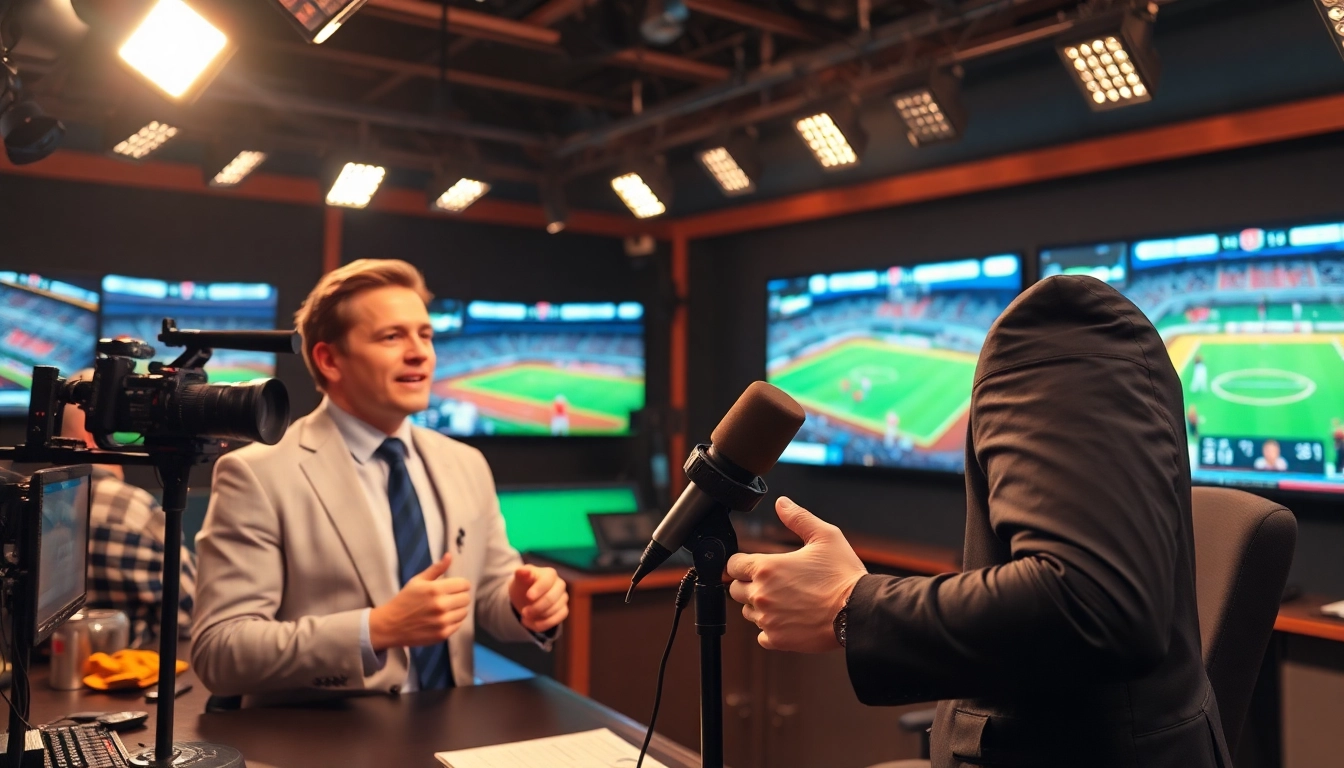
Introduction to Sports Broadcasting
Sports broadcasting has evolved into a crucial aspect of the media landscape, delivering live sports events to millions across various platforms. This dynamic field not only offers entertainment but also provides insights into sports journalism, production techniques, and audience engagement strategies. As Sports broadcasting continues to grow, understanding its foundational elements is vital for anyone looking to delve into this exciting industry.
What is Sports Broadcasting?
At its core, sports broadcasting refers to the live coverage of sporting events through television, radio, and digital platforms. This encompasses play-by-play commentary, analyses of player performances, and behind-the-scenes stories, engaging audiences in sports culture. The advent of digital media has also led to additional forms such as streaming and social media broadcasts, expanding the reach of sports content.
The Importance of Sports Broadcasting
Sports broadcasting plays a vital role in enhancing viewer engagement and fostering a communal sense among fans. It bridges the gap between the event and its audience, making every play, moment, and outcome accessible. Beyond mere entertainment, it generates significant economic benefits, influencing advertising revenues, sponsorship deals, and merchandise sales. Moreover, it promotes sports awareness and community involvement, allowing fans to support their local teams and athletes.
History of Sports Broadcasting
The roots of sports broadcasting trace back to the early 20th century, with radio being the first medium to broadcast live sporting events. The first live broadcast of a sporting event occurred in the 1920s, showcasing boxing matches. Television entered the scene shortly after, effectively transforming how audiences consumed sports. Major breakthroughs occurred in the 1950s and 1960s, with notable events like the NFL’s championship games receiving nationwide coverage. The evolution continued into the digital age, where the internet has resulted in revolutionary changes in how sports are viewed and consumed, such as through streaming services and social media platforms.
Key Components of Sports Broadcasting
Equipment Used in Sports Broadcasting
Technological advancements have drastically changed sports broadcasting equipment. Cameras are now high-definition and capable of capturing action at incredibly fast speeds. “Flycam” technology allows for stunning aerial views, enhancing the viewer experience. Additionally, sound equipment, graphics software, and editing tools are crucial for ensuring that broadcasts are engaging and informative. Furthermore, mobile broadcasting units have made it possible to cover events from almost any location, bringing fans closer to the action than ever before.
Roles in Sports Broadcasting
A range of professionals contribute to the sports broadcasting ecosystem. Key roles include:
- Commentators: They provide play-by-play commentary and analysis, offering insights into the game dynamics.
- Producers: Responsible for the overall execution, coordinating between different departments to ensure seamless broadcasts.
- Cameramen: Operate cameras to capture live actions from various angles.
- Editors: Post-production staff who compile highlights and features for replays and recaps.
- Technicians: Manage audio, video feeds, and the overall technology behind broadcasts.
Types of Sports Broadcasting
Sports broadcasting can take several forms, catering to diverse audience preferences:
- Live Event Coverage: The most popular form, allowing viewers to watch games as they happen.
- Sports News Shows: Programs that offer news updates, discussions, and analysis of various sports events.
- Documentaries and Features: Deep dives into sports personalities, history, and significant events in the sports world.
- Podcasting: An increasingly popular format for in-depth discussions and storytelling about sports.
Getting Started in Sports Broadcasting
Education and Training Options
To forge a successful career in sports broadcasting, aspiring professionals can benefit from formal education. Many colleges and universities offer degree programs focused on sports media, journalism, or communications. Coursework often covers vital skills like video production, journalism ethics, and multimedia storytelling, equipping students to enter the industry with both theoretical and practical knowledge. Internships and practical experiences can also significantly enhance a candidate’s profile when seeking employment.
Essential Skills for Success
Excelling in sports broadcasting requires a unique blend of skills, including:
- Communication: Clear and engaging verbal and written communication is essential for broadcasting.
- Technical Proficiency: Familiarity with editing software and broadcasting equipment is increasingly important.
- Research Skills: A sound understanding of the sports landscape, teams, and players aids in delivering valuable insights.
- Adaptability: The ability to handle unexpected situations during live broadcasts is crucial.
Creating a Demo Reel
A demo reel serves as a key marketing tool in the sports broadcasting industry. This compilation of highlights showcases an individual’s skills, including on-air talent, storytelling ability, and versatility. When creating a demo reel, it is essential to include diverse examples of work, such as commentary, interviews, or segments produced. The reel should be concise, typically lasting no more than five minutes, and of high quality to effectively attract potential employers.
Challenges in Sports Broadcasting
Staying Relevant with Technology Advancements
As technology continuously evolves, broadcasters face the challenge of keeping pace. New tools like Virtual Reality (VR) and Augmented Reality (AR) are beginning to play a significant role in enhancing viewer engagement. Integrating these technologies into broadcasts can require additional training and investment, which may be resource-intensive. Staying informed about trends and making strategic decisions regarding equipment upgrades is essential to maintain a competitive edge.
Handling Live Broadcasts
Live broadcasting presents unique challenges, including the unpredictability of sports events. Technical difficulties, unexpected incidents, or changes in game dynamics can happen in real-time, requiring broadcasters to be quick on their feet. Preparation through detailed run-throughs, teamwork, and establishing contingency plans can help mitigate these risks, allowing for a smoother broadcasting experience.
Dealing with Competitive Job Markets
The sports broadcasting field is highly competitive, with many aspiring professionals vying for limited openings. Building a professional network through internships and attending industry events can help create opportunities. Continuous skills development and gaining experience in smaller local broadcasts can also improve job prospects in larger markets. Understanding how to differentiate oneself through specialization in a niche area of sports can also be advantageous.
Future Trends in Sports Broadcasting
Impact of Streaming Services
The shift toward streaming services is shaping the future of sports broadcasting. More fans are consuming content online, leading traditional cable networks to adapt by creating their own streaming platforms or partnering with existing services. This transition offers broadcasters the opportunity to reach a global audience and experiment with innovative content delivery methods, such as interactive viewing experiences. Continual adaptation to changing viewer preferences will be crucial for success.
Emerging Technologies in Broadcasting
Technological advancements, including AI-driven analytics, machine learning, and enhanced graphics software, are setting new standards in sports broadcasting. These technologies aid in creating visually stunning presentations and providing demographic-driven analytics that enhance viewer engagement. Broadcasting organizations will likely invest further in these technologies to deliver higher-quality content and unique viewing experiences.
Sports Broadcasting and Audience Engagement
Engaging the audience in sports broadcasting goes beyond just coverage. Creating a two-way dialogue through social media, live Q&A sessions, or fan participation features can enrich the experience. Personalized content and tailored advertising strategies will resonate more with viewers, fostering loyalty and community. Understanding and leveraging audience analytics can help broadcasters develop strategies to enhance engagement significantly.
Frequently Asked Questions
What major is best for sports broadcasting?
The best majors include sports journalism, communications, or media studies to equip you with essential skills and knowledge in the field.
How much do sports broadcasters make?
As of recent estimates, the average salary for sports broadcasters is approximately $58,242 per year, varying by experience and market.
Is a demo reel necessary for a career in sports broadcasting?
Yes, a demo reel is essential. It’s a marketing tool that showcases your skills and experience to potential employers in the industry.
What types of programs do sports broadcasters cover?
Sports broadcasters can cover live events, create sports news shows, documentaries, interviews, and podcasts about various sports topics.
Are internships important for a career in sports broadcasting?
Internships are crucial as they provide hands-on experience, networking opportunities, and enhance your resume, helping you stand out in a competitive job market.