Elegant Designs for a Cape Cod Home: Expanding with Style and Function
Understanding the Cape Cod Home Aesthetic
What is a Cape Cod Home?
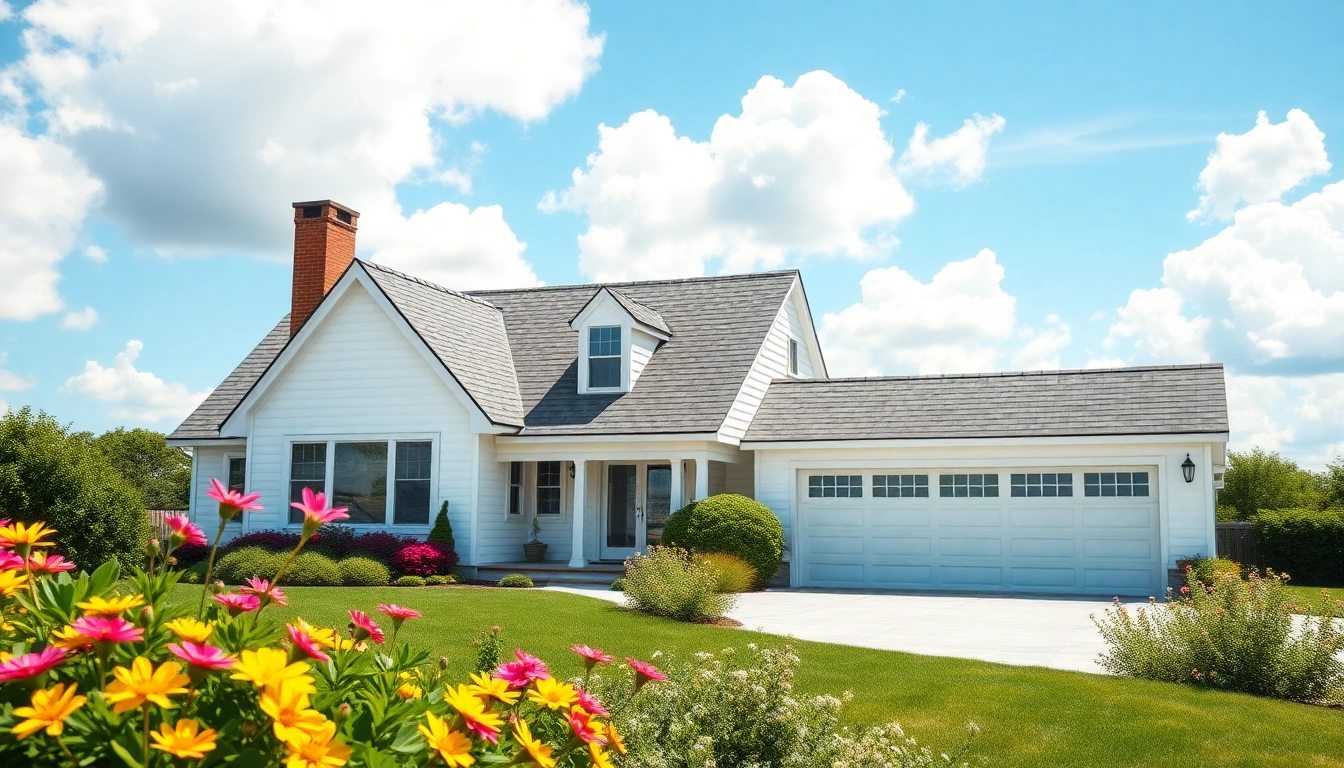
The cape cod home is an architectural style that emerged in the 17th century, originally designed in New England to withstand the harsh climate. Characterized by a simple one or one-and-a-half-story structure, steeply pitched roofs, and dormer windows, this style emphasizes functionality. These homes are known for their compact layouts, which maximize living space while minimizing the overall footprint.
Key Architectural Features
When you think of a traditional Cape Cod home, several distinct features come to mind:
- Symmetrical Facade: The front of the home typically features a centered door flanked by equally spaced windows, creating balance and charm.
- Steep Roof Pitch: This design helps to shed snow and rain, enhancing durability and protection from the elements.
- Dormer Windows: Commonly placed on the upper floors, they add natural light and extra headroom, making attics usable space.
- Clapboard Siding: Traditionally constructed with wood siding painted in muted tones, these homes often echo earthy colors found in nature.
Popular Cape Cod Home Styles
Over the years, the Cape Cod home style has morphed into various interpretations, each adding a unique touch to the traditional model. Some popular styles include:
- Classic Cape Cod: Features a symmetrical design with a central chimney and gabled roof.
- Modern Cape Cod: Integrates contemporary elements such as open floor plans and large windows while maintaining the original charm.
- Coastal Cape Cod: Emphasizes outdoor living with large decks and plenty of natural light; often features materials suited for coastal conditions.
- Rustic Cape Cod: Utilizes reclaimed wood and other natural materials, giving it a cabin-like feel while still maintaining structural integrity.
Planning Your Home Expansion
Assessing Your Needs for Space
Before embarking on an expansion project, it’s crucial to evaluate your needs. Consider your family dynamics and how your lifestyle may change over time. Ask yourself questions like:
- Are you welcoming new family members?
- Do you need a dedicated office space?
- Are your current rooms serving their intended purpose?
Taking stock of your current space and predicting future needs can guide you toward appropriate solutions.
Available Layout Options
When expanding your Cape Cod home, various layout options can enhance your living environment:
- Side Extension: This common option adds square footage while enhancing the home’s aesthetic appeal.
- Rear Extension: Ideal for families who enjoy outdoor activities, adding space that connects to patios or gardens.
- Second Story Addition: Adding height can vastly increase your living space; however, it requires careful consideration of the original design.
- Garage Addition: Integrating a garage can enhance curb appeal while adding functionality.
Integrating an Attached Garage
Adding an attached garage not only improves functionality but also can enhance the resale value of your home. Consider these points:
- Design Cohesion: Ensure that the garage’s architecture complements the home’s aesthetic to maintain visual consistency.
- Accessibility: It’s crucial to have an easy entry point between the garage and the home; consider adding an interior door.
- Storage Solutions: Utilize the garage space effectively with shelving or overhead storage to keep it organized.
Benefits of Expanding Your Cape Cod Home
Enhancing Functionality
One significant advantage of expanding your Cape Cod home is improved functionality. More space allows for:
- Designated Areas: Create specific areas for work, play, and relaxation tailored to your family’s lifestyle.
- Better Traffic Flow: A well-planned layout can enhance movement and reduce congestion in common areas.
Boosting Property Value
Home expansions typically reflect positively on property value. A well-executed project with an attached garage or new living space can:
- Increase Resale Price: Expanding size often correlates with higher market value.
- Broaden Buyer Appeal: Families and potential buyers often favor homes with ample living space and modern amenities.
Improving Aesthetics
Along with functional advantages, expanding your Cape Cod home can beautify your property. Consider:
- Enhanced Curb Appeal: A well-designed addition enhances the overall charm of your home.
- Personal Style Expression: An expansion allows you to incorporate modern trends or personal tastes, making the space more inviting.
Design Trends for Cape Cod Home Expansions
Incorporating Natural Light
Natural light is a vital component of any home expansion. Consider features that maximize sunlight:
- Large Windows: Floor-to-ceiling windows can brighten your space and connect you with nature.
- Skylights: A practical and stylish addition, they provide sunshine to rooms that lack exterior walls.
Modern Versus Classic Styles
When expanding a cape cod home, you have the option to blend modern design with classic elements. Here are some considerations:
- Open Floor Plans: While traditional homes often feature segmented spaces, modern designs often favor open layouts.
- Smart Home Integration: Incorporating technology for energy efficiency and convenience is a growing trend.
Sustainable Building Practices
Today’s homeowners are increasingly prioritizing sustainability. Here’s how you can make eco-friendly choices during your expansion:
- Energy-Efficient Materials: Use insulation and windows that reduce energy loss.
- Renewable Energy: Consider solar panels or geothermal heating systems during your construction phase.
FAQs About Cape Cod Home Expansions
How much does it cost to expand a cape cod home?
The cost can vary widely based on size and materials. Typically, it ranges between $100 to $200 per square foot depending on complexity.
What permits are required for an expansion?
Most expansions require a building permit, zoning approval, and may need inspections. Requirements vary by location, so check local regulations.
Can I expand my cape cod home without hurting its value?
Yes, enhancing design consistency and optimizing functionality often increases value. Careful planning is key to a successful expansion.
What are the best materials for a cape cod home?
Wood siding, natural stone, and asphalt shingles are ideal for maintaining the classic look while ensuring durability and low maintenance.
How long does the expansion process usually take?
Typically, an expansion can take 3 to 6 months, depending on the project’s scope and weather conditions. Early planning may expedite timelines.