
Top Features and Buying Guide for Hard Case Selection
Understanding the Essentials of Hard Case
Definition and Key Characteristics
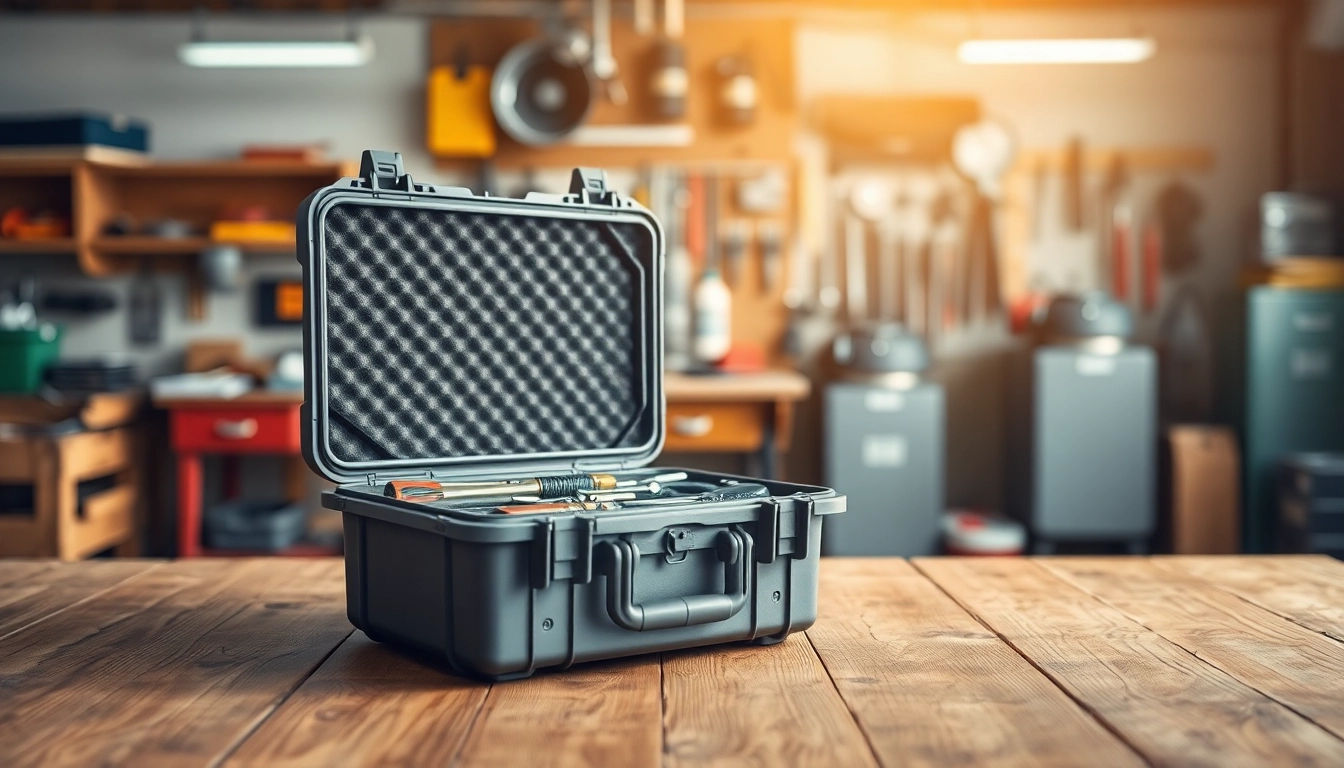
A hard case refers to a protective enclosure designed to safeguard various items including electronics, equipment, tools, and more. These cases are typically made from rigid materials and are engineered to provide maximum protection against physical damage, environmental conditions, and other hazards. Key characteristics of hard cases include robust construction, secure latching mechanisms, and the potential for customizable foam inserts to fit the contents securely.
Types of Hard Cases Available
Hard cases come in various styles, each tailored to specific needs. Below are some common types:
- Protective Equipment Cases: Often used for sensitive instruments and tools, these cases provide extra padding and compartments.
- Camera Cases: Designed to hold camera bodies and lenses with custom foam to minimize movement and impact.
- Tool Cases: Heavy-duty cases that organize and safeguard tools from moisture, dust, and other damaging elements.
- Travel Cases: Suitcases designed for transporting personal effects, optimized for durability and ease of transport.
- Custom Cases: Cases tailored to specific items, often including foams and compartments that meet individual specifications.
Choosing the Right Size and Style
When selecting a hard case, one must consider the dimensions and the type of items requiring protection. A precise fit helps ensure that items do not shift during travel, which minimizes the risk of damage. It’s essential to assess the intended use, whether for travel, storage, or performance in harsh environments, as this will heavily influence the size and style selection. For instance, outdoor adventures may demand a waterproof case, while studio work may benefit from a compact, lightweight design.
The Importance of Durability in Hard Cases
Materials Used in Construction
Durability in hard cases is primarily determined by the materials used in their construction. High-density polyethylene (HDPE), polypropylene, and aluminum are popular choices due to their lightweight yet sturdy characteristics. These materials are resistant to impact, ensuring that the contents are protected even in extreme situations. Key factors include UV resistance for outdoor storage and crush resistance for heavy-duty applications.
Waterproof and Crush-Resistant Features
A true hard case will often integrate waterproof seals and crush-resistant designs. Waterproofing is usually achieved with rubber gaskets that create a tight seal, preventing moisture ingress. Crush resistance refers to the ability of the case to withstand heavy weights without deforming or breaking. Cases may undergo rigorous testing to meet industry standards, ensuring their reliability in high-stakes environments.
Why Durability Matters for Protection
Durability is non-negotiable when it comes to protecting valuable items. A hard case that cannot withstand environmental stressors is not fulfilling its purpose. For professionals transporting sensitive equipment, a durable case can mean the difference between operational success and costly damage. It assures them that their investment is safe, reducing the risk of equipment failure, data loss, or injury resulting from broken tools and instruments.
Applications and Uses for Hard Cases
Travel and Outdoor Activities
Hard cases are ideal for travel and outdoor enthusiasts. They protect gear from shocks during transport, keep equipment dry from rain or moisture, and defend against dust and dirt while hiking or camping. Waterproof cases are particularly favored for water sports or adventurous activities where equipment may come in contact with water.
Professional Use in Various Industries
Many industries rely on hard cases for transporting essential tools and equipment safely. Professionals in fields such as photography, medical equipment, and military operations utilize hard cases to ensure that their valuable instruments are protected from risks associated with frequent travel. The customizable aspects of hard cases allow specific configurations depending on the tool or equipment being housed.
Collectible and Hobbyist Protection
For collectors and hobbyists, hard cases are indispensable for storing valuable items like coins, collectibles, or gaming equipment. These cases provide the necessary environment to maintain their condition, shielding them from harmful elements while also adding an organized aesthetic. Custom storage solutions allow hobbyists to display and protect their collections simultaneously.
Tips for Selecting the Best Hard Case
Evaluating Your Needs and Priorities
Before selecting a hard case, it’s crucial to evaluate what you need to store and transport. Make a list of items and prioritize their size, weight, and fragility. This foundation will enable you to filter your options effectively. Are you planning to travel frequently, or will the case mainly be for storage? Understanding these factors will help you make a more informed decision.
Comparison of Features and Benefits
Once you have narrowed down your options based on needs, comparing the features of various hard case models is next. Look for insulation types, sealing mechanisms, and the reputation of materials. Some cases come with built-in wheels for easier transport, while others may focus more on customizable storage solutions. Assessing the benefits of these features can identify the best case for your requirements.
Price Considerations and Value for Money
The price of hard cases can range significantly based on size, material, and added features. Setting a budget can help streamline your options. Nevertheless, it’s essential to weigh the cost against the durability and functionality. Investing in a higher quality hard case may save future costs associated with replacement or damage to equipment due to inadequate protection.
Maintenance and Care of Hard Cases
Cleaning and Upkeep Best Practices
To ensure a long lifespan for your hard case, regular cleaning is crucial. Use a mild soap solution and a soft cloth to remove dirt and grime. Avoid harsh chemicals that could damage the materials. For waterproof cases, ensure that seals are kept clean and intact to maintain their effectiveness against moisture.
Regular Inspection for Longevity
Regularly inspecting the integrity of your hard case is essential. Look for signs of wear, such as cracks or damaged latches. Addressing these issues early can prevent them from worsening, ensuring that your equipment remains protected. If your case has any custom foam inserts, check for any signs of breakdown as well.
Upgrading and Customizing Your Hard Case
Sometimes, the existing features of a hard case may not meet evolving needs, especially for professionals. Many manufacturers offer upgrades or customizable features, such as additional compartments or specific foam inserts designed for newer equipment. Consider these options when maintaining your case for optimal functionality.
FAQs About Hard Cases
1. What is a hard case used for?
A hard case is used to protect various items, including electronics, tools, and delicate equipment, from physical damage and environmental hazards.
2. Are hard cases waterproof?
Many hard cases feature waterproof designs, typically sealed with rubber gaskets to keep moisture out, ensuring your gear stays protected in wet conditions.
3. How do I choose the right size hard case?
To choose the right size, consider the items you need to store or transport, ensuring they fit snugly without excessive movement, which could cause damage.
4. Can I customize a hard case?
Yes, many hard cases offer customizable options, including foam inserts that can be tailored to fit specific equipment securely, enhancing protection.
5. How should I clean my hard case?
Clean your hard case with a mild soap solution and a soft cloth. Avoid harsh chemicals and ensure seals are unblocked to maintain waterproof integrity.