
Key Benefits and Features of Metal Roofing for Your Home
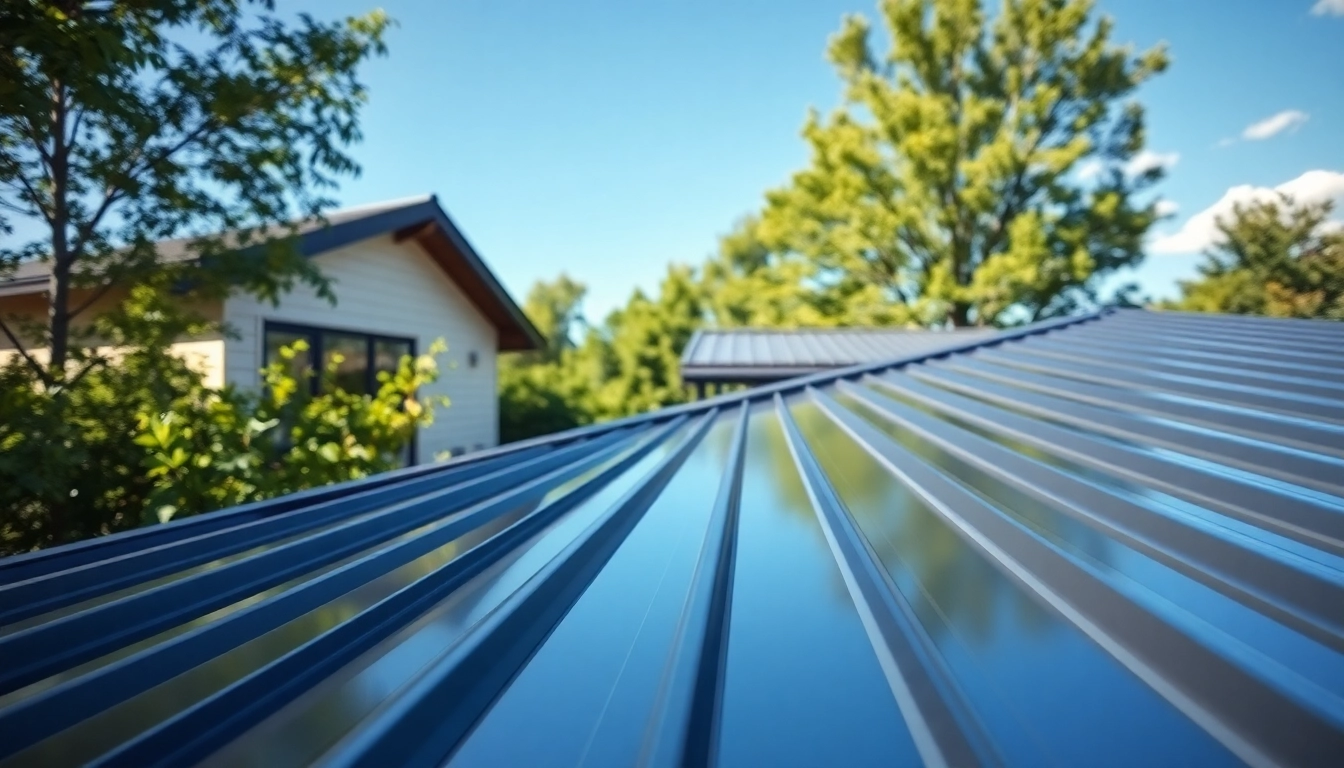
Introduction to Metal Roofing
When it comes to building or renovating a home, one of the most critical decisions homeowners face is the selection of roofing material. Among the various options available, metal roofing stands out for its distinctive advantages and growing popularity. This guide will delve deep into the world of metal roofing, exploring everything from types of materials to cost considerations and installation processes.
What is Metal Roofing?
Metal roofing refers to roofing systems made from metal pieces or tiles, known for their durability and corrosion resistance. These roofs can come in various forms, including sheets and tiles, often constructed from materials such as steel, aluminum, copper, and zinc. Metal roofs are typically coated with protective finishes to enhance their longevity and weather resistance, making them a top choice in diverse climates.
Types of Metal Roofing Materials
There are several types of metal roofing materials, each with unique properties and benefits:
- Steel: Galvanized or galvalume steel is common due to its strength and cost-effectiveness. It is often coated to resist rust and corrosion.
- Aluminum: Known for its lightweight and excellent corrosion resistance, aluminum roofing is perfect for coastal areas.
- Copper: This premium option is renowned for its aesthetic appeal and long lifespan, often developing a characteristic patina.
- Zinc: Highly durable and environmentally friendly, zinc can last over 100 years with minimal maintenance.
Advantages of Metal Roofing
Metal roofing offers several advantages over traditional roofing materials:
- Durability: Metal roofs can withstand harsh weather conditions, including heavy rain, wind, and extreme temperatures.
- Longevity: With a lifespan ranging from 40 to 70 years, metal roofs outlast many alternatives, including asphalt shingles.
- Energy Efficiency: Metal roofing reflects solar heat, which can reduce cooling costs, particularly in warm climates.
- Recyclability: As an environmentally friendly material, metal roofs can be recycled at the end of their life cycle.
Durability and Longevity of Metal Roofing
Weather Resistance and Performance
One of the standout features of metal roofing is its exceptional weather resistance. Unlike traditional roofing materials that can crack or fade, metal roofs are designed to withstand the elements. They are fire-resistant, impervious to rot, and can shed snow and rain efficiently, preventing moisture buildup that can lead to leaks and structural damage.
Expected Lifespan of Metal Roofing
The expected lifespan of metal roofing can exceed 40 years, depending on the material used and maintenance practices. For example, galvanized steel roofs typically last between 40 to 70 years, while copper roofs can endure over 100 years with proper care. Investing in a quality metal roof means investing in long-term protection for your home.
Maintenance Tips for Longevity
While metal roofs require less maintenance than many alternatives, taking care of them can significantly extend their lifespan:
- Regular Inspections: Check for loose seams, rust, and signs of wear annually.
- Cleaning: Remove debris, leaves, and dirt to prevent moisture buildup and corrosion.
- Coating: Apply protective coatings every few years to enhance corrosion resistance and aesthetic appeal.
Cost Analysis of Metal Roofing
Initial Costs vs. Long-Term Savings
Metal roofing often comes with a higher initial cost than traditional materials like asphalt shingles, which can range from $4 to $30 per square foot, depending on the type of metal and installation specifics. However, these upfront costs are offset by long-term savings through durability and reduced maintenance expenses. A well-installed metal roof can provide savings on energy bills and avoid costly repairs associated with less durable materials over time.
Factors Affecting Metal Roofing Prices
Several factors influence the pricing of metal roofing, including:
- Material Type: The cost of different metals varies significantly; for example, copper is typically more expensive than steel.
- Roof Design: More complex roofing designs may require additional labor and materials, increasing costs.
- Geographical Location: Local market conditions and availability of materials can affect overall prices.
Comparing Costs with Other Roofing Types
When comparing metal roofing to other materials, it’s essential to consider not just the upfront costs but also long-term benefits. For instance, while asphalt shingles might have a lower initial cost, their lifespan is considerably shorter, leading to more frequent replacements. Additionally, metal roofs increase property value, making them a wise investment for homeowners.
Energy Efficiency and Sustainability
How Metal Roofing Regulates Temperature
Metal roofing is known for its energy-efficient properties, utilizing reflective surfaces that can significantly lower heat absorption. This characteristic helps in maintaining comfortable indoor temperatures, ultimately translating into lower energy costs. Homeowners can benefit from significantly reduced cooling expenses, especially in warmer climates.
Recyclability of Metal Roofing Materials
One of the most compelling environmental benefits of metal roofing is its recyclability. Metal roofing can be recycled multiple times without losing its inherent properties. This characteristic not only reduces waste in landfills but also conserves resources, making metal a sustainable choice for environmentally-conscious homeowners.
Energy-Efficient Coatings for Metal Roofing
Many metal roofs come with energy-efficient coatings that enhance their reflective properties. These coatings can further reduce energy consumption by minimizing heat buildup in the home. Choosing such coatings also ensures that the roof maintains its aesthetic appeal while contributing to reduced energy costs.
Installation Process for Metal Roofing
Choosing the Right Contractor
Selecting a qualified contractor for metal roofing installation is critical to ensuring a successful project. Look for professionals with specific experience in metal roofing systems, positive reviews, and appropriate licensing and insurance. A knowledgeable contractor will understand the nuances of metal materials and installation techniques, providing a solid foundation for your roofing project.
Steps Involved in Installation
The installation process of metal roofing generally includes the following steps:
- Preparation: Ensuring the roof deck is clean and adequate for installation.
- Underlayment: Laying down a protective underlayment to enhance waterproofing.
- Panel Installation: Securing metal panels following the manufacturer’s guidelines and ensuring proper alignment.
- Finishing Touches: Sealing edges and adding necessary flashings to protect against leaks.
Post-Installation Considerations
After the installation process, it’s essential to conduct a thorough inspection to ensure that all panels and flashings are secure. Homeowners should ask for a warranty from their contractor, which offers added protection against future issues. Developing a maintenance plan can help sustain the roof’s performance for years to come.
FAQs about Metal Roofing
1. Is metal roofing more expensive than shingles?
Yes, metal roofing typically costs more per square foot than shingles, commonly ranging from $4 to $30 depending on the type of metal.
2. How long does metal roofing last?
Metal roofs can last between 40 to 70 years, with some types like copper lasting up to 100 years with proper maintenance.
3. Is metal roofing energy-efficient?
Yes, metal roofing reflects solar heat, which can significantly reduce energy costs for cooling in warmer climates.
4. Can metal roofs be installed over existing roofs?
Yes, many metal roofing systems can be installed over existing roofs, simplifying the installation process and reducing disposal costs.
5. Do metal roofs rust or corrode?
Modern metal roofs are specially coated to resist rust and corrosion, making them highly durable against various weather conditions.


