Cinematic Video Production Techniques That Captivate Audiences

Understanding Cinematic Video Production
Definition and Key Elements of Cinematic Video Production
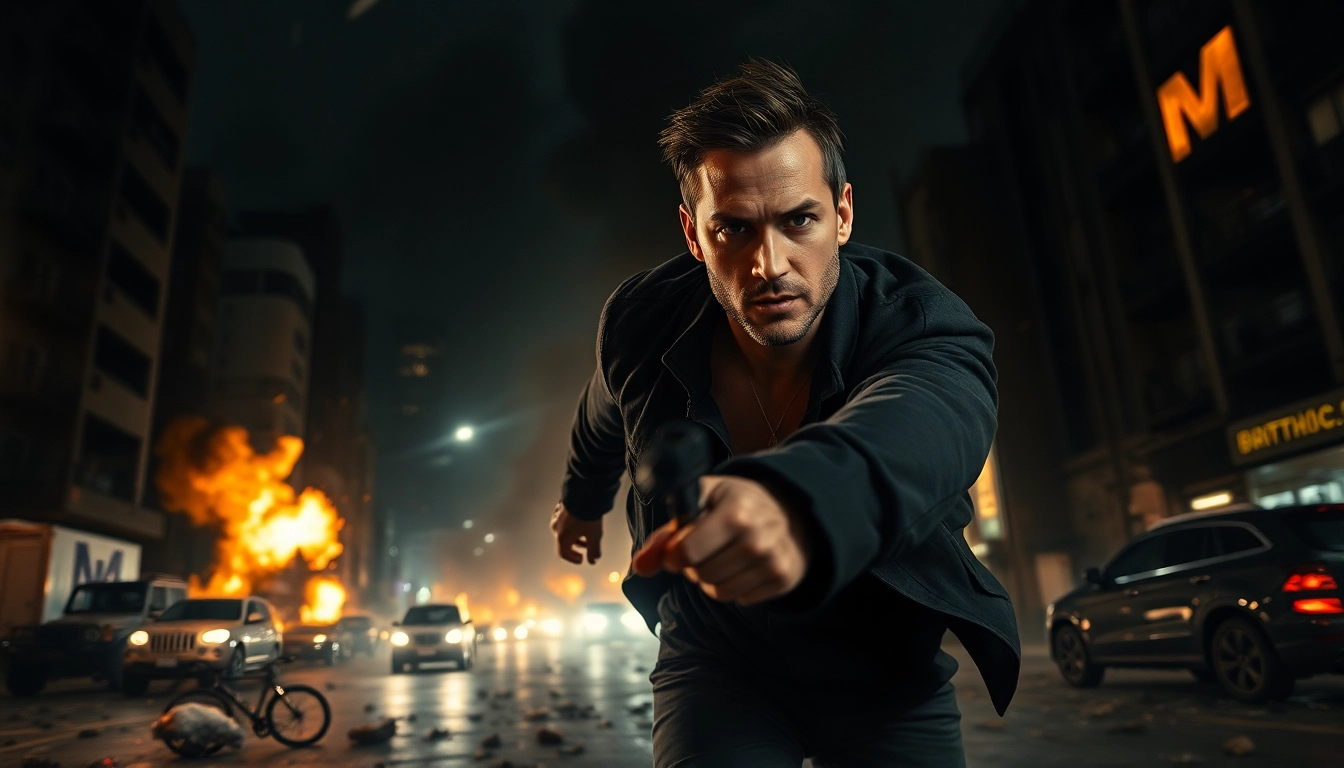
Cinematic video production is a creative and technical process that encompasses the art of visual storytelling through video. It combines various elements such as lighting, audio, camera angles, and editing to create engaging narratives that evoke emotions and captivate audiences. The primary goal is to transport viewers into the story’s world, allowing them to connect with characters and themes on a deeper level.
The key elements of cinematic video production include:
- Storytelling: The backbone of any cinematic piece, where compelling narratives guide the viewer’s experience.
- Visual Composition: The framing, angles, and aesthetics of each shot contribute significantly to the overall impact.
- Sound Design: This encompasses both background music and sound effects, which help to create atmosphere and depth.
- Editing: The process that stitches together raw footage into a coherent and engaging narrative.
When these elements are harmoniously integrated, they create what is known as a Cinematic video production that resonates strongly with audiences.
The Importance of Storytelling in Cinematic Video Production
Storytelling is the essence of cinematic video production. It forms the narrative thread that connects various scenes and engages the audience emotionally. A strong story evokes feelings, resonates with viewers’ experiences, and provides relatability, which is crucial for a memorable viewing experience.
Elements of effective storytelling include conflict and resolution, character development, and pacing. Understanding the audience’s expectations and crafting a narrative that honors these elements can enhance engagement and retention significantly. Diverse storytelling techniques, such as non-linear narratives or flashbacks, can also be employed to intrigue viewers and provide a more enriching experience.
Common Mistakes in Cinematic Video Production
In the high-stakes environment of cinematic video production, several common pitfalls can undermine the quality of a project:
- Lack of Planning: Failing to have a detailed production plan can lead to disorganized shoots. Proper pre-production planning is essential for smooth execution.
- Poor Audio Quality: Often overlooked, audio quality can make or break a video. Investing in quality audio equipment and sound design is vital.
- Ignoring Lighting: Natural light can be unpredictable. A solid understanding of lighting techniques is crucial for maintaining consistency.
- Overcomplicating Shots: Trying to use complex shots can result in confusion and distract from the story. Simplicity can often enhance clarity.
- Neglecting Post-Production: Editing is as important as filming. Underestimating this step can mean missed opportunities for storytelling enhancements.
The Role of Equipment in Cinematic Video Production
Cameras and Lenses for Cinematic Video Production
The choice of camera and lens plays a vital role in the overall quality of cinematic video production. High-quality cameras, such as DSLRs and mirrorless systems, offer the flexibility of interchangeable lenses, which can greatly enhance visual storytelling. Key factors to consider include:
- Sensor Size: Larger sensors typically deliver better performance in low light and create a more cinematic depth of field.
- Frame Rate: Different frame rates provide diverse aesthetic qualities. For example, 24 fps is the standard for cinematic feel, while higher rates can aid in slow motion.
- Lenses: Using prime lenses with wide apertures can help achieve beautiful bokeh backgrounds, enhancing the visual narrative.
Lighting Techniques for Effective Cinematic Video Production
Lighting is one of the most essential aspects of cinematic video production. Good lighting can set the mood, highlight important elements, and guide the viewer’s attention. Techniques include:
- Three-Point Lighting: This classic method utilizes key, fill, and backlights to create depth and dimension.
- Natural Light: Depending on the scene, leveraging natural light can create an organic feel. Understanding the sun’s position is crucial for outdoor shoots.
- Colored Gels: Adding colored gels to lighting sources can provide artistic flair and evoke specific emotions.
Audio Equipment Essentials in Cinematic Video Production
High-quality audio is crucial for cinematic video production. It often goes unnoticed but is fundamental in immersing viewers in the experience. Essential audio equipment includes:
- Directional Microphones: These capture sound from specific directions, improving dialogue clarity and reducing background noise.
- Lapels and Handheld Mics: For interviews or on-location shoots, these offer versatility and reliability.
- Audio Recorders: Separate audio recorders can capture higher-quality sound than most camera onboard options.
Cinematic Video Production Techniques and Styles
Different Cinematic Techniques to Enhance Video Quality
Utilizing various cinematic techniques can significantly enhance video quality and storytelling. Some noteworthy techniques include:
- Establishing Shots: These shots set the scene and provide context, helping viewers understand relationships between locations and characters.
- Montage: This skillful editing technique juxtaposes various scenes to convey transitions, emotions, or the passage of time effectively.
- Slow Motion and Timelapse: Utilizing these techniques can emphasize dramatic moments or show changes over time, respectively.
Editing Styles that Suit Various Cinematic Video Production Needs
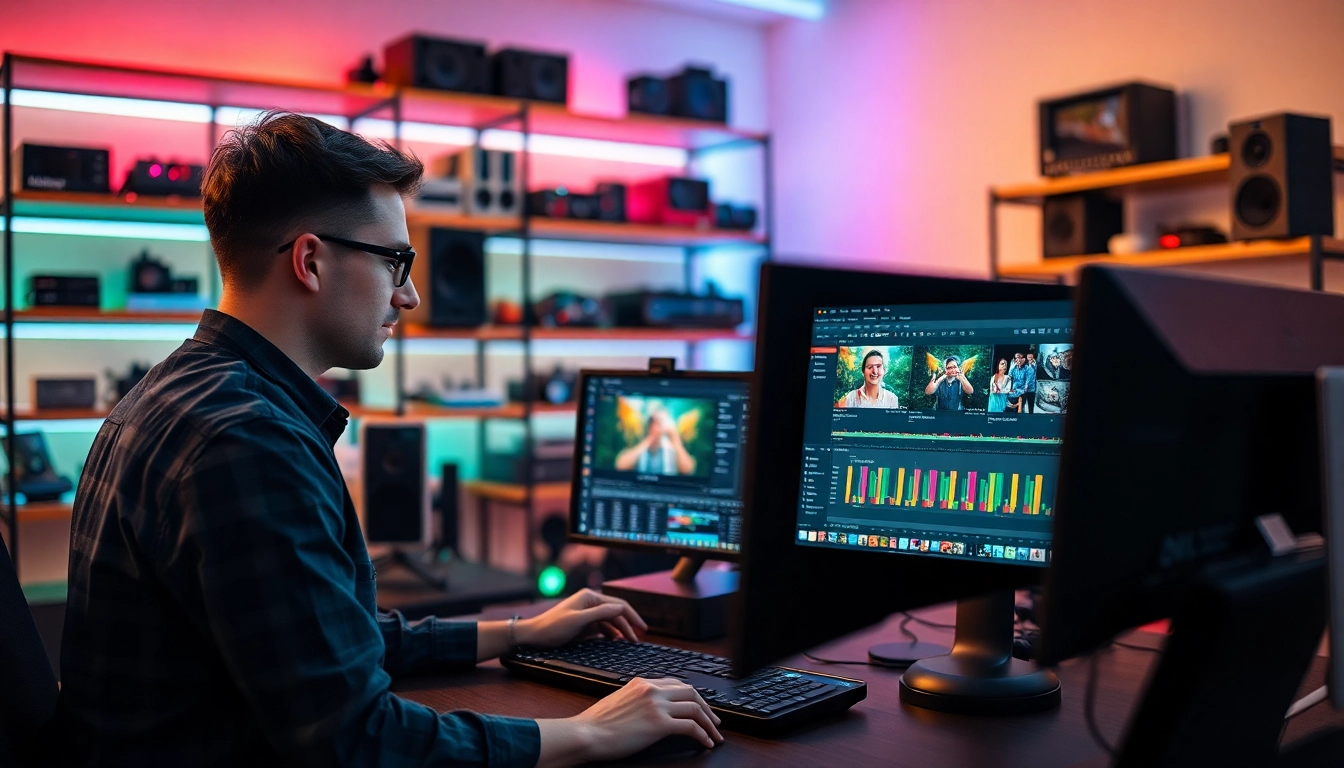
The editing phase is where the magic happens; it’s where the filmmaker defines pacing, rhythm, and narrative flow. Popular editing styles include:
- Classic Cutting: Straight cuts that maintain a continuous flow, ideal for traditional storytelling.
- Cross-Cutting: This technique juxtaposes scenes occurring simultaneously to heighten tension or highlight contrasts.
- Jump Cuts: These abrupt transitions can create a dynamic rhythm and effectively convey a sense of urgency.
Color Grading Techniques for Cinematic Video Production
Color grading is essential for achieving the desired mood and atmosphere in cinematic video production. Techniques involved in color grading include:
- Color Correction: Adjusting colors to ensure uniformity and accuracy in skin tones, landscapes, and other visuals.
- Look-up Tables (LUTs): Utilizing LUTs can simplify the grading process and achieve specific atmospheres quickly.
- Split Toning: This technique allows for creative adjustments by manipulating shadows and highlights separately, leading to visually interesting results.
Creating Engaging Content Through Cinematic Video Production
Audience Engagement Strategies in Cinematic Video Production
Creating engaging content is pivotal in ensuring an audience connects with your cinematic video production. Strategies for enhancing engagement involve:
- Interactive Elements: Incorporating viewer choices or interactive timelines fosters deeper connections.
- Emotional Resonance: Crafting narratives that evoke empathy or nostalgia can captivate audiences.
- Targeted Messaging: Understanding your audience demographics can help tailor content that resonates specifically with them.
The Impact of Visual Narratives in Cinematic Video Production
Visual narratives use imagery to tell stories without reliance on dialogue. Effective visual narratives can communicate themes and emotions succinctly. Techniques for strong visual narratives include:
- Symbolism: Using imagery to convey deeper meanings that resonate with the audience.
- Visual Motifs: Repeating certain visuals can reinforce themes and make narratives more cohesive.
- Body Language: Non-verbal cues from characters can add layers of depth and emotion to a scene.
How to Optimize Your Cinematic Video Production for Social Media
In the digital age, optimizing cinematic video production for social media is essential to reach broader audiences. Strategies include:
- Shorter Formats: Attention spans are shorter on social media; crafting bite-sized, impactful videos can enhance shareability.
- Platform-Specific Adaptations: Tailoring content for each platform (e.g., aspect ratios, lengths, and formats) can maximize reach.
- Engaging Thumbnails: A compelling thumbnail grabs attention and encourages clicks, vital in crowded social feeds.
Measuring Success in Cinematic Video Production
Key Performance Indicators for Cinematic Video Production
Measuring the effectiveness of cinematic video production involves evaluating various performance indicators, including:
- View Count: An important metric indicating the reach of the video among audiences.
- Engagement Rate: Interactions such as likes, shares, comments, and watch time highlight the impact of the content.
- Conversion Rate: This metric indicates how many viewers took desired actions after watching, like signing up or making a purchase.
Gathering Feedback and Evaluating Audience Response
Audience feedback is invaluable in improving future cinematic projects. Techniques for gathering feedback include:
- Surveys and Polls: Soliciting direct feedback can provide insights into audience perceptions and preferences.
- Social Media Analytics: Reviewing comments and engagement metrics can help understand audience reactions.
- Focus Groups: Conducting sessions with select viewers can provide in-depth qualitative insights.
Adjusting Strategies Based on Data in Cinematic Video Production
Utilizing gathered data to refine future cinematic video production efforts is crucial. Steps to adapt strategies include:
- Data Analysis: Regularly reviewing performance metrics helps identify what works and what doesn’t.
- Audience Retargeting: Understanding viewer behavior allows for creating tailored content that resonates more deeply.
- Content Experimentation: Testing various styles, formats, and narratives can lead to innovations that enhance engagement.
FAQs about Cinematic Video Production
What defines cinematic video production?
Cinematic video production is characterized by storytelling, visual aesthetics, high-quality audio, and professional editing techniques that engage viewers emotionally.
How important is storytelling in cinematic video production?
Storytelling is crucial as it connects scenes, engages audiences, and evokes emotions that enhance the overall experience.
What are the common mistakes in cinematic video production?
Common mistakes include poor audio quality, lack of planning, ignoring lighting, and neglecting post-production, which can undermine the final product.
What equipment is essential for cinematic video production?
Key equipment comprises high-quality cameras, lenses, sound gear, and lighting, all of which contribute to the overall production quality.
How can social media optimize cinematic video content?
Optimizing for social media includes creating shorter formats, tailoring content for specific platforms, and designing engaging thumbnails to attract viewers.