
Understanding Industrial Leasing
In the realm of commercial real estate, industrial leasing holds significant importance, serving as a cornerstone for businesses that require specialized spaces for operations. This comprehensive guide aims to dissect the nuances of industrial leasing so that stakeholders, from entrepreneurs to investors, can effectively navigate this dynamic landscape.
What is Industrial Leasing?
Industrial leasing refers to the rental of industrial properties for manufacturing, warehousing, distribution, or research and development purposes. Unlike traditional leases, industrial leasing agreements are often more complex, catering to the unique needs of businesses. These leases can vary in duration and terms, depending on the specific requirements of the lessee.
Types of Industrial Properties
Industrial properties can be broadly categorized into several types, each suited to different business operations:
- Manufacturing Facilities: These spaces are equipped for the production of goods and may include specialized machinery and infrastructure.
- Warehouses: Primarily used for storage, warehouses are essential for businesses that need to hold inventory before distribution.
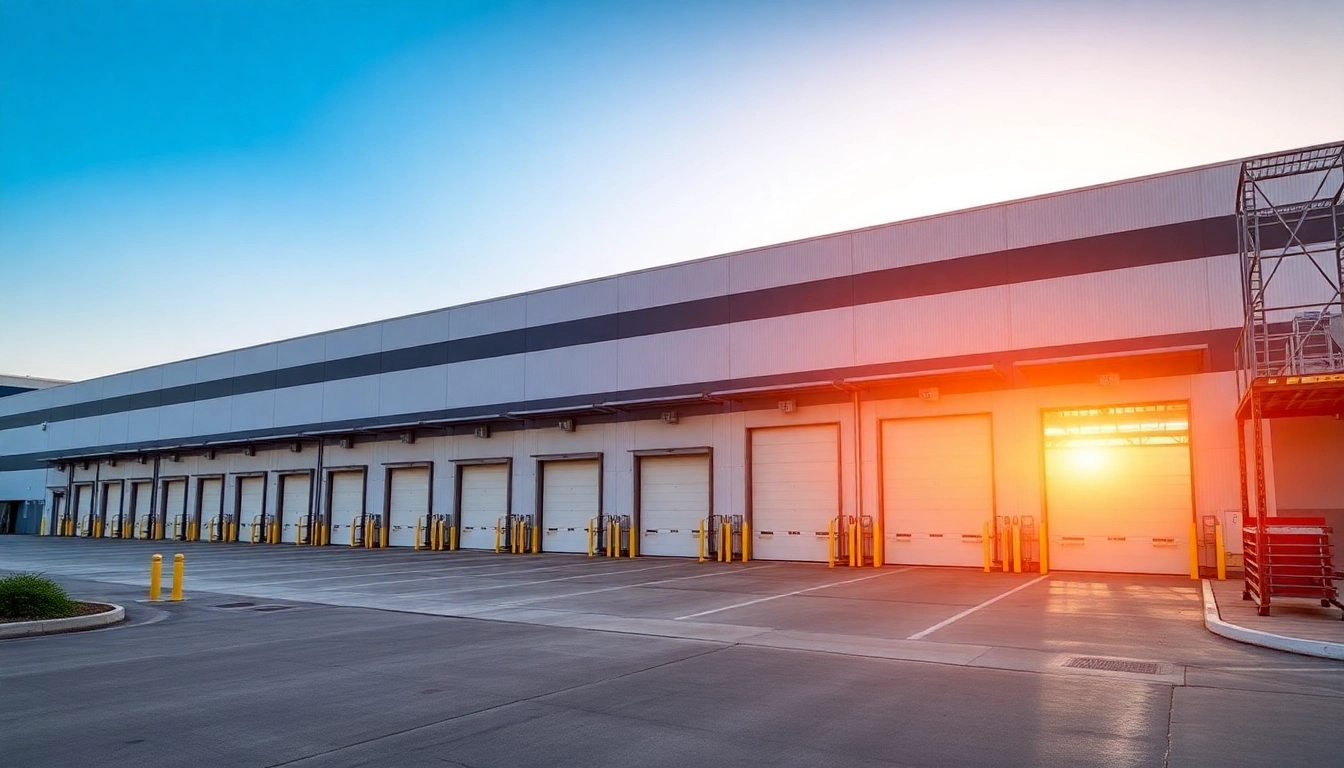
- Distribution Centers: Designed for efficient product movement, these centers typically offer loading docks and proximity to transport hubs.
- Flex Spaces: A combination of office and industrial space, flex spaces can adapt to various business needs.
- Research and Development Facilities: Spaces designed for technological innovation often include laboratories or clean rooms.
Benefits of Industrial Leasing
Engaging in industrial leasing can provide numerous advantages to businesses, including:
- Lower Upfront Costs: Leasing minimizes the initial capital required as companies do not have to purchase property.
- Flexibility: Businesses can adjust their space requirements as they grow or change their operational needs.
- Access to Prime Locations: Leasing often allows companies to occupy locations that might be financially unfeasible to purchase.
- Reduced Maintenance Responsibilities: Many leases make the landlord responsible for maintenance costs, relieving the lessee from unexpected expenses.
Navigating the Industrial Leasing Market
Current Trends in Industrial Leasing
The industrial leasing market is constantly evolving, driven by changes in consumer behavior, technological advancements, and the global economy. For instance, the e-commerce boom has led to increased demand for logistics and warehousing space, pushing rental rates up in prime locations. Additionally, automation in warehousing continues to reshape space planning, influencing design considerations in new leases.
Key Factors Influencing Lease Rates
When it comes to lease rates, several elements come into play:
- Location: Prime locations, especially near transportation hubs, command higher rents due to accessibility.
- Property Features: Facilities equipped with modern technology or specialized infrastructure can attract premium pricing.
- Market Demand: In markets where demand outpaces supply, lease rates typically increase.
- Economic Conditions: Broader economic factors, including employment rates and inflation, also significantly affect pricing.
Finding the Right Location for Industrial Leasing
Choosing the right location is critical for businesses engaged in industrial leasing. Here are some factors to consider:
- Proximity to Transportation: Access to highways, airports, and rail lines can significantly impact operational efficiency.
- Workforce Availability: Ensure that the location has a skilled workforce or is accessible to employees.
- Local Regulations: Understand zoning laws and regulations that might affect the planned use of the property.
- Competitor Presence: Being near other industry players can foster collaboration and partnerships.
Strategies for Successful Industrial Leasing
Negotiating Lease Agreements
When negotiating lease agreements, clarity and mutual understanding are paramount. Here are some strategies:
- Know Your Needs: Have a clear understanding of your business requirements to negotiate favorable terms.
- Seek Professional Guidance: Engage a real estate professional with expertise in industrial leasing for assistance.
- Review Comparable Rentals: Conduct market research to understand going rates for similar properties.
- Consider Lease Length: Balance the desire for flexibility against the potential cost benefits of longer leases.
Lease Structuring Best Practices
Structuring your lease effectively can lead to significant long-term benefits. Consider these best practices:
- Define Responsibilities: Clearly outline maintenance, repairs, and other operational responsibilities in the lease.
- Include Renewal Options: Consider including options for renewal at predetermined rates to secure long-term occupancy.
- Negotiate Exit Strategies: Establish terms for early termination or subleasing to avoid financial pitfalls.
- Review Lease Clauses: Pay careful attention to clauses related to escalation and indexing.
Maintaining Compliance and Regulations
Adhering to local regulations and compliance requirements is essential in industrial leasing. Key considerations include:
- Environmental Regulations: Understanding regulations concerning waste management and emissions is crucial.
- Building Codes: Ensure that the property meets all local safety and infrastructure standards.
- Health and Safety Standards: Compliance with workplace safety regulations protects both the business and its employees.
- Insurance Requirements: Maintain adequate insurance coverage to mitigate risks associated with industrial operations.
Investment Considerations in Industrial Leasing
Evaluating Industrial Leasing as an Investment
Industrials spaces can be lucrative investments. Evaluating their potential involves:
- Market Analysis: Conduct a thorough analysis of the industrial market trends in target areas.
- Cash Flow Projections: Analyze potential cash flows associated with leasing income versus operational costs.
- Long-Term Value: Consider the potential for property appreciation in your investment strategy.
- Diversification: Use industrial leasing to diversify your investment portfolio, reducing overall risk.
Risks Associated with Industrial Leasing
Investors should also be aware of the potential risks associated with industrial leasing:
- Market Volatility: Fluctuations in the industrial market can affect rental values and occupancy rates.
- Regulatory Changes: Changes in local legislation can impose new compliance costs unexpectedly.
- Economic Downturns: Economic challenges may result in business closures, impacting lease agreements.
- Property Management Issues: Inefficient property management can lead to increased operational costs and tenant dissatisfaction.
Long-term Benefits of Industrial Leasing
While there are associated risks, numerous long-term benefits can be realized through industrial leasing:
- Stable Income Streams: Long-term leases can provide predictable cash flow for investors.
- Asset Appreciation: Owning leased industrial property can lead to asset value increases over time.
- Tax Advantages: Potential tax deductions for depreciation and expenses related to the property can enhance overall returns.
- Business Growth Opportunities: Leasing arrangements often include flexibility that supports business scaling.
Future of Industrial Leasing
Technological Innovations Impacting Industrial Leasing
As technology continues to advance, its impact on industrial leasing is becoming increasingly pronounced. Innovations such as:
- Automation: Automation technologies are reshaping warehouse layouts and operational efficiencies.
- Smart Technology: Intelligent systems can optimize energy usage and enhance security within industrial spaces.
- Data Analytics: Big data can provide insights into market trends and tenant behaviors, informing better leasing practices.
Eco-Friendly Practices in Industrial Leasing
With growing consciousness about environmental impact, incorporating eco-friendly practices into industrial leasing is becoming crucial:
- Green Building Certifications: Properties with certifications such as LEED can command higher rents and attract environmentally conscious businesses.
- Energy-Efficient Technologies: Implementing energy-efficient systems can lower operational costs and appeal to tenants.
- Waste Reduction Initiatives: Engaging in waste reduction practices can contribute to sustainability goals while maintaining compliance.
Adapting to Market Demands in Industrial Leasing
Adaptability is essential in the industrial leasing market. Companies must remain responsive to evolving market demands, including:
- Flexible Space Requirements: Be prepared to modify layouts to accommodate changing operational needs.
- Shorter Lease Terms: Consider offering shorter leases in volatile markets to attract a broader range of tenants.
- Technology Integration: Ensure properties can support emerging technologies to remain competitive.