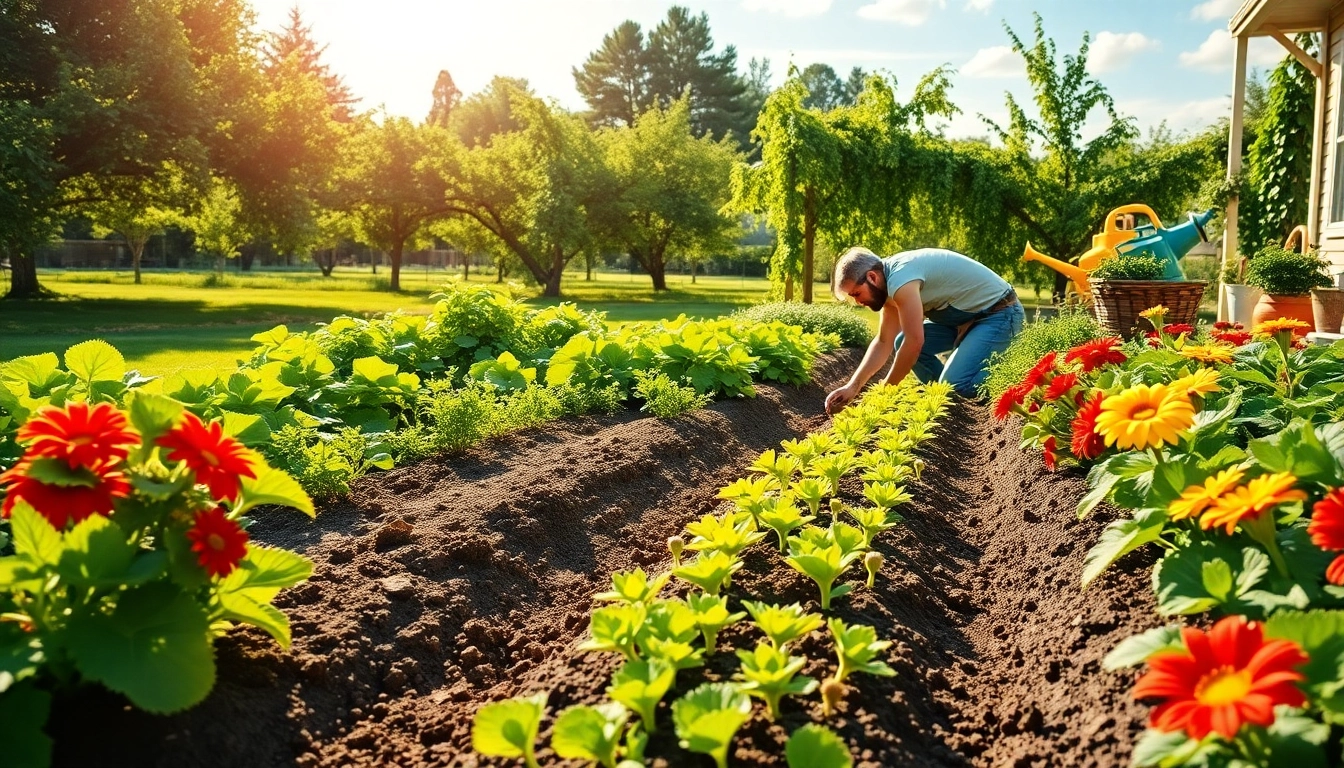
Getting Started with Gardening
Whether you’re seeking to cultivate a lush flower garden or grow fresh vegetables right at home, Gardening is a rewarding venture that connects you with nature while enhancing your living space. This comprehensive guide will walk you through the foundational concepts necessary to embark on your gardening journey, ensuring you have everything you need to cultivate your green thumb.
Understanding Soil Basics for Gardening
Soil is often referred to as the backbone of any garden. It is vital for providing nutrients, moisture, and support for plants. Understanding the different components of soil—sand, silt, clay, and organic matter—can help you optimize your gardening efforts.
Types of Soil and Their Properties
- Clay Soil: Tends to be heavy and retains water, making it difficult for roots to grow.
- Sandy Soil: Drains quickly and has excellent aeration but often lacks nutrients.
- Silty Soil: Retains moisture well and is nutrient-rich, ideal for most plants.
- Loamy Soil: A balanced mixture of sand, silt, and clay, perfect for raising healthy plants.
Testing Soil Quality
Before planting, test your soil to determine its pH and nutrient levels. Many local extension services offer soil testing kits, which can inform you about necessary amendments, helping create the optimal environment for your garden.
Choosing the Right Plants for Your Space
Selection of plants should be based on your climate zone, garden space, and personal preferences. Consider factors like light exposure—full sun, partial shade, or full shade—and the growth habits of plants.
Native vs. Non-Native Plants
Native plants are adapted to local conditions and are often more resistant to pests and diseases. Non-native plants can provide unique aesthetics, but may require more care and specific growing conditions. Always consider native plants as a first option for your garden.
Annuals, Perennials, and Biennials
- Annuals: Plants that complete their life cycle in one growing season.
- Perennials: Established plants that return yearly, often requiring less maintenance once established.
- Biennials: Plants that take two years to complete their life cycle, typically producing flowers and seeds in the second year.
Essential Gardening Tools Every Gardener Needs
Having the right tools can make gardening tasks more efficient. Here are some essential gardening tools to consider:
- Hand trowel: Perfect for digging small holes and transplanting seedlings.
- Pruning shears: Useful for trimming and shaping plants.
- Garden fork: Great for loosening the soil or turning compost.
- Rake: Ideal for leveling soil and gathering debris.
- Watering can or hose: Essential for delivering the right amount of water to your plants.
Essential Gardening Practices
Once you’ve established your garden, understanding essential practices will help maximize growth and yield. Here are some core gardening principles to follow.
Watering Techniques to Enhance Growth
Effective watering is critical for plant health. Under-watering can stress plants, while over-watering can lead to root rot. Here are some techniques for optimal watering:
Deep Watering
Water deeply but less frequently, ensuring that moisture penetrates below the root zone, encouraging plants to grow deeper roots.
Timing
Watering in the early morning or late afternoon helps minimize evaporation and allows plants to absorb moisture effectively.
How to Create Effective Garden Layouts
Garden layout significantly impacts the health and productivity of your garden. Here’s how to create an effective garden plan:
Rows vs. Raised Beds
Consider using raised beds to improve drainage and soil quality. Rows can be effective but may require more maintenance.
Companion Planting
Certain plants thrive when grown together. Knowing which plants benefit from each other can enhance growth and deter pests.
Natural Pest Control Strategies in Gardening
Managing pests naturally can protect your garden while promoting a healthy ecosystem. Here are effective strategies:
Beneficial Insects
Encouraging beneficial insects such as ladybugs and lacewings can help keep pest populations in check.
Organic Pesticides
Utilizing organic pesticides derived from natural sources can effectively manage infestations without harming beneficial insects.
Advanced Gardening Techniques
For those ready to take their gardening to the next level, advanced techniques can yield impressive results.
The Science of Crop Rotation in Gardening
Crop rotation involves changing the types of crops grown in a particular area to prevent soil depletion and pest outbreaks. Here’s how to implement it:
Planning Your Rotation
Establish a rotating system over three to four years, allowing different families of plants to replenish the soil with their unique nutrient needs.
Exploring Vertical Gardening Options
Vertical gardening utilizes upward space, making it ideal for smaller areas. This technique can enhance airflow, reduce pests, and even increase yields. Here are some options:
Wall Planters
Use wall-mounted planters for herbs and small vegetables that require less soil depth.
Trellises
Provide plants with a structure to climb, maximizing growing space and improving light penetration.
Using Companion Planting for Better Yields
Companion planting involves pairing plants that benefit each other, leading to healthier crops. Some successful pairings include:
- Tomatoes and basil: Basil repels pests and enhances the flavor of tomatoes.
- Carrots and onions: Onions deter carrot flies, providing an excellent companion planting strategy.
Seasonal Gardening Tips
Gardening is a year-round activity that requires different strategies depending on the season. Here’s how to prepare and maintain your garden through the changes in weather.
Preparing Your Garden for Spring Planting
Spring is the prime time for planting in many regions. Here’s how to prep:
Soil Preparation
Till and amend soil with compost or organic matter to boost nutrients and improve drainage.
Choosing Early Crops
Consider planting cool-season crops like peas and lettuce that thrive in early spring.
Maintaining a Healthy Garden During Summer
Summer’s heat can stress plants. Here’s how to keep your garden flourishing:
Mulching
Applying mulch retains moisture and suppresses weeds, providing a buffer against temperature extremes.
Regular Watering
Ensure consistent watering routines to avoid stress during high temperatures.
Winter Gardening Strategies for Year-Round Growth
Winter doesn’t mean your gardening efforts have to cease. Consider the following strategies:
Cold Frames
Utilize cold frames to extend the growing season and protect sensitive plants against frost.
Choosing Winter Crops
Planting winter specialties like kale and garlic can lead to a productive harvest when many other plants are dormant.
Resources and Community Support for Gardeners
Successful gardening involves continuously learning and connecting with others. Here are ways to access knowledge and support:
Online Forums and Gardening Communities
Joining online forums or local gardening groups can provide motivation and exchange of ideas. Resources like social media can also offer tips and inspiration.
Books and Resources for Gardening Enthusiasts
Reading books on gardening techniques, sustainable practices, and plant identification can broaden your understanding significantly. Look for reputable publishers and authors.
Local Gardening Workshops and Events
Participating in local workshops can deepen skills and provide hands-on experiences. Look for community gardens or agricultural extensions that offer classes.