Getting Started with Gardening Basics
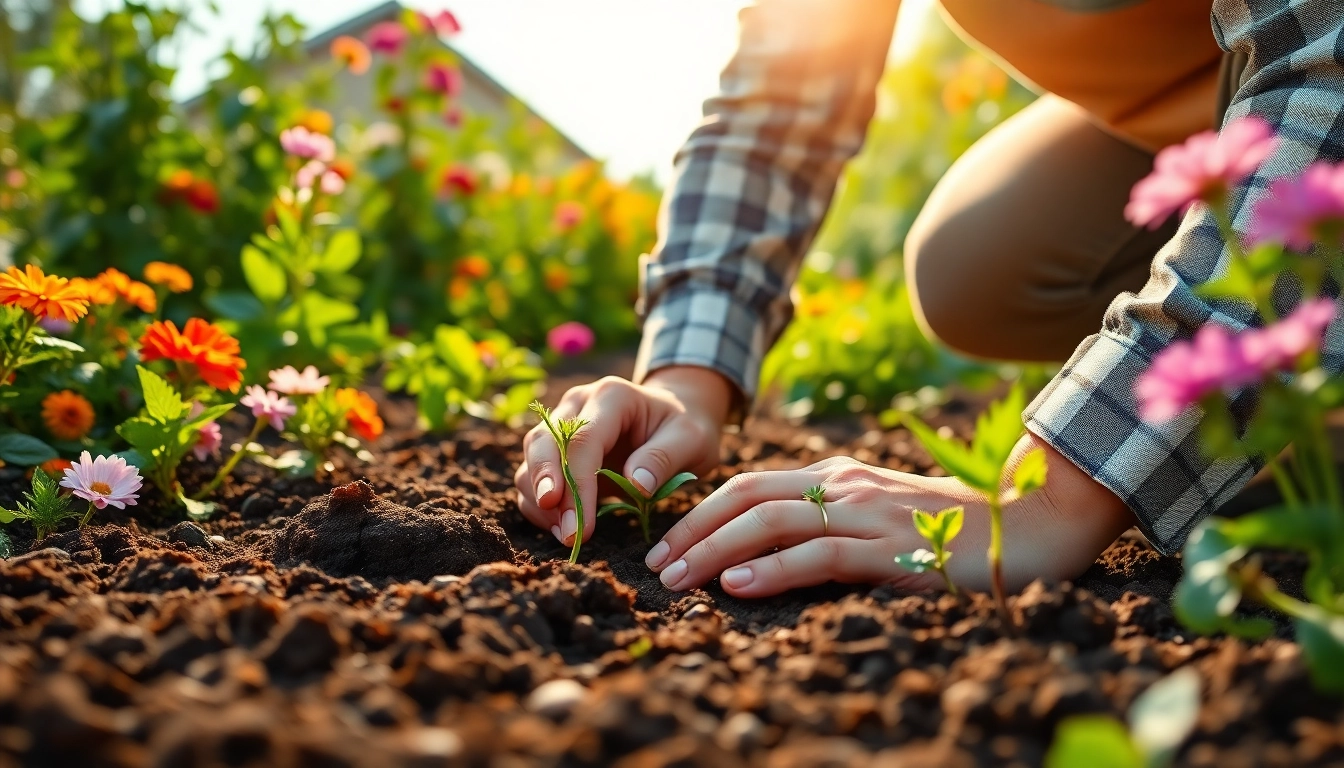
Gardening is a fulfilling hobby that not only enhances your home environment but also connects you with nature. As you delve into this pursuit, understanding the core components of successful gardening is essential. Preparing your soil, selecting the right plants, and equipping yourself with essential tools are foundational steps that set the stage for a thriving garden. For more comprehensive guides on various gardening techniques, consider exploring Gardening.
Understanding Soil Types and Preparation
Soil is the lifeblood of any garden. Its quality directly affects plant health and productivity. First, familiarize yourself with the different soil types: sandy, clay, silt, and loamy. Each type has its unique characteristics and implications for gardening.
Sandy soil drains quickly and warms fast, making it suitable for early planting but often lacks nutrients. Clay soil, on the other hand, retains moisture and is nutrient-rich but can become compacted, making it hard for roots to penetrate. Silt is fertile but prone to erosion, while loamy soil—a balanced mix of all three types—is ideal for most plants.
Once you identify your soil type, the next step is preparation. Test your soil pH and nutrient levels using a home test kit or through a local cooperative extension service. Amend your soil as necessary by adding organic matter like compost, which improves texture and fertility. Regularly aerating the soil not only aids drainage but also fosters healthy root systems.
Choosing the Right Plants for Your Climate
Your geographic region heavily influences the types of plants that will thrive in your garden. Understanding the USDA Plant Hardiness Zone Map will help you choose plants suited to your climate. Plants are classified according to their ability to withstand minimum temperatures, so selecting ones that match your zone is crucial.
Consider also your garden’s microclimates, which are influenced by factors like sunlight, wind, and humidity. South-facing spots may receive more light, while north-facing areas might provide more shade. Select plants that will not only survive but thrive in each specific environment. For instance, succulent plants work well in hot, dry areas, while shade-loving varieties like ferns or hostas excel in cooler, shaded parts of your garden.
Essential Gardening Tools You Need
Having the right tools can significantly ease the gardening process and ensure your efforts yield results. Here are essential tools every gardener should have:
- Hand Trowel: Useful for digging, planting, and even weeding in tight spaces.
- Pruners: Ideal for trimming plants, cutting back growth, and harvesting fruits and flowers.
- Garden Fork: Perfect for loosening soil and aerating garden beds.
- Watering Can or Hose: Essential for keeping your plants hydrated, especially during dry spells.
- Gloves: Protect your hands while working with the soil and handling plants.
- Rake: Helps in leveling soil and collecting debris.
- Spade: Excellent for digging larger holes for plants or turning over soil.
Investing in quality tools not only makes gardening more enjoyable but also can lead to better results.
Planning Your Garden Layout
A well-thought-out garden layout can maximize your space and enhance plant growth. By carefully planning your garden, you can ensure that every inch serves a purpose, leading to a beautiful and productive gardening experience.
Creating Efficient Garden Designs
There are several garden design types to consider, each with its unique advantages. Raised beds are particularly popular because they improve drainage and make weeding easier. Container gardening offers flexibility, allowing you to move plants according to sunlight and aesthetics. Additionally, square-foot gardening takes a systematic approach to space management, dividing garden plots into sections that optimize planting density.
When designing your garden, take note of the size and form of your plants. Taller plants, such as sunflowers or corn, should be placed at the back of beds or along the northern border, preventing them from overshadowing shorter plants. Use trellises to support climbing plants like peas and cucumbers, effectively utilizing vertical space.
Companion Planting for Healthier Crops
Companion planting is an age-old technique that involves pairing plants to enhance growth, deter pests, and improve health. For example, planting marigolds among vegetables can repel harmful nematodes and insects. Similarly, combining carrots and onions can help each other halt pest scenarios, as their scent masks each other.
Research common pairings that work harmoniously. Beans, which fix nitrogen in the soil, often thrive alongside corn and squash. This technique not only compacts your planting space but also enriches the soil, leading to healthier crops.
Timing Your Planting for Seasonal Success
Timing is paramount in gardening. Each plant has its specific growth and harvest timelines, which can vary depending on your location and climate. Understanding your local frost dates—both the last frost in spring and the first frost in fall—can guide your planting schedule.
Use seedlings started indoors for plants with a long growing season, allowing them to be transplanted outdoors when conditions are suitable. For typical vegetables like tomatoes or peppers, begin seeding 6-8 weeks before the last expected frost. Conversely, cool-weather crops such as spinach or peas can be sown as soon as the soil is workable in late winter or early spring.
Maintaining a Healthy Garden Ecosystem
Once your garden is planted, ongoing maintenance is critical to ensure it remains vibrant and productive. A healthy garden ecosystem balances various components, including water management, pest control, and promoting beneficial wildlife.
Watering Techniques and Schedules
Watering is one of the most critical factors impacting plant health. While every garden can have different needs, understanding a few general principles can aid your watering strategy. Deep watering is recommended over light sprinklings, as it encourages deep root growth and reduces surface runoff.
Incorporate drip irrigation or soaker hoses to ensure efficient water use, reducing evaporation and directing moisture directly to the rootzone. The frequency of watering will depend on weather conditions and plant needs but generally aim to water early in the morning or late in the afternoon to minimize evaporation.
Natural Pest Control Methods
Pests can be a significant hurdle in gardening, but various natural pest control methods can help maintain a healthy garden ecosystem. Introduce beneficial insects such as ladybugs and lacewings, which prey on pests. Additionally, companion planting can assist in deterring specific pests. For example, basil planted near tomatoes can reduce the risk of tomato hornworms.
Use organic solutions such as neem oil or insecticidal soap to manage more significant pest outbreaks. Regularly monitor your plants for signs of distress, allowing for early intervention and more effective control measures.
Encouraging Beneficial Garden Wildlife
A diverse garden ecosystem attracts a variety of wildlife, many of which are beneficial. Birds, bees, and butterflies play crucial roles in pollination and pest management. Supporting these creatures can be as simple as creating a suitable environment for them to thrive.
Add native plant species rich in nectar to attract pollinators, and consider setting up birdhouses or feeding stations to draw in birds. Maintaining a water source, such as a shallow birdbath, can also support wildlife while enhancing your garden’s aesthetic appeal.
Harvesting and Storing Your Produce
The moment you’ve anticipated throughout your gardening journey is finally here—harvesting your produce. Understanding when and how to harvest is critical to ensuring the quality and longevity of your garden bounty.
When and How to Harvest Different Crops
Harvesting times vary greatly depending on the type of crop. Vegetables like cucumbers should be picked when they’re firm and shiny, while beans should be harvested as soon as the pods are filled but before they begin to yellow. Always check for signs of ripeness and harvest in the morning when produce is at its peak freshness.
Use proper techniques for harvesting to avoid damaging the plant or future yields. For instance, use scissors for herbs to encourage new growth. Some fruits can be gently twisted off the plant when ripe, whereas others may require slight a tug to detach them.
Best Practices for Storing Your Harvest
Once harvested, the storage of your produce can greatly affect its taste and shelf life. Most vegetables are best stored in a cool, dark place, while fruits like tomatoes prefer room temperature to maintain flavor.
Consider methods such as canning or freezing for preserving excess produce, allowing you to enjoy your garden’s bounty throughout the year. Proper packing and choosing the right containers for freezing or canning can significantly extend shelf life.
Culinary Uses for Fresh Garden Produce
Fresh produce brings a burst of flavor to meals, promoting healthier eating habits and ripple effects on overall well-being. Utilize herbs to enhance your dishes, incorporating basil, parsley, or cilantro into salads, sauces, or marinades.
Vegetables are best when used fresh, whether roasted, steamed, or as part of a stir-fry. Garden recipes for soups, salads, and preserves can help inspire new culinary adventures that showcase the fruits of your labor.
Advanced Gardening Techniques for Enthusiasts
For those who wish to elevate their gardening game, several advanced techniques can lead to even greater success and enjoyment in this enriching hobby. Exploring these methods can enhance your overall gardening experience and yield impressive results.
Exploring Hydroponic Gardening Options
Hydroponic gardening utilizes water-based, nutrient-rich solutions instead of soil, allowing plants to grow in a more controlled environment. This technique can drastically reduce the space needed for a garden, making it ideal for urban settings.
There are various hydroponic systems, including nutrient film technique (NFT), aeroponics, and deep water culture (DWC), each with its specific advantages. Hydroponics can lead to faster growth rates and higher yields, especially for leafy greens and herbs.
Permaculture Gardening Principles Explained
Permaculture is an ecological design system that promotes sustainable agriculture through natural self-sustaining ecosystems. The principles involve designing gardens that mimic natural ecosystems, fostering biodiversity, and maximizing resources.
In a permaculture garden, consider planting perennial crops, establishing polycultures (where multiple species grow together), and creating zones to efficiently use space and resources. This holistic approach can lead to lower maintenance needs while preserving ecological integrity.
Season Extension Techniques for Year-Round Gardening
To maximize the potential of your garden and enjoy fresh produce year-round, season extension techniques are invaluable. Utilizing cold frames and hoop houses can protect plants from frost, allowing you to grow hardy crops longer.
Row covers can provide an additional layer of protection against colder temperatures and pests during transitional seasons. Additionally, practicing crop rotation can aid in maintaining soil health, prolonging the life of your garden seasons.
By mastering these foundational components, ongoing maintenance strategies, and advanced techniques, you can cultivate a thriving garden that not only beautifies your space but also connects you with nature and provides nourishment for you and your family. Happy gardening!