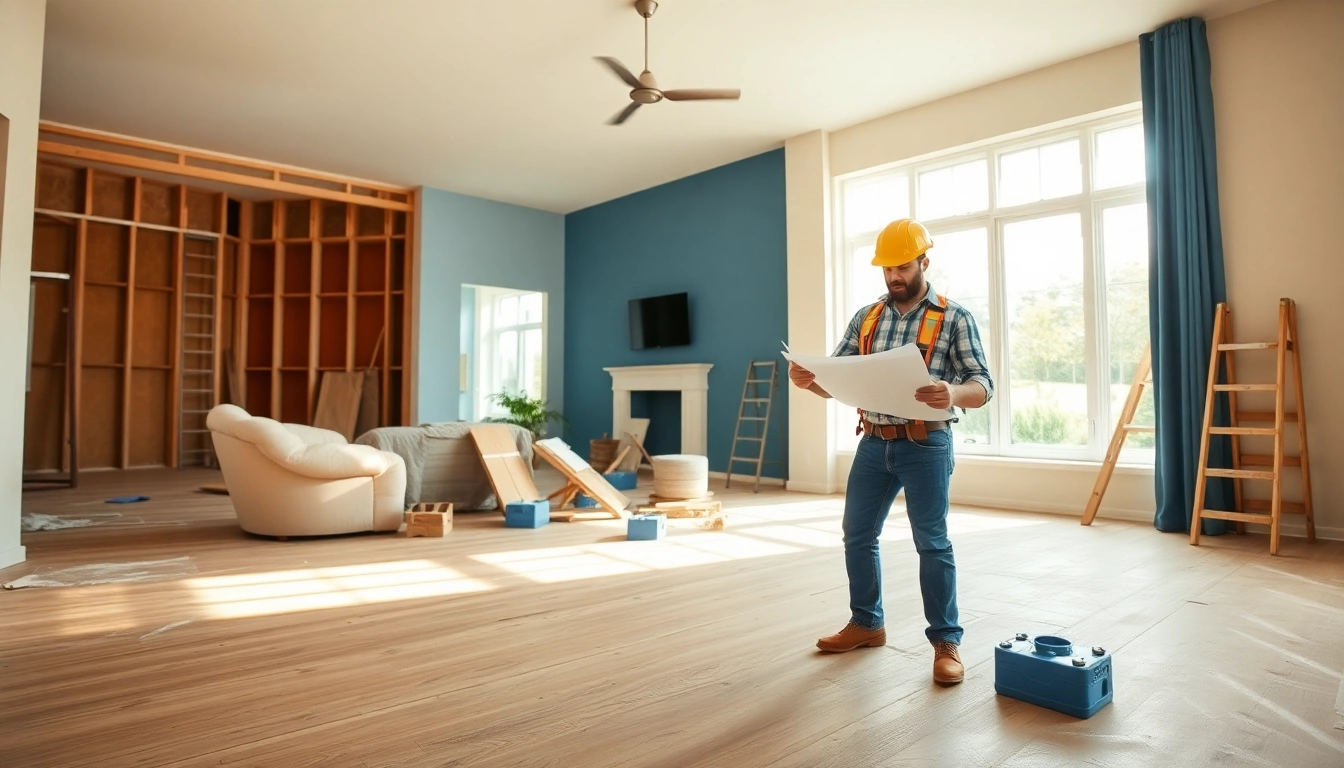
Understanding Home Renovation Basics
Home renovation is a significant undertaking that many homeowners consider to enhance the functionality and appearance of their houses. Whether you’re upgrading outdated features, expanding your living space, or simply refreshing your interiors, understanding the fundamentals of home renovation is crucial. This guide will cover everything you need to know, from the types of projects you can undertake to the benefits they bring. We will also delve into practical tips and considerations that will help you execute your renovation plans effectively.
From small changes like repainting to large-scale projects like building an extension, the scope of Home renovation can vary widely. Let’s begin with defining what home renovation truly entails.
What is Home Renovation?
Home renovation refers to the process of improving, updating, or alter existing residential spaces. It involves various activities that range from simple cosmetic makeovers, such as painting and landscaping, to extensive structural changes like reconfiguring floor plans, adding new rooms, or modernizing outdated systems (plumbing, electrical, etc.). The primary aim is to enhance both the aesthetic appeal and the functional performance of the home, thereby improving the quality of life for the inhabitants.
Types of Home Renovation Projects
Home renovation projects can be broadly categorized into several types, each serving different purposes and requiring varying levels of investment:
- Cosmetic Renovations: These involve superficial changes aimed at improving aesthetic appeal. Examples include painting walls, replacing flooring, or updating fixtures.
- Structural Renovations: These include significant changes to the home’s layout or structure, such as removing walls, adding extensions, or finishing basements.
- Functional Renovations: Projects focusing on improving the utility of a space, such as upgrading kitchens and bathrooms or enhancing storage solutions.
- Energy-Efficient Renovations: These renovations aim to reduce energy consumption through better insulation, energy-efficient windows, and smart technology installations.
- Historical Renovations: Focused on restoring or preserving the original features of historical homes while updating necessary systems to modern standards.
Key Benefits of Home Renovation
Renovating your home can yield numerous benefits:
- Increased Value: A well-executed renovation can significantly enhance your home’s market value, making it more appealing to potential buyers.
- Improved Functionality: Renovations tailored to your family’s needs can improve daily living through better layouts and increased storage.
- Enhanced Aesthetic Appeal: Updating the look of your home can make it a more enjoyable and visually appealing place to live.
- Energy Efficiency: Upgrading old systems can lower energy bills and contribute to a more sustainable living environment.
- Personal Reflection: Home renovations allow you to express your personal style and create a space that reflects your personality and lifestyle.
Planning Your Home Renovation
Developing a Realistic Budget
One of the most critical steps in planning your home renovation is developing a realistic budget. Begin by assessing your financial situation and determining how much you can afford to spend on renovations. Here are some tips to establish a comprehensive budget:
- Research Costs: Investigate the average costs of renovations in your area to get a baseline for budgeting.
- Include a Contingency Fund: Set aside 10-20% of your budget for unexpected costs and surprises that may arise during the renovation process.
- Prioritize Your Needs: If your budget is limited, prioritize essential renovations over cosmetic changes.
Creating a Vision and Design
Once you have established a budget, the next step is to create a vision for your renovation. Consider what you want to achieve with your renovation and cherish the aesthetics you want in your space:
- Gather Inspiration: Use magazines, websites, and social media platforms to gather ideas and create a mood board that reflects your style.
- Engage Professionals: Consult with architects or designers if your project is complex. They can offer valuable insights into what works best and what is feasible.
- Consider Functionality: Design spaces that not only look good but also enhance your lifestyle and meet your family’s needs.
Timeline and Phases of Home Renovation
Developing a timeline is essential for managing your renovation project efficiently. A renovation typically consists of the following phases:
- Pre-Planning: Research, budget development, and initial design brainstorming.
- Design Approval: Finalize your designs, ensuring all stakeholders are satisfied before moving forward.
- Permitting: If necessary, obtain permits and approvals from local authorities, which may take several weeks.
- Execution: Begin the renovation work, scheduled according to the complexity and scope of the project.
- Final Inspection and Walkthrough: Inspect the completed work, address any remaining issues, and ensure satisfaction before wrapping up the project.
Executing Your Home Renovation Project
Selecting the Right Materials and Finishes
The materials and finishes you choose can significantly impact both the look and longevity of your renovation. Here are factors to consider:
- Quality vs. Cost: While cheaper materials might initially save you money, they can lead to higher maintenance or replacement costs in the future.
- Style Compatibility: Ensure that materials align with the overall design aesthetics of your home.
- Environmental Impact: Consider eco-friendly options that can reduce your carbon footprint and increase energy efficiency.
Hiring Professionals vs. DIY
One of the significant decisions you’ll make during your renovation is whether to hire professionals or undertake the project yourself:
- DIY: Ideal for small cosmetic changes, DIY projects can be cost-effective but require time, skill, and tools.
- Hiring Contractors: For extensive renovations, hiring professionals ensures high-quality results and adherence to local building codes.
- Finding the Right Help: If hiring professionals, ensure you research and verify their credentials, reviews, and past work to find the right fit.
Managing the Renovation Process
Effective management of your renovation project is essential for its success. Here are some tips to ensure everything runs smoothly:
- Create a Schedule: Stick to a timeline, but remain flexible to accommodate any delays or adjustments that may arise.
- Communicate Regularly: Maintain open lines of communication with all parties involved to address concerns and provide updates.
- Inspect Progress: Conduct regular onsite inspections to ensure that the work meets your standards and stays on track.
Overcoming Challenges in Home Renovation
Common Issues and Solutions
During a renovation, challenges are inevitable. Here are some of the most common issues and how to overcome them:
- Delays: Unforeseen delays are common due to weather or sourcing materials. Build buffer time into your schedule to accommodate this.
- Budget Overruns: Ensure you have a contingency fund for unexpected expenses. Adjust priorities if your renovation exceeds the budget.
- Design Misalignments: Regularly check in with your designer or contractor to ensure your vision aligns with reality throughout the process.
Permits and Regulations for Home Renovation
Securing the necessary permits and ensuring compliance with local building codes is crucial for any renovation project:
- Research Requirements: Contact your local building authority or check their website to understand what permits are required for your specific renovations.
- Documentation: Prepare and submit all necessary paperwork accurately to avoid delays in your project.
- Compliance Checks: Schedule inspections as required to ensure that all work meets local regulations.
Dealing with Unexpected Problems
Home renovations can often unearth surprises, from structural issues to code violations. Here are ways to handle unexpected problems:
- Stay Informed: Regularly inspect work and communicate with your contractor to catch problems early.
- Problem-Solving Approach: Develop a strategy to tackle issues promptly based on the problem’s unique context.
- Resilience and Flexibility: Embrace the unexpected as part of the renovation journey, maintaining a positive attitude.
Post-Renovation Considerations
Evaluating the Success of Your Home Renovation
After the completion of your renovation, it’s important to evaluate its success against your initial goals:
- Assess Functionality: Determine whether the renovated space meets your needs and offers the desired improvements.
- Gather Feedback: Solicit opinions from family and friends about the new space to gain varied perspectives.
- Quality Check: Inspect the quality of the work and address any remaining concerns with your contractor.
Maintenance Tips After Home Renovation
To ensure your newly renovated space remains in optimal condition, follow these maintenance tips:
- Regular Cleaning: Establish a cleaning routine that promotes the longevity of your new finishes and materials.
- Routine Inspections: Schedule periodic checks on systems (like plumbing and electrical) to catch potential issues early.
- Preserving Aesthetics: Use appropriate cleaning products and methods for specific materials to keep them looking their best.
Enhancing Home Value Through Renovation Projects
Finally, post-renovation, consider strategies to maximize the value of your investment:
- Focus on High-Value Areas: Renovations in kitchens and bathrooms typically yield the best returns on investment.
- Maintain Curb Appeal: Invest in landscaping and exterior improvements to enhance your home’s first impression.
- Stay Market Savvy: Keep up with market trends to ensure your renovations suit buyer demand and expectations.