
Essential Gardening Techniques for Thriving Plants and Sustainable Growth
Introduction to Gardening: Understanding the Basics
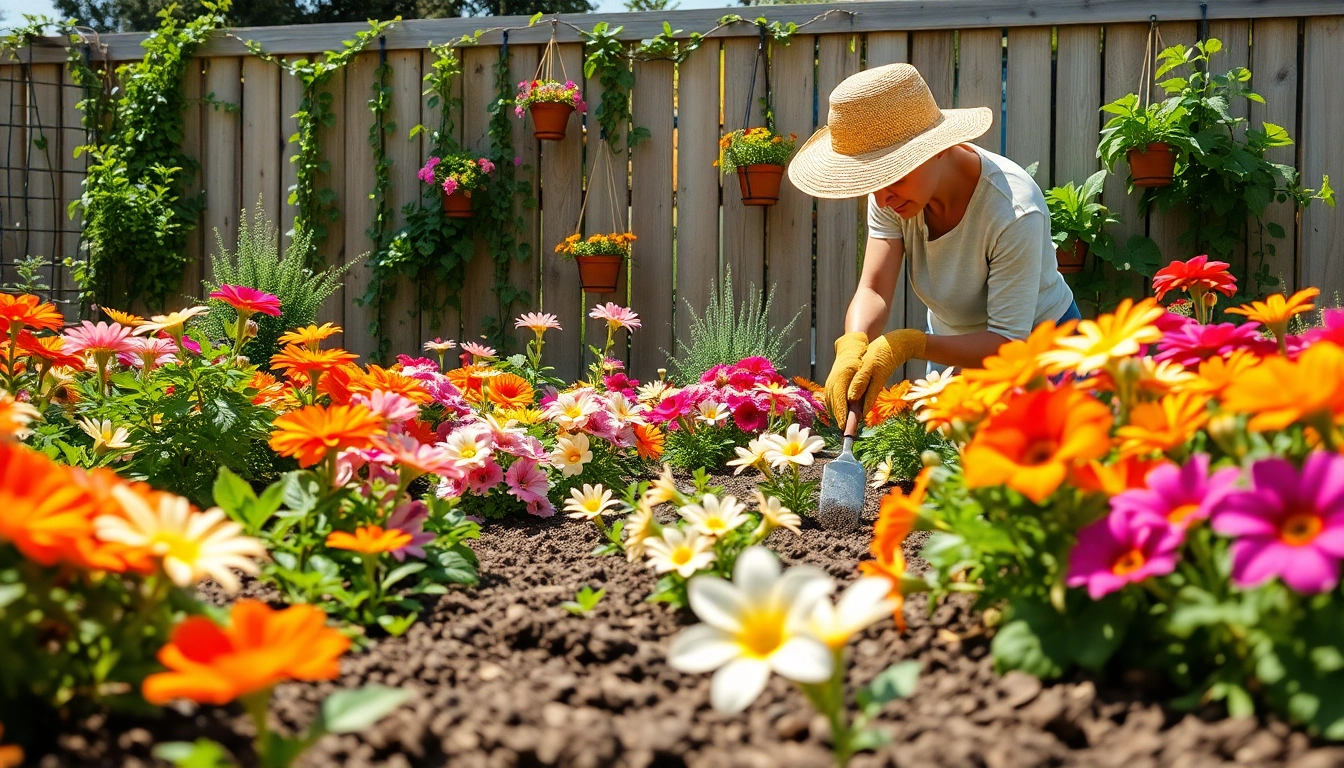
Gardening is an enriching activity that allows individuals to connect with nature, cultivate plants, and create beautiful outdoor spaces. It encompasses everything from small container gardens on balconies to expansive vegetable plots in rural areas. Whether you are just starting out or you have been gardening for years, understanding the fundamentals is crucial. Not only does gardening provide aesthetic benefits, but it also contributes positively to our physical and mental well-being. In this comprehensive guide to Gardening, we will explore its benefits, essential tools, and effective strategies to help your plants thrive.
What is Gardening?
Gardening is the practice of cultivating plants, which can include flowers, vegetables, fruits, herbs, and even ornamental shrubs. It involves planning, planting, nurturing, and harvesting, allowing gardeners to create a sustainable ecosystem that supports biodiversity. Gardening can be as simple or complex as one desires, making it accessible to everyone. Whether practicing small-scale urban gardening or larger agricultural endeavors, the core principles remain the same: nurturing the earth to produce life.
The Benefits of Gardening for Health and Environment
The benefits of gardening extend far beyond yielding crops or beautiful flowers. Engaging in gardening activities can lead to numerous physical and psychological health benefits. For instance, studies have shown that regular gardening can reduce stress, improve mood, and enhance overall emotional well-being. The physical act of digging, planting, and weeding engages various muscle groups, promoting fitness and improving coordination.
Moreover, gardening plays a pivotal role in environmental stewardship. It contributes to biodiversity by providing habitats for pollinators and various wildlife. Home gardens also help mitigate urban heat effects and improve air quality, making communities healthier and more sustainable. Engaging in eco-friendly practices, such as composting and using organic gardening techniques, furthers this positive impact on the environment.
Essential Tools for Every Gardener
Every gardener needs the right tools to enhance productivity and ensure plant health. Here are some essential tools:
- Hand Trowel: Perfect for digging small holes, transplanting seedlings, and cultivating soil.
- Pruning Shears: Essential for trimming plants and maintaining healthy growth.
- Gardening Gloves: Protect hands while working with soil and plants.
- Watering Can: Ideal for providing water directly to plants without damaging them.
- Rake and Hoe: Useful for preparing garden beds and managing weeds.
- Spade: A larger tool necessary for digging deeper in the soil.
Choosing the Right Plants for Your Gardening Space
Choosing the right plants is critical in gardening. The decision depends on several factors, such as climate, space, and the gardener’s preferences. Particularly for beginners, understanding these factors can lead to higher success rates in gardening endeavors.
Understanding Plant Types: Annuals vs. Perennials
Gardening enthusiasts often debate the merits of annuals versus perennials. Annuals complete their life cycle in a single growing season and must be replanted each year. They typically bloom profusely, providing vibrant color and lush foliage. Examples of popular annuals include marigolds and petunias.
On the other hand, perennials live for multiple years and return each season, requiring a one-time investment. They tend to be lower maintenance and can be more sustainable in the long run. Popular perennials include daylilies and hostas. Understanding the benefits of each type will help gardeners create a sustainable planting strategy.
Site Selection: Sunlight and Soil Requirements
Site selection is essential for plant success. Plants have specific sunlight and soil requirements that should align with the chosen gardening area. For instance, most vegetables and flowering plants thrive in full sun, requiring at least six hours of direct sunlight daily. Shade-loving plants may be more suited for area with limited sunlight.
Additionally, testing soil quality can determine pH levels and nutrient concentrations, allowing gardeners to amend the soil accordingly with fertilizers or organic matter to enhance soil health.
Creating a Planting Schedule for Seasonal Gardening
Gardening is inherently seasonal, so creating a planting schedule can effectively optimize growth. Start by identifying your growing zone and local climate, as this dictates what and when to plant. Many gardeners utilize seasonal planting charts that outline ideal planting and harvest times.
Consider crop rotation and staggered planting to maximize yield and control pests and diseases. Maintaining a detailed gardening journal can also help track successes and adjustments for future seasons.
Soil Preparation: The Foundation of Successful Gardening
Soil is the lifeblood of any garden. It provides essential nutrients and a home for the roots of plants. Thus, proper soil preparation is necessary for creating a thriving garden.
Testing Soil Quality: What You Need to Know
Before planting, gardeners should assess soil quality through sampling and testing. Home testing kits or professional soil laboratories can measure pH, nutrient levels, and organic matter. Knowing your soil composition informs whether you need to amend it to meet the specific needs of your chosen plants.
Amending Soil for Optimal Plant Growth
Amending soil involves adding organic or inorganic materials to modify its properties, improving drainage, aeration, and nutrient content. Common amendments include compost, manure, peat moss, and vermiculite. Each of these materials brings unique benefits, enabling gardeners to create the perfect environment for plant growth.
Utilizing Compost and Organic Matter in Gardening
Composting is an excellent way to enhance soil health naturally. Decomposed organic matter enriches soil, fosters beneficial microorganism activity, and improves texture. Compost is versatile and can be made from kitchen scraps, yard waste, and other organic materials, making it an eco-friendly option for enhancing soil quality.
Watering Techniques: Keeping Your Garden Hydrated
Water is vital for all plant life. Understanding how much water each different plant requires, as well as proper watering techniques, is fundamental for gardeners seeking healthy growth.
Understanding Water Requirements for Different Plants
Plant water requirements vary significantly based on species, weather conditions, and soil type. Some plants thrive in moist conditions, while others may prefer drier settings. Grouping plants according to their water needs can lead to more efficient irrigation and less wasted water.
Efficient Watering Methods and Tools
Choosing the right watering method can impact both plant health and water conservation. Drip irrigation systems and soaker hoses provide slow, deep watering to root zones, minimizing evaporation. Alternatively, sprinklers can be used for larger areas, but ensure they provide even coverage. Hand watering gives gardeners better control, allowing them to check the water needs of each plant individually.
Scheduling Watering for Climate Conditions
Watering should align with the weather and seasonal changes. During hot summer months, plants typically require more frequent watering, while rainy seasons may require less. Morning is often the best time for watering to allow for evaporation and reduce the risk of diseases.
Advanced Gardening Practices for Enhanced Growth
For those looking to take their gardening skills to the next level, advanced practices can provide significant benefits in yield and plant health.
Companion Planting: Maximizing Space and Resources
Companion planting is a method where different plants are grown close together to enhance growth and deter pests. Certain combinations can improve nutrient uptake—such as planting beans alongside corn, which benefits from the nitrogen beans fix in the soil. Other pairs, like marigolds and tomatoes, can help repel harmful insects while attracting beneficial pollinators.
Natural Pest Control Methods in Gardening
Pest management is an essential aspect of successful gardening. Instead of relying on chemical pesticides, many gardeners opt for natural pest control methods. This includes introducing beneficial insects, such as ladybugs and lacewings, that prey on harmful pests, or employing barriers like row covers to protect young plants. Other strategies include crop rotation and planting pest-resistant varieties.
Harvesting Tips for Fruits, Vegetables, and Herbs
The timing and method of harvesting can significantly impact the quality and taste of produce. Many fruits and vegetables should be harvested at their peak ripeness for maximum flavor. It is essential to use clean tools to avoid introducing bacteria into the garden. For herbs, regular harvesting encourages bushier growth and prevents flowering, which can affect flavor.

