Understanding Home Renovation: The Basics
Defining Home Renovation and its Importance
Home renovation refers to the process of improving an existing structure, which can involve anything from minor repairs and upgrades to major structural changes. The significance of home renovation lies not only in enhancing the aesthetic appeal of a home but also in increasing its overall functionality, comfort, and value. Engaging in Home renovation allows homeowners to tailor their living spaces to better fit their lifestyles and preferences, ultimately leading to a more satisfying living environment.
Types of Home Renovation Projects
Home renovations can be categorized into several types, each serving specific purposes:
- Cosmetic Renovations: These include minor repairs like painting, flooring updates, and fixture replacements that enhance the aesthetics of a space without altering its structure.
- Structural Renovations: This type involves significant changes such as moving walls, adding new rooms, or changing the layout, which often requires professional planning and permits.
- Functional Renovations: Changes that improve the functionality of a space, such as adding storage, modernizing kitchens and bathrooms, or enhancing energy efficiency.
- Restoration: Restoring a property to its original condition, especially relevant in historical renovations, preserving architectural significance while upgrading necessary systems.
- Outdoor Renovations: Enhancements to outdoor spaces, such as landscaping, decking, and patio additions, which contribute to a home’s curb appeal and outdoor usability.
Common Home Renovation Myths Debunked
In the realm of home renovation, various myths can deter homeowners from pursuing their projects. Debunking these misconceptions can foster better decision-making:
- Myth 1: Renovations are always too expensive. Many projects can be completed within budget through careful planning and prioritization.
- Myth 2: DIY is always cheaper than hiring a professional. While DIY can save money, mistakes can lead to costly repairs, making professional help worth the investment.
- Myth 3: All renovations will increase home value. While many renovations add value, some may not return on investment. It’s vital to research which improvements are valued by buyers.
Planning Your Home Renovation
Setting a Realistic Budget for Home Renovation
Budgeting is a critical element in the planning process. A well-structured budget should encompass all expected costs, providing a buffer for unexpected expenses, typically ranging from 10% to 20% of the total budget. Key factors to include are:
- Professional fees (architects, designers, contractors)
- Materials and fixtures
- Permits and inspections
- Contingency funds for unexpected repairs
Creating a Home Renovation Timeline
Establishing a timeline helps manage expectations and monitor progress. A clear outline with project phases can include:
- Planning and design phase
- Obtaining permits
- Demolition and construction
- Finishing touches
- Final inspections and project completion
Regular check-ins and updates to the timeline are crucial, allowing for adaptability to unforeseen delays.
Choosing the Right Design and Materials
Selecting appropriate design elements and materials has a significant influence on both the aesthetics and functionality of the renovated space. Factors to consider include:
- Style Consistency: Ensuring that new designs align with the home’s existing style creates a harmonious environment.
- Durability: Investing in high-quality materials can ensure longevity and reduce the need for future repairs.
- Energy Efficiency: Incorporating eco-friendly materials and technologies can enhance the home’s sustainability.
Executing Your Home Renovation
Finding Reliable Contractors for Home Renovation
Selecting the right contractors is crucial for the success of your renovation. Here are steps for finding reliable professionals:
- Research and gather referrals from trusted sources.
- Check certifications, licenses, and insurance to ensure proper qualifications.
- Review portfolios and ask for references from previous clients.
- Obtain multiple quotes to compare prices and services offered.
DIY vs. Professional Home Renovation
Homeowners often face the dilemma of choosing between DIY projects and hiring professionals. Consider the following:
- DIY: Suitable for smaller, less complex projects where homeowners have the necessary skills and time.
- Professional: Recommended for significant structural changes or specialized tasks such as electrical or plumbing work that requires experience.
Evaluating skills, time, and budget can guide this decision effectively.
Overseeing Your Home Renovation Project
Effective project management ensures that renovations proceed smoothly. Homeowners should:
- Maintain open communication with contractors and workers.
- Schedule regular site visits to monitor progress and quality.
- Address any issues promptly to avoid delays.
Post-Renovation Essentials
Evaluating the Success of Your Home Renovation
Once the renovation is complete, evaluating its success is key. Consider:
- Are the project goals met within budget and timeline constraints?
- Do the improvements enhance the functionality and comfort of your home?
- Are there aspects that need further adjustments or attention?
Home Renovation Maintenance Tips
Post-renovation maintenance ensures that improvements remain in good condition over time. Important tips include:
- Develop a maintenance schedule for regular inspections and upkeep.
- Use high-quality cleaners and tools for any renovations made.
- Stay proactive about repairs to prevent larger issues.
Enhancing Value After Home Renovation
Maximizing the value of your home post-renovation involves strategic enhancements, such as:
- Landscaping improvements that boost curb appeal.
- Upgrading fixtures and finishes to appeal to potential buyers.
- Documenting renovations to highlight the home’s upgrades when selling.
Future Trends in Home Renovation
Sustainable Practices in Home Renovation
Sustainability is a growing focus in home renovation, with practices that include using eco-friendly materials, energy-efficient appliances, and green construction techniques. Homeowners are increasingly aware of their environmental impact and seek to reduce it through thoughtful choices during renovations.
Smart Home Technologies in Home Renovation
The integration of smart home technologies is transforming home renovation. Features such as smart thermostats, security systems, and automated lighting can enhance convenience and energy efficiency. Future renovations are likely to emphasize technology that improves home life quality while maintaining ecological consciousness.
Design Trends to Watch in Home Renovation
Emerging design trends in home renovation reflect a shift toward personalization and sustainability. Key trends include:
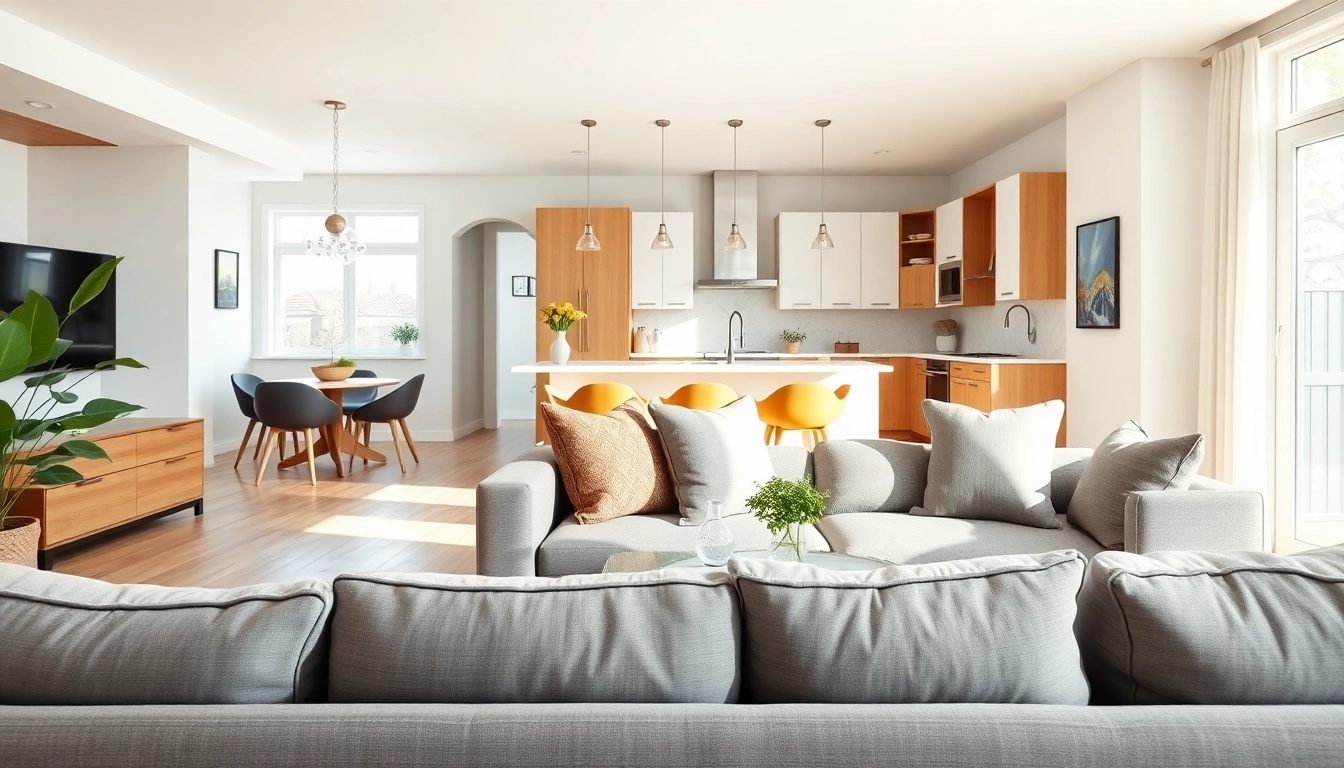
- Open floor plans that encourage spaciousness and connectivity.
- Natural materials that bring the outdoors inside, fostering a sense of tranquility.
- Multifunctional spaces that adapt to various needs, particularly relevant in urban settings.