Understanding Home Renovation
What is Home Renovation?
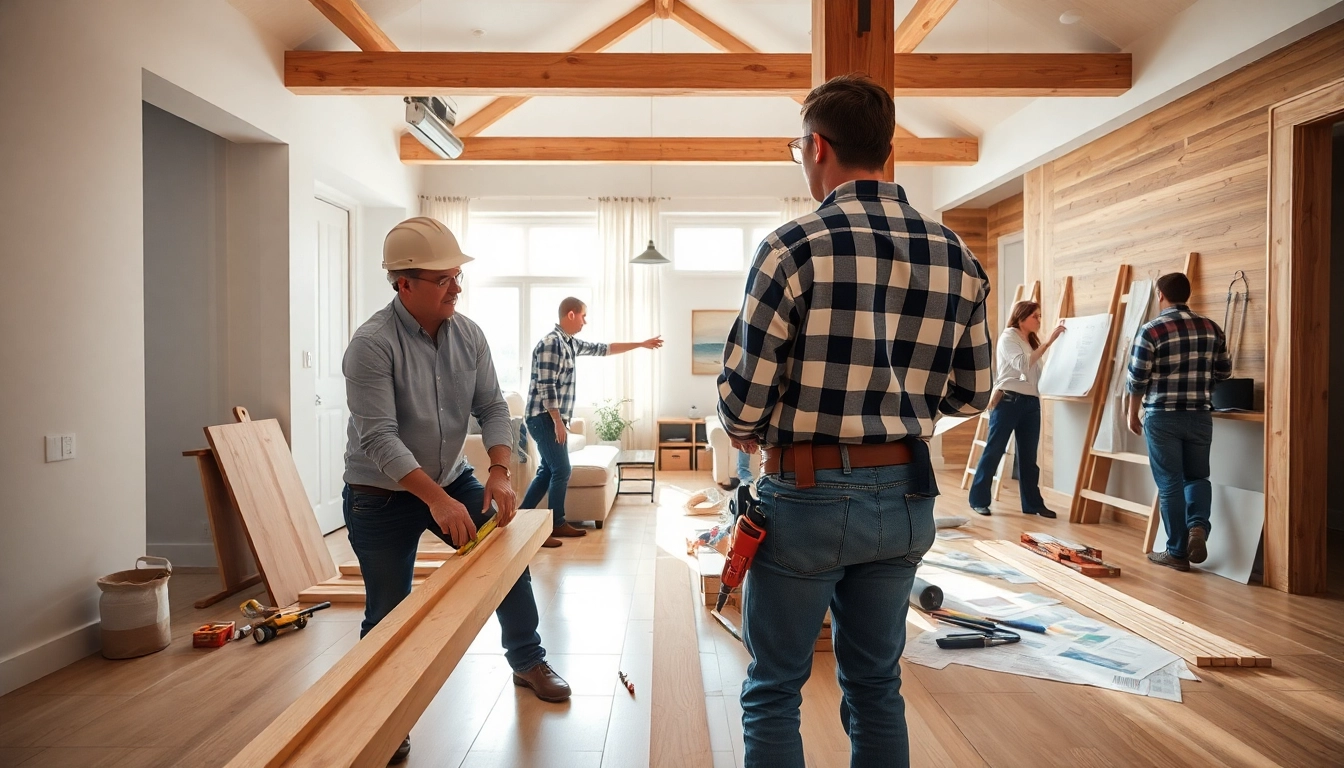
Home renovation is the process of improving or upgrading an existing home. It often encompasses a wide range of projects, from small updates like repainting rooms, replacing fixtures, or installing new flooring to major undertakings such as redesigning layouts, adding extensions, or completely overhauling spaces. The term “home renovation” can imply both aesthetic enhancements and functional improvements, aimed at making a home more enjoyable, efficient, or appealing. As the needs and preferences of homeowners evolve, the real estate market always witnesses a surge in Home renovation activities to meet these changing demands.
Key Benefits of Home Renovation
There are numerous advantages to renovating your home, which can significantly enhance the quality of life and potentially increase property value. Here, we outline some of the most compelling benefits:
- Increased property value: Well-executed renovations can lead to substantial capital gains, making the property more attractive to potential buyers.
- Enhanced comfort and convenience: Renovating spaces, such as kitchens and bathrooms, can greatly increase everyday convenience and improve the overall livability of a home.
- Energy efficiency: Upgrading windows, insulation, and heating or cooling systems can reduce utility costs and create a more sustainable living environment.
- Personalization: Home renovation allows homeowners to reflect their personal style, making spaces not just functional, but also aesthetically pleasing.
- Addressing maintenance issues: Renovations often focus on fixing outdated or damaged elements, preventing further problems and costly repairs down the line.
Common Types of Home Renovation
Home renovations can vary widely, based on the scope of work, style preferences, and specific functional needs. Common types of renovations include:
- Kitchens: These renovations may include new cabinetry, countertops, appliances, and layouts to improve cooking and dining experiences.
- Bathrooms: Upgrades might comprise new fixtures, tiles, and enhanced storage solutions to foster comfort and relaxation.
- Living Spaces: Rooms can be redesigned for better functionality, such as combining separate areas into an open concept layout.
- Basements and Attics: These spaces can be transformed into livable areas like guest rooms, offices, or playrooms.
- Exteriors: Renovations can include siding replacement, window updates, and landscape enhancements to improve curb appeal.
Planning Your Home Renovation
Essential Steps in Planning Home Renovation
Effective home renovation begins with proper planning. Below are key steps to ensure a successful project:
- Define your goals: Identify what you want to achieve with your renovation. Is it more space, better efficiency, or modern aesthetics?
- Conduct research: Look into home design trends, materials, and techniques that align with your renovation goals.
- Develop a timeline: Establish when you’d like to start and finish the renovation, while allowing for possibility of delays.
- Assess your current home: Understand the strengths and weaknesses of your existing space before diving into renovations.
- Consult professionals: Engaging with architects, designers, or contractors early on can provide valuable insights and help refine your renovation plan.
Setting a Realistic Budget for Home Renovation
Budgeting is perhaps one of the most critical components of a successful renovation. Here are practical tips for creating an effective budget:
- Establish a baseline: Research average costs for projects similar to yours to create a realistic budget.
- Factor in contingency funds: It’s advisable to set aside at least 10-20% of your overall budget to handle unexpected expenses.
- Prioritize your needs: Determine which renovations are most vital and which items can wait, to avoid overspending.
- Obtain multiple quotes: When hiring contractors, obtain several quotes and discuss the budget thoroughly.
Choosing the Right Time for Home Renovation
Timing can greatly influence the success of a home renovation. Consider these factors when deciding the best time for your project:
- Seasonality: Some renovations may be better suited to specific seasons. For instance, exterior work is best done in temperate weather.
- Market conditions: Take into account the housing market; renovations during high-demand periods might yield better returns.
- Family schedules: Plan your renovation when your household schedule is less busy to minimize disruption.
- Contractor availability: Consider hiring contractors during their off-peak seasons when they may have more availability to dedicate to your renovation.
Design Considerations for Home Renovation
Incorporating Modern Trends into Home Renovation
Home design trends evolve, and incorporating modern aesthetics can significantly enhance your space. Current trends include:
- Open floor plans: Creating expansive living spaces fosters connection and usability.
- Smart home technology: Integrating technology for convenience, energy efficiency, and security is increasingly popular.
- Natural materials: Using elements like wood, stone, and other organic materials connects spaces with nature.
- Neutral palettes: Adopting calm color schemes provides a timeless backdrop for design elements.
Balancing Functionality and Aesthetics in Home Renovation
Striking a balance between functionality and aesthetics is vital in home renovation. Here are key considerations:
- Space optimization: Design layouts that maximize space without compromising on style.
- Ergonomic design: Ensure that kitchens and bathrooms are designed for ease of use without sacrificing aesthetic appeal.
- Quality materials: Choose durable materials that require minimal maintenance yet provide visual interest.
Supporting Sustainable Practices in Home Renovation
Incorporating sustainability into home renovation not only benefits the environment but can also reduce utility costs. Here’s how to implement sustainable practices:
- Energy-efficient appliances: Opt for ENERGY STAR rated products to minimize energy consumption.
- Reclaimed materials: Utilize recycled or intentionally sourced materials for flooring, cabinetry, and decor.
- Green building practices: Engage contractors who specialize in eco-friendly construction methods.
- Smart technologies: Integrate systems for energy management, such as smart thermostats and lighting controls.
Executing Your Home Renovation Project
Finding and Hiring Skilled Professionals for Home Renovation
The execution of your renovation hinges on the skills of the professionals you choose. Here’s how to find the right talent:
- Research qualifications: Look for licensed and insured contractors with relevant experience in the type of renovation you require.
- Seek references: Ask potential contractors for references and contact previous clients to assess their work quality.
- Review portfolios: Examine past projects to ensure their style aligns with your vision.
- Verify reviews: Read online reviews and testimonials to gauge consistency in service quality.
Overseeing Construction: Key Responsibilities
Once construction begins, being an active participant can help ensure the project runs smoothly. Your responsibilities may include:
- Regular check-ins: Establish a routine for inspecting progress and addressing any concerns immediately.
- Maintain communication: Keep open lines of communication with contractors to discuss changes or updates promptly.
- Document changes: Track changes to the initial plan and ensure that they are appropriately recorded in project estimates.
- Stay organized: Keep all documents, contracts, and correspondence in a clearly labeled folder for easy access.
Addressing Common Challenges during Home Renovation
Despite careful planning, challenges may arise during renovation projects. Here’s how to address common issues:
- Budget overruns: If costs exceed estimates, review the budget and identify non-essential items that can be adjusted or eliminated.
- Project delays: Stay proactive about timelines and communicate with your contractor to keep the project on track.
- Quality of work concerns: Address concerns immediately by providing specific feedback and requesting remediation when necessary.
- Adjusting designs mid-project: Evaluate any needed changes thoughtfully to ensure alignment with the overall vision.
Post-Renovation: Evaluating Your Home Renovation Results
Measuring Success: Key Performance Indicators for Home Renovation
Once the renovation is complete, assessing the outcome can provide valuable insight. Here are key performance indicators to consider:
- Budget adherence: Evaluate if the renovation was completed within the established budget, identifying variations.
- Timeliness: Assess if the project was finished within the anticipated timeline.
- Increased functionality: Measure how well the renovated spaces serve their intended purposes compared to their pre-renovation state.
- Home value appreciation: Check assessment changes or market interest following the renovation to gauge financial success.
Maintaining Your Newly Renovated Space
Post-renovation maintenance is crucial to prolonging the lifespan of your improvements. Consider these maintenance tips:
- Regular cleaning: Establish a routine for cleaning surfaces and fixtures to prevent premature wear.
- Routine inspections: Conduct periodic inspections on essential systems, such as plumbing and electrical, to catch issues early.
- Consider future updates: Keep a list of potential future updates or enhancements to maintain functionality and aesthetics over time.
Gathering Feedback from Residents after Home Renovation
Engaging with residents following a renovation can yield valuable feedback. Here’s how to gather insights:
- Surveys: Create simple surveys to understand user satisfaction and any issues experienced in the newly renovated spaces.
- Follow-up discussions: Initiate conversations with family or housemates to discuss their perceptions of the changes.
- Iterate based on feedback: Use the insights gained to address any remaining dissatisfaction or to inform future renovations.