Introduction to Home Renovation
Home renovation is more than just a trend; it is a vital process that transforms living spaces into functional and aesthetically pleasing areas. Whether it’s a complete overhaul or a simple update, the appeal of improving one’s home engages millions of homeowners every year. With a multifaceted approach that involves budget considerations, design choices, and project execution, Home renovation is an endeavor that requires careful planning and execution. In this guide, we’ll explore the essential aspects of home renovation, empowering you with the knowledge and strategies to undertake successful projects in your home.
Understanding the Concept of Home Renovation
At its core, home renovation encompasses the processes of improving or altering an existing structure. This can range from minor aesthetic changes like painting and replacing fixtures to major structural modifications like altering floor plans or adding extensions. The motivations for renovation differ: homeowners may seek to increase functionality, enhance aesthetics, or improve property value. Understanding the concept of renovation involves recognizing its comprehensive nature—balancing design, utility, and sustainability.
Importance of Home Renovation
The importance of home renovation cannot be overstated. Renovations can significantly boost the comfort and utility of a home, making it more enjoyable for those who live there. Additionally, renovations often yield substantial returns on investment (ROI), particularly in areas like kitchen and bathroom remodels, which are known to elevate property values. Furthermore, as lifestyles evolve, homes must adapt. Renovating allows homeowners to tailor their environments to better suit modern features and functionalities, reflecting current design trends while meeting personal or family needs.
Common Types of Home Renovation Projects
Home renovation projects can be categorized into several common types:
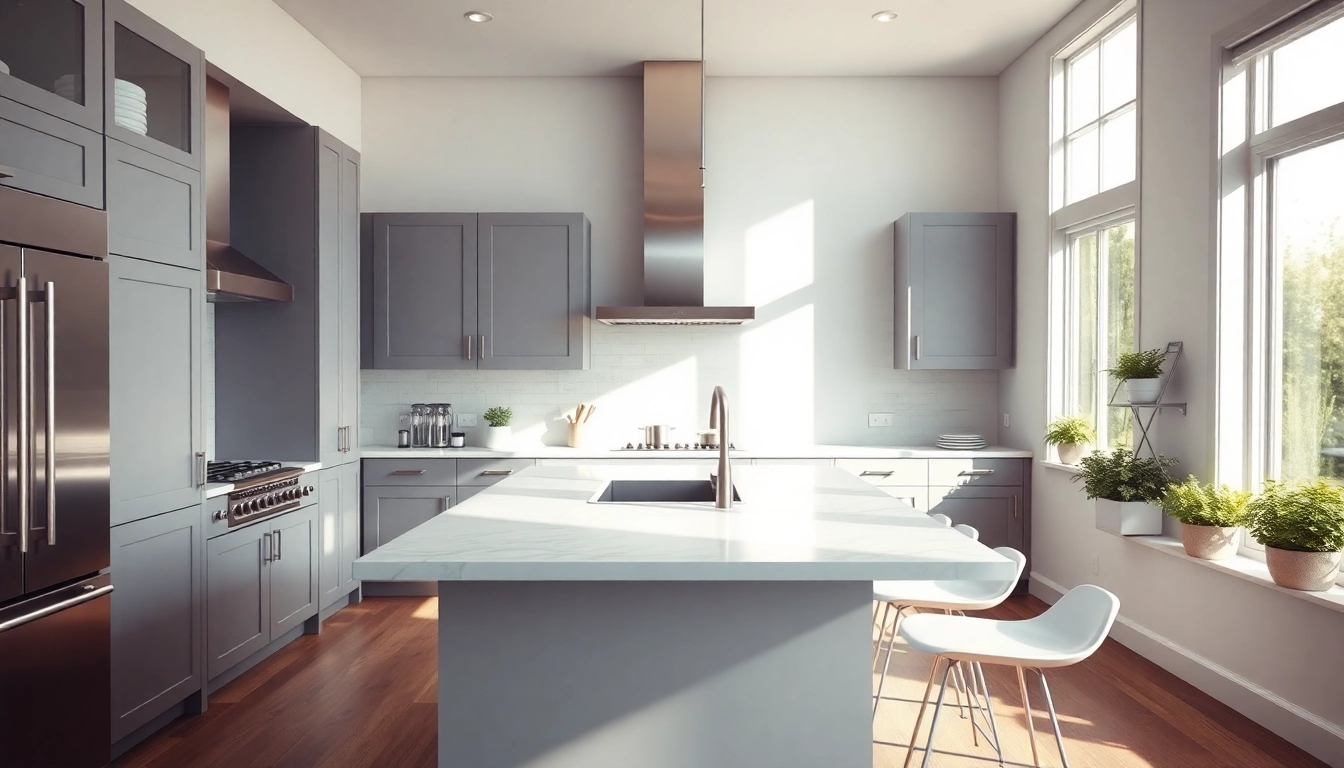
- Kitchens: Kitchen renovations often involve updating cabinetry, countertops, flooring, and appliances to create a more functional and appealing culinary space.
- Bathrooms: This could include renovating showers, bathtubs, vanities, and toilets to enhance comfort and style.
- Basements: Many homeowners choose to renovate basements to increase usable square footage, turning them into living areas, offices, or recreation spaces.
- Outdoor Spaces: Enhancements such as decks, patios, and landscaping can expand usable outdoor spaces and improve curb appeal.
- Whole House Renovations: This involves comprehensive remodeling that can transform a property into a modern living space.
Planning Your Home Renovation
Setting a Realistic Budget for Your Home Renovation
Budgeting is foundational to any successful renovation project. Before embarking on your home renovation, it is crucial to establish a realistic and detailed budget that covers all aspects of the work. To set your budget, begin by determining what you can afford without jeopardizing your financial stability. Consider factors like project materials, labor costs, permits, and unexpected expenses. It is also wise to set aside a contingency fund, typically 10-15% of your overall budget, for unforeseen costs that may arise during construction.
Creating a Comprehensive Renovation Timeline
Creating a timeline helps ensure that the renovation process stays organized and meets your target completion date. Begin by defining the scope of the project and dividing it into smaller, manageable tasks, specifying who will be responsible for each. Allocate realistic time frames for each phase, taking into account potential delays due to material availability, scheduling conflicts with contractors, and other unforeseen issues. Establishing milestones and consistently checking progress against your timeline promotes accountability and helps ensure that your renovation project remains on track.
Design Considerations for Home Renovation
Design is a crucial element of renovation. Effective design considers aesthetics, functionality, and how the new space will align with your lifestyle. Begin by researching current home design trends to inspire your ideas, acknowledging that timeless designs often yield excellent long-term results. Engage in the creation of mood boards, which can help visualize the color schemes, materials, and furniture that will contribute to your space. Consider consulting with a design professional to incorporate innovative ideas that enhance the functionality and style of your renovated areas.
Implementing Home Renovation Projects
Choosing the Right Materials and Finishes for Home Renovation
The selection of materials and finishes plays a significant role in the success of home renovation projects. The materials chosen should align with the functional requirements, aesthetic goals, and budget constraints. When selecting materials, consider their durability, maintenance requirements, and sustainability. Options like reclaimed wood, low-VOC paints, and energy-efficient fixtures not only develop the look of your home but also contribute to a lower environmental impact, enhancing both sustainability and indoor air quality.
Hiring Professionals vs. DIY Approaches in Home Renovation
One of the most significant debates in home renovation surrounds whether to hire professionals or undertake a DIY approach. While DIY renovation projects can be fulfilling and cost-effective, they can also be time-consuming, requiring a steep learning curve for more complex tasks. Hiring professionals can guarantee quality work and save time, particularly for extensive renovations that require specialized skills such as plumbing, electrical, or major construction work. Evaluating the scope of your project and your skill set will guide your decision on the best approach.
Essential Tools for Your Home Renovation
Having the right tools is essential for executing renovation projects with precision. Depending on the nature of your renovation, basic tools may include:
- Power drills
- Measuring tools (tape measure, level)
- Hand tools (hammer, screwdriver, pliers)
- Cutting tools (saws, utility knives)
- Safety gear (gloves, goggles, dust masks)
Invest in quality tools that will stand the test of time, and ensure you are familiar with their operation before beginning any project.
Maximizing Value Through Home Renovation
Smart Renovations That Boost Home Value
While home renovations can be a personal reflection of one’s style, certain projects are known to provide a higher return on investment. Kitchen and bathroom remodels typically yield a high ROI, as they are two of the most frequented spaces in a home. Other impactful renovations include enhancing curb appeal through landscaping enhancements, upgrading HVAC systems for energy efficiency, and adding energy-efficient windows. Conducting thorough research to ascertain which renovations are most valued in your market can provide significant payoffs when it comes time to sell.
Eco-Friendly Renovation Ideas for Sustainable Living
In the modern era, sustainability is at the forefront of homeowners’ minds. Eco-friendly renovations not only benefit the environment but can also lead to long-term savings on energy costs. Consider using sustainable materials such as bamboo flooring or recycled glass tiles. Incorporating energy-efficient appliances, solar panels, and insulation can dramatically reduce a home’s carbon footprint. Additionally, using low-VOC paints and finishes can improve indoor air quality, benefiting both the environment and the health of occupants.
Staging Your Home Post-Renovation for Sale
Once renovations are complete, staging becomes paramount to showcasing your home’s potential. Effective staging highlights the functionalities of each space, allowing potential buyers to envision themselves in the environment. Begin by decluttering and depersonalizing the space, incorporating neutral colors and minimal furnishings to create an inviting atmosphere. Hiring a staging professional can provide an objective perspective and strategic insight into how best to present your home, ultimately leading to increased interest and potentially higher offers.
Home Renovation Maintenance and Trends
Regular Maintenance Tips After Home Renovation
Maintenance is crucial for preserving the integrity and appearance of newly renovated spaces. Establishing a regular maintenance schedule can prolong the life of finishes and materials. Key maintenance actions include checking for leaks, cleaning gutters, inspecting structural elements, and refreshing paint as necessary. Being proactive can prevent costly repairs in the future and keep your home looking its best.
Current Trends in Home Renovation
The home renovation landscape is continually changing, influenced by new design ideas, technology, and sustainability efforts. Some prevailing trends include open floor plans, use of natural materials, biophilic design principles that incorporate nature into interiors, and the integration of smart home technologies. Staying informed about these trends can inspire your renovation plans and ensure your home reflects modern preferences and functionalities.
Future-Proofing Your Home Renovation
Future-proofing your home renovation involves considering the longevity of your choices. Invest in timeless designs, adaptable spaces that can be altered as needs change, and energy-efficient systems that facilitate long-term cost savings. Stay updated on evolving innovations in both home technology and sustainable materials to ensure your renovations remain relevant and beneficial for years to come. By planning with foresight, you can create a home that is not only functional today but also easily modifiable for future lifestyles and technologies.