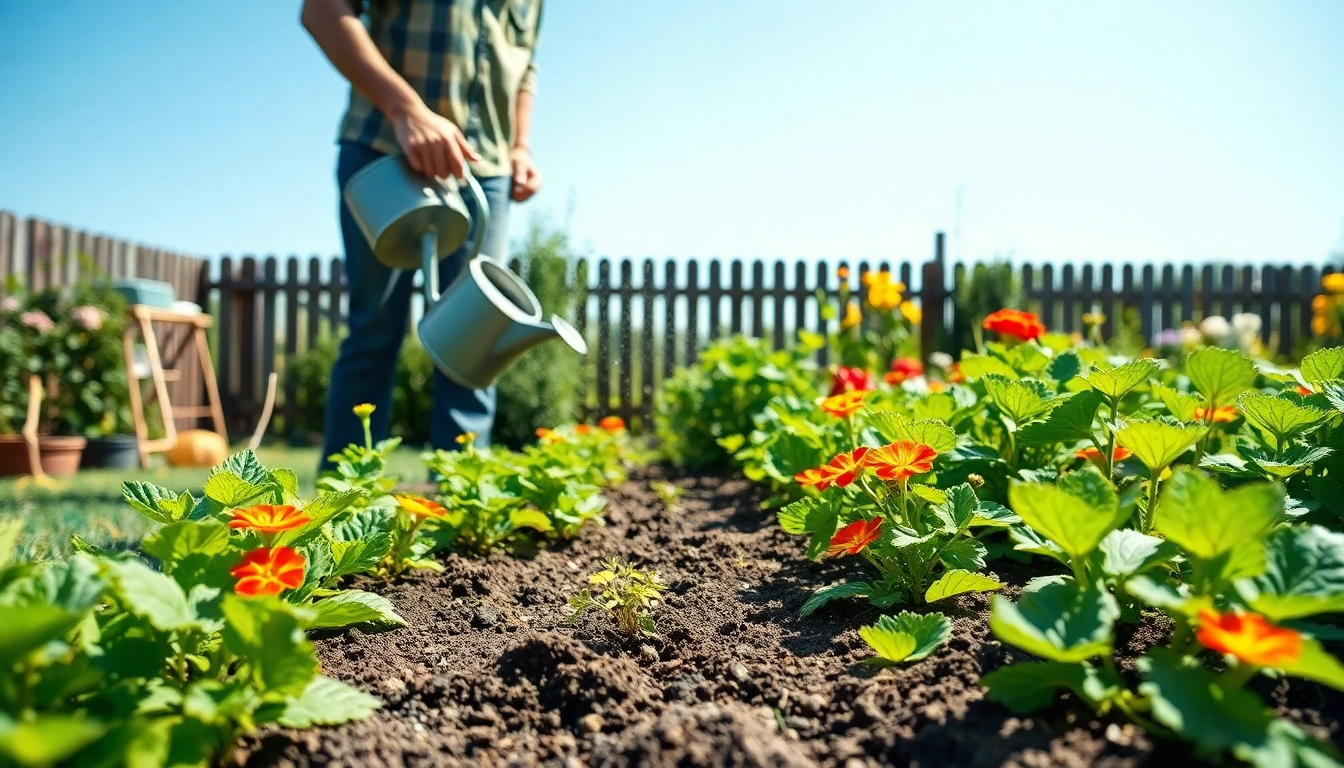
Introduction to Gardening Basics
Gardening is a rewarding and fulfilling hobby that allows individuals to connect with nature, cultivate beauty, and enjoy the satisfaction of nurturing life. For some, it’s a passion; for others, a necessity. Whether you are contemplating starting a small vegetable patch or dreaming of a vibrant flower garden, understanding the fundamentals of Gardening is essential. This guide aims to equip you with the core concepts, practical tips, and advanced techniques needed to flourish in your gardening endeavors.
Understanding Soil Quality
Soil is the heart of any garden. It provides the necessary nutrients and structure that plants need to thrive. Understanding soil quality is the first step towards a successful garden. Ideally, good soil should have a balanced composition of sand, silt, clay, and organic matter. Testing your soil can help you understand its pH level and nutrient content.
To improve soil quality, consider the following:
- Soil Testing: Use a soil test kit to determine pH and nutrient levels.
- Organic Matter: Incorporate compost or well-rotted manure to enrich soil texture and fertility.
- Drainage: Ensure your garden has adequate drainage to prevent root rot.
A well-structured soil supports healthy root systems, promotes water retention, and encourages beneficial microbial activity, which can significantly enhance plant health.
Choosing the Right Plants
Choosing the right plants is crucial for a harmonious garden. Consider the climate zone, soil type, and whether you want edible or ornamental plants. Here are some strategies to help with plant selection:
- Climate Compatibility: Select plants that thrive in your climate zone to ensure optimal growth.
- Diversity: Incorporate a mix of plant species to promote biodiversity and resilience.
- Native Plants: These plants are well adapted to local conditions and require less maintenance.
By understanding the characteristics and needs of various plants, you can create a more sustainable and attractive garden that requires less intervention.
The Importance of Sunlight
Sunlight is a critical factor in gardening. Different plants have different light requirements, and understanding these can dramatically impact their growth. Here’s what to consider:
- Full Sun (6-8 hours): Ideal for most vegetables and flowering plants.
- Partial Shade (3-6 hours): Suitable for herbs and some bulbs.
- Full Shade (less than 3 hours): Best for ferns and woodland plants.
Map the sunlight patterns in your outdoor space to better plan where to place your plants, ensuring that each one receives the amount of light it needs to flourish.
Essential Tools for Gardening
Equipping yourself with the right tools can enhance the gardening experience, making tasks easier and more efficient. Here are some essential tools and maintenance tips to get started.
Must-Have Gardening Tools
Investing in quality tools is essential for any gardener. Here’s a list of must-have tools that can make your gardening tasks simpler:
- Hand Trowel: Great for digging holes, planting, and transferring soil.
- Pruning Shears: Essential for trimming and shaping plants.
- Garden Fork: Useful for turning and loosening soil.
- Watering Can: Ideal for gentle watering, especially for seedlings.
- Spade: Perfect for larger digging tasks.
These tools not only help in planting and maintaining but also encourage good practices such as proper pruning and soil rotation.
How to Maintain Tools for Longevity
Keeping your tools in top condition ensures longevity and efficient gardening. Follow these simple steps to maintain your tools:
- Clean After Use: Remove dirt and debris after each use to prevent rusting.
- Sharpen Blades: Regularly sharpen blades of shears, hoes, and other cutting tools.
- Store Properly: Store tools in a dry, protected place to prevent damage.
Consistent maintenance can prolong the life of your gardening tools and enhance your gardening experience.
Innovative Gardening Accessories
Investing in innovative accessories can boost your gardening efficiency. Some intriguing options include:
- Self-Watering Planters: Reduce the necessity for daily watering.
- Garden Kneeler and Seat: Provides comfort while working at ground level.
- Plant Labels: Help keep track of plant types and varieties.
Exploring these accessories may result in a more enjoyable and productive gardening journey, helping you to focus on nurturing your plants.
Effective Gardening Techniques
Implementing practical gardening techniques can make a significant difference in the health and productivity of your plants. Below are effective methods for watering, fertilizing, and pest management.
Watering Best Practices
Watering techniques play a critical role in plant health. Here are some best practices for maintaining optimal moisture levels:
- Deep Watering: Water deeply once a week rather than shallow and frequent watering to encourage deep root growth.
- Mulching: Use organic mulch to retain moisture and suppress weeds.
- Time of Day: Water early in the morning or late in the afternoon to reduce evaporation.
Adopting effective watering techniques can prevent water stress and improve overall plant vigor.
Fertilization Strategies
Proper fertilization is crucial for healthy plant growth. Here’s how to effectively nourish your garden:
- Organic Fertilizers: Use compost or organic fertilizers to provide essential nutrients.
- Follow a Schedule: Fertilize during the growing season and stop in late fall.
- Know Your Plants: Different plants have unique needs; tailor your fertilization approach accordingly.
Understanding and implementing the right fertilization strategies can result in thriving plants and bountiful harvests.
Weed and Pest Management
Managing weeds and pests is a vital aspect of gardening. Implementing effective strategies can save your garden from potential harm:
- Mulching: Suppresses weeds and retains moisture.
- Companion Planting: Plant species that deter pests next to vulnerable plants.
- Regular Monitoring: Inspect plants regularly for signs of pests or disease.
By proactively managing weeds and pests, you can create a healthier and more productive garden environment.
Creating a Sustainable Garden
Sustainability in gardening is about working with nature rather than against it. Adopting eco-friendly practices can lead to a thriving garden that benefits both you and the environment.
Composting for Nutrient-Rich Soil
Composting is an excellent way to recycle kitchen and garden waste while enriching the soil. Here’s how to get started:
- Composition: Combine green materials (nitrogen-rich) and brown materials (carbon-rich).
- Maintenance: Turn the compost pile regularly to aerate and speed up decomposition.
- Usage: Use finished compost as a top dressing or mix into soil for improved fertility.
Composting creates a natural cycle of growth, enriching your garden while minimizing waste.
Planting for Biodiversity
Encouraging biodiversity in your garden promotes a balanced ecosystem and enhances plant resilience. Consider these options:
- Mix Plant Species: A diverse garden attracts beneficial insects and pollinators.
- Native Plants: Incorporate local flora that supports indigenous wildlife and requires less care.
- Habitat Creation: Include features like water sources and shelter for wildlife.
Nurturing biodiversity not only makes a garden more beautiful but also fosters a healthier environment.
Utilizing Native Plants
Native plants are species that occur naturally in a given area and have adapted to the local environment. Here’s why you should consider them:
- Low Maintenance: Native plants require less water and care than non-natives.
- Wildlife Friendly: They provide food and habitat for local wildlife.
- Resilience: Native plants are typically more resistant to local pests and diseases.
Utilizing native plants can significantly benefit your garden and contribute to local biodiversity.
Advanced Gardening Practices
For those looking to take their gardening skills to the next level, advanced techniques can open new avenues for creativity and productivity.
Hydroponics and Aquaponics
Hydroponics and aquaponics are innovative growing methods that require no soil. Here’s an overview:
- Hydroponics: Plants grow in nutrient-rich water solutions. Great for maximizing space and production.
- Aquaponics: A symbiotic relationship between fish and plants allows for a sustainable approach to growing food.
- Benefits: These methods minimize water usage and can be conducted indoors or in limited spaces.
These advanced practices not only produce healthy crops but also contribute to sustainability.
Vertical Gardening Techniques
Vertical gardening is an excellent way to maximize space, particularly in urban environments. Here’s how to implement it:
- Wall Planters: Use shelves or pockets designed for plants to utilize vertical space.
- Vertical Frames: Construct frame systems to support climbing plants like cucumbers and beans.
- Hanging Planters: Suspend pots or containers to add levels to your garden.
Vertical gardening enhances aesthetics while allowing for creative expression and efficient use of space.
Seasonal Gardening: What to Plant When
Understanding the seasons is critical for gardening success. Here’s a basic guide on seasonal planting:
- Spring: Focus on cool-season crops like lettuce and peas, as well as planting perennials.
- Summer: Plant warm-season crops like tomatoes, peppers, and squash.
- Fall: Start planting root vegetables and prepare for winterizing perennials.
- Winter: Plan for the next season by researching and beginning seed starting indoors.
By aligning your planting schedule with the seasons, you’ll enjoy better yields and a more fruitful gardening experience.