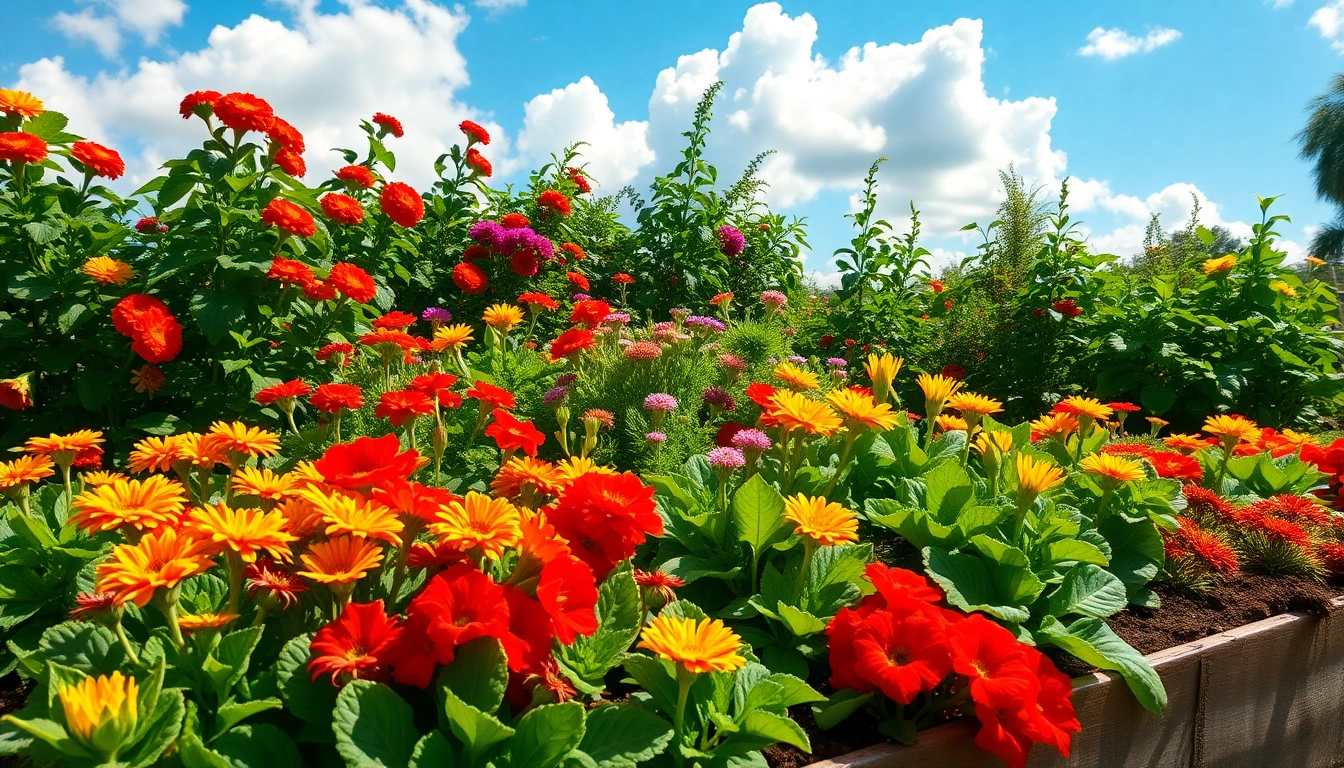
Understanding the Basics of Gardening
What is Gardening?
Gardening is the practice of growing and cultivating plants in various environments, whether in your backyard, on a balcony, or within indoor spaces. It encompasses a range of activities including planting flowers, vegetables, and herbs, as well as maintaining the aesthetics and health of these plants. Essentially, gardening is more than just an outdoor hobby; it’s a stress-relieving activity and a way to nurture life. Engaging in Gardening can foster a connection with nature and provide fresh produce or ornamental plants as a reward for your labor.
The Importance of Soil Quality
Soil quality serves as the foundation for successful gardening. Healthy soil is rich in organic matter, nutrients, and microorganisms that support plant growth. To ensure optimal soil health, conduct a soil test to determine pH levels and nutrient deficiencies. Methods such as adding compost, mulch, and organic fertilizers can enhance soil fertility over time. Remember, the better the soil quality, the more robust and resilient your plants will be against diseases and pests.
Choosing the Right Plants for Your Space
Selecting plants suited to your specific environment and geographical location is crucial. Consider factors such as climate, soil type, and sunlight when choosing plants. Native plants generally require less maintenance as they are adapted to local conditions. Additionally, grouping plants according to their water needs can improve efficiency in watering and maintenance. Always aim for a balanced mix of annuals, perennials, and perhaps some shrubs or trees to create a diverse and sustainable garden.
Successful Gardening Techniques
Creating a Gardening Plan
A well-thought-out gardening plan can significantly increase your chances of success. Begin by outlining your gardening goals, whether it’s aesthetic appeal, vegetable production, or environmental improvement. Sketch a layout and take note of existing conditions like light, shade, and water access. Planning for seasonal rotations and plant diversity can also minimize pest outbreaks and diseases while maximizing harvest and flowering times.
Watering Best Practices
Watering techniques can vary widely based on plant requirements and environmental conditions. A good rule of thumb is to water deeply and infrequently rather than shallowly and often. This encourages root development and resilience to drought. Implementing mulching practices can help retain soil moisture and regulate temperature. Additionally, consider using drip irrigation methods for efficiency and reducing water wastage.
Seasonal Gardening Tips
Understanding seasonal changes is essential for effective gardening. Each season presents unique opportunities, whether it’s planting cool-weather crops in early spring or preparing your garden for winter. Make sure to rotate crops yearly to improve soil health and reduce the risk of disease. Fertilization practices should also change based on the season to support plant growth appropriately.
Tools and Equipment for Effective Gardening
Essential Gardening Tools for Beginners
Getting started with gardening doesn’t require a plethora of tools. Essential items include a spade, trowel, pruning shears, watering can or hose, and gloves. Invest in quality tools that will last and keep your gardening experience enjoyable. For larger gardens, consider purchasing wheelbarrows, rake, and hoes as well. Remember, the right tools can make all the difference, enhancing efficiency and comfort while tending to your plants.
Tips for Maintaining Your Equipment
Regular maintenance of your gardening equipment prolongs its life and keeps it functioning effectively. Clean tools after each use, removing dirt, sap, and debris. Sharpen blades to promote cleaner cuts and minimize plant damage. Store tools in a dry place to prevent rust and wear, and check them periodically for any necessary repairs.
Choosing Eco-friendly Supplies
As the awareness of environmental issues increases, many gardeners are turning to eco-friendly methods and supplies. Opt for organic fertilizers and natural pest control measures, such as companion planting and introducing beneficial insects. Additionally, consider sustainable potting mixes and biodegradable planting containers to minimize your carbon footprint while gardening.
Common Gardening Challenges and Solutions
Dealing with Pests and Diseases
Pest infestations and diseases can quickly undermine gardening efforts. Implement a holistic approach to manage these issues, starting with prevention strategies such as crop rotation, companion planting, and encouraging natural predators. If pests do appear, utilize organic pesticides as a first line of defense. Regular observation of your plants for early signs of trouble can help mitigate problems before they escalate.
Managing Weather Challenges
Weather conditions can be unpredictable, affecting the success of your gardening endeavors. Preparing for extreme weather includes using row covers to protect from frost or excessive heat. Building raised beds can improve drainage during heavy rains while serving as a great way to manage soil temperature. Utilizing windbreaks can also shield delicate plants from strong gusts, ensuring their survival.
Addressing Soil and Fertility Issues
Soil problems often manifest as poor plant growth or decreased yields. Signs such as stunted growth, yellowing leaves, or barren patches may indicate nutrient deficiencies. Conducting periodic soil tests and amending soil with organic materials improves fertility. Involving cover crops in your rotation can also reinvigorate nutrient levels while preventing erosion.
Expanding Your Gardening Knowledge
Joining Gardening Communities
Joining gardening clubs or online communities offers invaluable support and learning opportunities. Engaging with fellow gardeners can provide insights into local growing conditions, pest management strategies, and plant selection. You can share experiences and gather advice, which can be especially helpful for beginners navigating their first gardening season.
Utilizing Online Resources and Courses
As gardening practices continually evolve, taking advantage of online resources and courses expands knowledge. Websites, webinars, and YouTube channels feature expert gardeners who share techniques, troubleshooting tips, and innovative ideas to maximize your gardening potential. Many universities also offer free or low-cost courses in horticulture and sustainable practices.
Keeping Gardening Records for Improvement
Maintaining gardening records is a powerful tool for improving yields and managing your garden efficiently. Document what you plant, when you plant it, weather conditions, and any notable successes or failures. Over time, these records provide insights into trends, allowing for informed decisions regarding future planting, pest management, and soil amendments.