Understanding the Basics of Fly Fishing Net
What is a Fly Fishing Net?
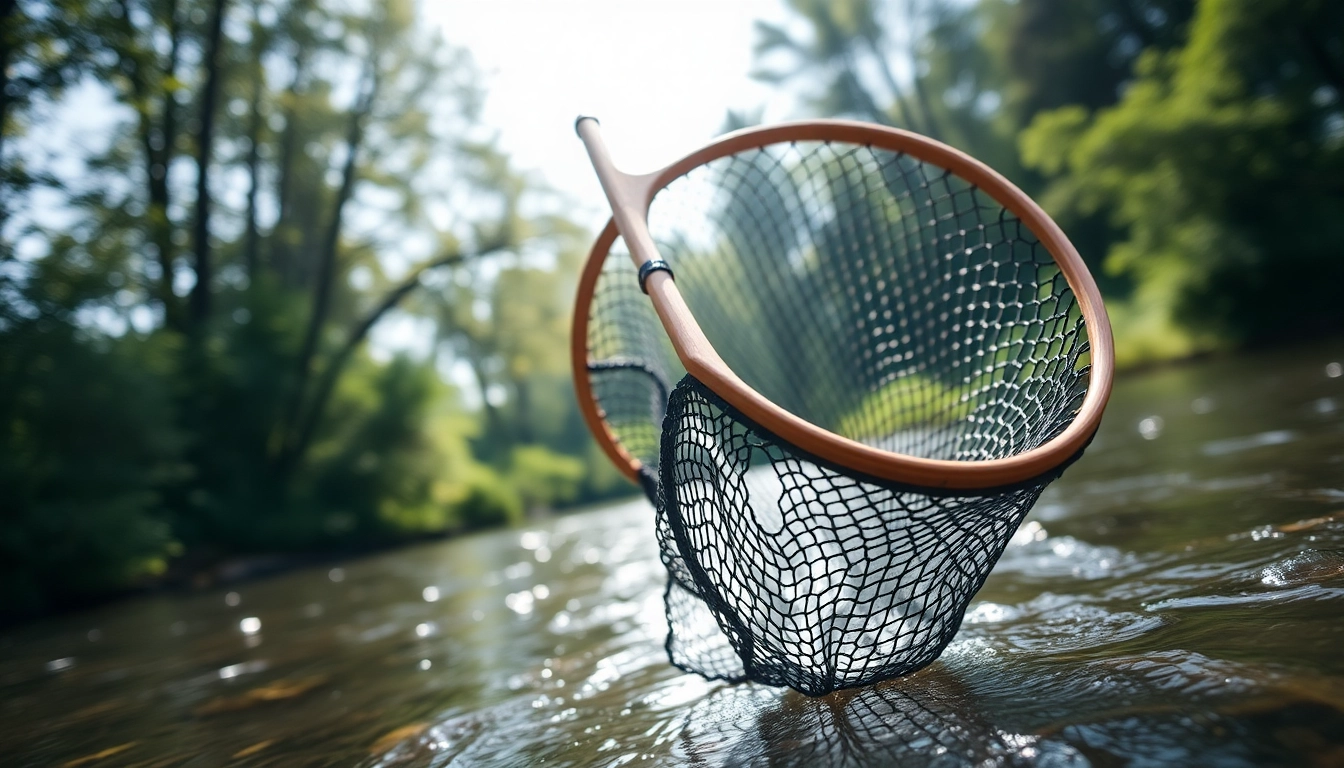
A Fly fishing net is a specialized landing tool designed specifically for capturing fish in a way that minimizes harm to them. Unlike standard fishing nets, fly fishing nets are typically crafted with a broader, shallow hoop and a finer mesh, which makes them ideal for safely landing fish caught using flies. The design often incorporates a handle of varying lengths to allow anglers to reach fish in different types of water, such as low rivers or high banks.
Importance of a Quality Fly Fishing Net
Investing in a quality fly fishing net plays a crucial role in both the fishing experience and the conservation of fish populations. A well-designed net facilitates easier handling, ensuring that fish can be landed quickly without excessive stress or injury. This is particularly important for catch-and-release fishing, where the aim is to ensure the fish’s survival post-capture. Moreover, using a high-quality net can enhance your overall fishing efficiency—saving time and effort while maximizing your chances of a successful catch.
Common Materials Used in Fly Fishing Nets
Modern fly fishing nets are crafted from a variety of materials, each offering unique advantages:
- Wood: Wooden nets are favored for their aesthetic appeal and durability. They are often constructed from hardwoods like ash or maple and can withstand wear and tear in rugged environments.
- Aluminum: Lightweight aluminum nets are popular for their portability. They are corrosion-resistant, making them ideal for anglers who fish in saltwater environments.
- Composite materials: These nets combine the strengths of various materials, providing both strength and lightness. They generally feature rubberized mesh, which is designed to minimize harm to fish.
Selecting the Right Fly Fishing Net for Your Style
Identifying Your Fishing Environment
Your fishing environment significantly impacts the type of fly fishing net you should select. Elements to consider include:
- Freshwater vs. Saltwater: Saltwater fishing demands nets resistant to corrosion, while freshwater nets prioritize lightweight materials.
- Wade fishing: In wade fishing conditions, a shorter handle may provide ease of maneuvering.
- Boat fishing: Longer handled nets can assist in reaching over the side of a boat when landing catch.
Choosing the Right Size for Your Catch
The size of your net should be determined by the species of fish you frequently catch. A net with a larger hoop is beneficial for larger species, while smaller nets work perfectly for panfish or trout. It’s essential to find a balance—one that accommodates your preferred fish while remaining manageable during use.
Assessing Handle Length and Design
Handle length is another critical factor in net selection. Shorter handles can make the net more compact and easy to transport, while longer handles provide extra reach. The shape of the handle—whether it is straight, curved, or telescopic—also contributes to how easy it is to maneuver the net under varying fishing conditions.
Best Practices for Maintaining Your Fly Fishing Net
Cleaning and Storing Your Fly Fishing Net
Proper maintenance of your fly fishing net ensures longevity and functionality. After each use, rinse your net in freshwater to remove debris and salt, which can degrade materials over time. For nets with rubberized mesh, using soap and water might be necessary to eliminate odors and bacteria.
Storage is just as essential; keep your net in a cool, dry place away from direct sunlight to prevent material degradation. If possible, store it in a soft bag to safeguard against scratches and other damage.
Checking for Damage and Wear
Before each fishing trip, inspect your net for any signs of wear, such as fraying mesh, cracks in the hoop, or loose handles. These issues can compromise the net’s performance, affecting your ability to land fish safely. Repair or replace damaged nets as necessary to ensure effective usage.
When to Replace Your Fly Fishing Net
Even with careful maintenance, nets have a finite lifespan. Signs it may be time for a replacement include persistent damage, such as tears in the netting or severe corrosion of the frame. If your net no longer performs effectively, it’s advisable to seek out a new model to maintain your fishing success and protect the fish you catch.
Advanced Techniques for Using Your Fly Fishing Net
Safety Practices for Catch-and-Release
Using a fly fishing net properly can significantly impact the outcome of catch-and-release practices. Techniques such as wetting your net before use minimize slime loss on the fish, which is essential for their health. When landing fish, aim to keep them in the water as much as possible and use a gentle scoop to prevent injury.
Techniques for Landing Fish Safely
When it comes time to land your fish, the right technique can make all the difference. Instead of lifting the fish out of the water, slide the net under it from behind—this method eases stress on the fish and reduces the chances of a successful escape. Additionally, try to avoid the fish’s head as you guide it into the net, since fish are naturally inclined to swim away from perceived threats.
Utilizing Your Net in Different Fishing Conditions
Different fishing situations call for diverse net techniques. For rapid waters, quick motions combined with a steady hand may help in efficiently capturing a fish before it escapes. In calm waters, smoother actions may make it easier to maneuver into position. Adapt your net handling technique based on current conditions to enhance your success rate.
Where to Buy Quality Fly Fishing Nets
Evaluating Online Retailers for Fly Fishing Nets
Shopping for a fly fishing net online offers convenience but requires careful consideration. Ensure the retailer you choose provides comprehensive product descriptions, user reviews, and clear return policies. Look for retailers specializing in fishing gear, as they tend to carry higher-quality products.
Understanding Price Points and What to Expect
Fly fishing nets can vary widely in price. Basic models may start under $50, while high-performance nets can range into the hundreds. It’s crucial to assess your needs and budget, prioritizing quality and durability over the lowest price. A well-constructed net will often be a better investment in the long run.
Community Recommendations and Reviews
Before making a purchase, seek insights from the fishing community. Social media platforms, forums, and product review sites can provide valuable feedback on various net options. Engaging with fellow anglers can lead you to discover lesser-known brands that may offer exceptional quality at competitive prices.