Understanding Different Dining Tables Styles
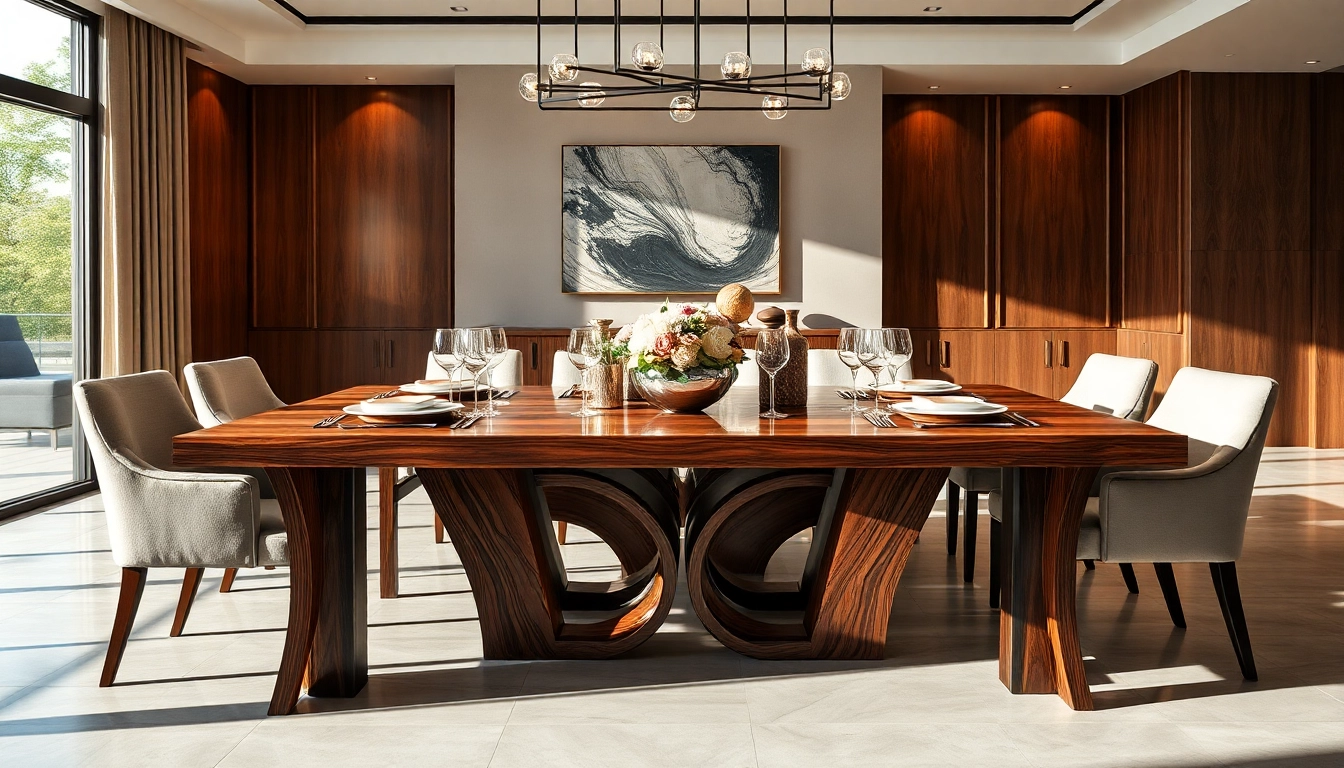
The dining table is often the centerpiece of a home, serving as a gathering place for family and friends. Understanding the different styles of Dining tables available can help you select the perfect piece that resonates with your aesthetic and practical needs. In this section, we will explore various dining table styles, each offering unique charm and functionality.
Classic Dining Tables: Timeless Beauty
Classic dining tables are characterized by their elegance and traditional craftsmanship. These tables often feature ornate detailing, rich woods, and intricate designs that exude a sense of history and sophistication. They can range from formal styles, which may be used in upscale dining rooms, to more relaxed designs that fit casual family dining.
A classic dining table is often made from high-quality woods such as mahogany, cherry, or oak, and provides a sturdy, long-lasting frame. They typically come in rectangular shapes, creating a perfect layout for larger gatherings. The use of fine fabrics, such as silk or cotton tablecloths, compliments the natural elegance of these tables.
Modern Dining Tables: Sleek and Stylish
Modern dining tables reflect contemporary aesthetics, emphasizing simplicity and functionality. They are often minimalist in design, incorporating clean lines and geometric shapes. Materials used in modern dining tables often include glass, metal, and engineered woods, which create a seamless, streamlined look.
A hallmark of modern dining tables is versatility. Many feature extendable options, allowing you to accommodate additional guests during special occasions without the bulk of permanent additional seating. The integration of soft edges and neutral colors presents an inviting atmosphere perfect for various dining experiences.
Farmhouse Dining Tables: Rustic Charm
Farmhouse dining tables embrace rustic charm, inviting warmth into your dining space. These tables often showcase the beauty of raw, unrefined materials, with visible knots and grains in the wood, lending a sense of authenticity. Less formal than their classical counterparts, farmhouse tables often serve as informal dining settings where families can gather daily.
The designs can be wide and sturdy, typically constructed from reclaimed wood, giving each table a unique character infused with history. Many farmhouse tables feature a distressed or weathered finish, enhancing their rustic appeal. Often paired with mismatched chairs, they create a cozy, casual atmosphere conducive to lively conversations and memorable meals.
Materials Used in Dining Tables
The material of your dining table can significantly impact its appearance and durability. Here, we delve into various materials commonly used in the construction of Dining tables, discussing their unique characteristics and benefits.
Wood: Natural Elegance and Durability
Wood remains a popular choice for dining tables due to its warmth and natural beauty. Solid wood tables, such as those made from oak, maple, or walnut, provide unmatched longevity and can withstand the rigors of daily use while developing a beautiful patina over time. Each piece of wood has its unique characteristics, such as color variations and grain patterns, making every table one-of-a-kind.
In addition to aesthetic appeal, various wood finishes can enhance durability. Options like lacquer, varnish, or natural oils protect the surface from scratches and stains, ensuring your table retains its beauty for years to come.
Glass: Contemporary and Chic Options
For those looking to introduce a modern touch to their dining area, glass dining tables are an excellent option. These tables often feature a glass top supported by metal or wooden bases, creating a light and airy feel in the room. Glass surfaces are easy to clean and maintain, making them practical for busy households.
However, it’s essential to consider the fragility of glass. While tempered glass is used for its strength and safety, a table with a glass top may require a gentle touch to maintain its pristine appearance. The use of glass allows for creative expression in the base design, which can range from sleek metal to rustic wood.
Metal: Industrial and Modern Choices
Metal dining tables have surged in popularity in recent years due to their industrial aesthetic and added strength. Typically made of stainless steel or powder-coated metal, these tables offer a bold statement piece for contemporary dining rooms. They are resistant to various environmental factors and are often paired with wooden or glass tops to create an intriguing contrast.
Metal tables are also often adjustable in height, making them suitable for both dining and casual settings. However, they can become cold to the touch, so pairing them with warm materials such as wood or textiles can enhance comfort during meals.
Choosing the Right Size for Your Dining Tables
Finding the ideal size for your dining table is crucial to creating a functional dining space. Considerations include the dimensions of your room, the table shape, and the number of people you intend to accommodate. Let’s explore each of these aspects in detail.
Measuring Your Space: Finding the Perfect Fit
Before purchasing a dining table, it’s vital to measure your available space accurately. A common recommendation is to leave at least 36 to 48 inches of clearance around the table for movement, which allows guests to pull out chairs and navigate easily. Use a tape measure to ensure your selected table fits seamlessly within the area without obstructing traffic flow.
Additionally, consider other furniture pieces in the room, such as sideboards or dining chairs. The right measurements will help you visualize whether the chosen table complements your dining space without overwhelming it.
Table Shapes: Round vs. Rectangle
Dining tables come in various shapes, each with distinct advantages. Rectangular tables are by far the most common, providing ample seating for larger gatherings while allowing for a linear arrangement that works in elongated dining spaces.
On the other hand, round tables promote a more intimate dining experience, making them ideal for smaller spaces or casual family dining. They facilitate conversation by allowing everyone to face one another, minimizing the distance between tablemates. Consider your entertaining needs and the shape that would work best in your home when selecting between these options.
Accommodating Your Guests: Seating Capacity
As you choose a dining table, consider how many guests you typically entertain. Standard dining tables come with various seating capacities based on their size. For instance, a rectangular table measuring 6-8 feet can comfortably accommodate 6-8 people, while a round table allows for approximately 4-6 guests depending on diameter.
Additionally, be mindful of any expandable options if you often host larger gatherings. Many modern tables come with leaf extensions that can be added or removed, offering versatility for both everyday use and special occasions. Selecting a table that reflects your hosting style will ensure that you can gather friends and family comfortably.
Accessorizing Your Dining Tables
Accessories play a vital role in enhancing the overall aesthetic of your dining table. Thoughtfully chosen decorative elements can elevate the dining experience, creating an inviting atmosphere. Let’s explore how to accessorize your dining table for both style and function.
Centerpieces: Enhancing the Aesthetic
Choosing a centerpiece for your dining table is an opportunity to express your style. This could range from a simple vase filled with seasonal flowers to a more elaborate arrangement including candles or decorative trays. Focus on the scale and proportion of your centerpiece; it should complement the size of the table without crowding the dining space.
For formal settings, opt for symmetrical arrangements that create balance, while more casual gatherings can incorporate asymmetric designs to lend a relaxed vibe. The key is to ensure the centerpiece doesn’t obstruct views or conversation but enhances the dining experience.
Table Linens: Color and Texture Coordination
Table linens are an essential aspect of dining table decor. They can introduce color, texture, and warmth while providing protection for the table surface. Choose materials that coordinate with your overall decor theme; for instance, linen or cotton tablecloths work well for a more relaxed, rustic feel, while silk or satin may suit formal occasions.
Layering table linens also allows for creative expression. Consider using placemats, runners, and napkins that harmonize with your color scheme. Don’t forget functional items like coasters, ensuring your table’s beauty is preserved during everyday use.
Lighting: Setting the Mood for Dining
The lighting above your dining table can significantly affect the ambiance of your dining area. Soft, warm lighting helps create a cozy atmosphere, while brighter lights can encourage a lively setting. Consider incorporating a statement chandelier or pendant light to draw the eye while providing ample illumination for meals.
Dimmer switches can also be beneficial, allowing you to adjust lighting according to the occasion, whether it’s a casual family dinner or an elegant gathering. Lighting placement is equally crucial; aim for fixtures positioned above the table to cast a warm glow on your dining experience.
Maintaining and Caring for Your Dining Tables
To preserve the beauty and functionality of your dining table, regular maintenance is essential. Proper care can prevent damage while ensuring it remains a cherished centerpiece in your home for years to come. In this section, we’ll discuss effective care strategies for various finishes and materials used in dining tables.
Daily Care: Cleaning and Protection Tips
Daily cleaning is key to maintaining your dining table. For wooden tables, use a soft, damp cloth to wipe down the surface, and ensure to dry it promptly to prevent moisture damage. Avoid using harsh chemicals that might strip the finish; instead, opt for natural cleaners or specialized wood oils designed for regular maintenance.
For glass tables, a basic window cleaner paired with a microfiber cloth effectively removes fingerprints and smudges. Regular dusting is advisable to prevent particles from scratching the surface. Consistently placing coasters under drinks and placemats under plates will also help protect against spills and heat damage.
Dealing with Scratches and Marks
Even with regular care, scratches and markings can occur on your dining table. For minor scratches on wood, a wood repair marker or wax can be applied to conceal and protect the area. For more significant damage, consider consulting a professional for refinishing or sanding.
Glass tables may need special attention for deep scratches; while these can be challenging to repair, consider using furniture polish to minimize their appearance. Alternatively, an elegant table runner can conceal imperfections while elevating your table’s aesthetic.
Long-Term Care: Sealing and Refinishing
Long-term care for dining tables varies by material. Wooden tables may benefit from periodic refinishing; applying a new coat of varnish or sealant every few years can help protect the surface from wear and tear. Additionally, maintaining consistent humidity levels in your home can prevent cracking and warping.
For glass or metal tables, it’s crucial to keep them in environments with stable temperatures and minimal exposure to sunlight, which can cause fading or warping, respectively. Following these practices will ensure that your dining table serves as a beautiful and functional centerpiece for years to come.