
Understanding Vinyl Records: The Basics
What Are Vinyl Records?
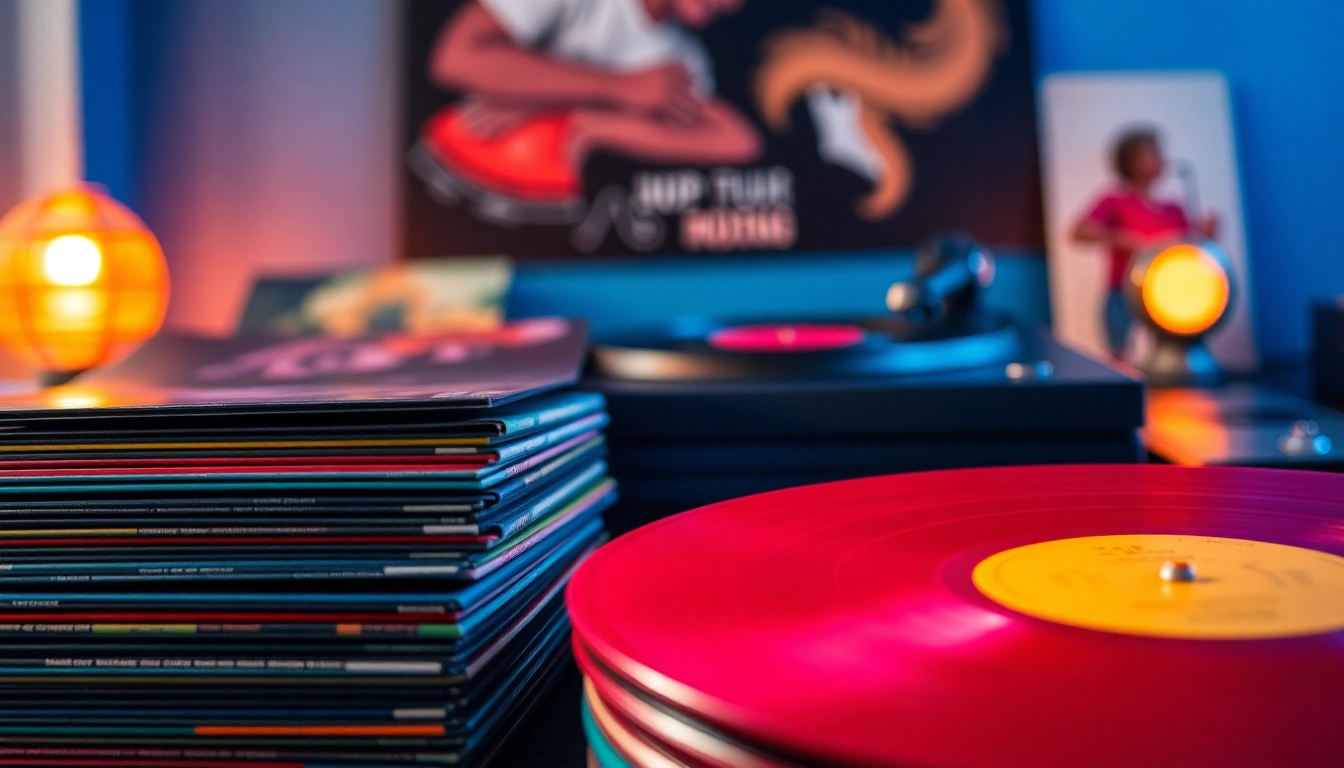
Vinyl records are an analog sound storage medium that gained prominence throughout the 20th century. Characterized by their circular, flat discs, vinyl records hold immense cultural significance and are cherished not only for their auditory quality but also for their large album artwork. Unlike digital formats that compress sound, vinyl offers a rich and warm auditory experience, revealing nuances in music that many listeners find indispensable. While many perspectives view vinyl largely as a nostalgic artifact, there’s a vibrant and active community around this format, ensuring its continued relevance. Collecting vinyl records is not merely about possession; it’s about the stories they carry, the history they represent, and the artistry they showcase.
History of Vinyl Records
The origins of vinyl can be traced back to the late 19th century, evolving from earlier formats like cylinders and shellac discs. By the late 1940s, vinyl emerged as a more durable and versatile option than its predecessors. The introduction of long-playing (LP) records revolutionized the music industry, allowing for longer playing times and improved sound quality. Over the decades, vinyl records witnessed fluctuations in popularity, facing competition from cassette tapes and compact discs. However, the early 21st century marked a renaissance for vinyl, as a new generation of music lovers sought the tangible experiences that vinyl records offer alongside their physical and visual art forms.
Popular Types of Vinyl Records
Understanding the different types of vinyl records can significantly enhance your collecting experience. The most common formats include:
- LP (Long Play): 33 1/3 RPM records that typically hold multiple tracks from an album.
- EP (Extended Play): Usually spinning at 45 RPM, these records contain fewer tracks than an LP but more than a single.
- Single: 45 RPM records typically featuring one song on each side.
- Picture Discs: Vinyl with printed designs that make them visually appealing while maintaining audio quality.
- Colored Vinyl: Records made from colored material instead of the traditional black, offering aesthetic variations.
The Art of Collecting Vinyl Records
How to Start Your Vinyl Collection
Beginning your vinyl collection can be an exhilarating journey. Start slowly by selecting records that resonate with your personal taste. Here are a few practical steps:
- Set a Budget: Decide how much you are willing to invest in your collection, aiming for quality selections over quantity.
- Research Genres: Familiarize yourself with different music genres and artists that align with your preferences.
- Visit Local Record Stores: Engaging with knowledgeable staff can help you discover unique finds and gain insights into specific releases.
- Attend Record Fairs: These events offer opportunities to connect with other collectors and find rare records.
Key Factors for Vinyl Record Value
The value of vinyl records can vary significantly based on several core factors:
- Condition: The grading of a record (Mint, Near Mint, Excellent, etc.) plays a crucial role in its value.
- Rarity: Limited editions and records from obscure artists are often more sought after.
- Pressing Variations: First pressings tend to have a higher value due to their exclusivity.
- Artwork and Packaging: Original artwork or unique packaging can enhance a record’s desirability.
- Artist Popularity: Well-known artists or albums naturally command higher prices.
Best Practices for Maintaining Vinyl Records
To preserve the integrity of your vinyl records, adhering to proper maintenance practices is paramount:
- Store Vertically: Keep records upright to prevent warping.
- Use Inner Sleeves: Protective sleeves help avoid scratches and dust accumulation.
- Clean Regularly: Use a anti-static brush before playing to remove dust and debris.
- Avoid Direct Sunlight: Keep records in a cool, dark place away from harmful UV rays.
Exploring Vinyl Records Genres
Classic Rock and Its Timeless Appeal
Classic rock remains a cornerstone of vinyl collections, with iconic bands such as The Rolling Stones, Led Zeppelin, and The Beatles still captivating audiences. The raw energy and profound lyrics found in classic rock music resonate deeply with fans, ensuring these records stand the test of time. Collectors often seek first pressings or limited edition reissues, especially of landmark albums that influenced the genre.
The Revival of Jazz and Blues on Vinyl Records
Jazz and blues have seen a resurgence in vinyl popularity, attributed to their distinct sound and rich history. Many classic jazz records have been repressed, allowing new listeners to experience legendary artists like Miles Davis and Billie Holiday. Vinyl’s natural warmth complements the live feel of jazz and blues, appealing to both seasoned aficionados and newcomers alike. Specialty labels often release exclusive colored vinyl or box sets, elevating the collector’s experience.
Expanding Horizons: Indie and Contemporary Vinyl Records
The contemporary music scene boasts an impressive array of indie artists who are increasingly releasing their music on vinyl. This resurgence is not merely a trend; it reflects the artist’s desire to provide a tactile, collectable format for fans. Labels specializing in indie music often release limited runs, enhancing its exclusivity. Record shops are now regularly stocked with new indie releases, catering to the demand for fresh vinyl.
How to Play and Care for Vinyl Records
Selecting the Right Turntable
The foundation of enjoying vinyl records lies in selecting a high-quality turntable. When choosing your turntable, consider the following features:
- Drive Type: Belt-drive turntables often provide better sound quality compared to direct-drive models.
- Built-In Preamp: If you’re new to vinyl, a model with a built-in preamp simplifies setup.
- Build Quality: Heavier turntables generally offer better stability and reduced vibrations.
- Adjustability: Higher quality turntables allow for adjustment options that can improve sound quality.
Tips for Proper Setup and Calibration
A well-calibrated turntable ensures optimal sound quality. Follow these tips for effective setup:
- Leveling: Use a bubble level to ensure your turntable is perfectly flat.
- Tracking Force: Adjust the counterweight on the tonearm to set the correct tracking force based on the cartridge specifications.
- Anti-Skate Adjustment: Ensure your anti-skate settings align with the tracking force for balanced playback.
- Speaker Placement: Position speakers at ear level and set at an appropriate distance to enhance the stereo soundstage.
Cleaning and Storing Vinyl Records Effectively
Ensuring your records remain in superb condition involves careful cleaning and storage practices:
- Use Quality Cleansing Products: Invest in a record cleaning kit or use a mixture of distilled water and isopropyl alcohol.
- Handle with Care: Always hold records by the edge to avoid fingerprints.
- Store Horizontally: While it may seem counterintuitive, horizontal storage can help prevent warping if records are laid flat.
The Future of Vinyl Records in the Digital Age
The Resurgence of Vinyl Records in Popular Culture
In the face of rapid digitalization, vinyl records have carved out a unique niche within popular culture. The tactile experience, paired with cover art and the ritual of playing a record, fosters a multi-sensory engagement that digital formats simply cannot replicate. This resurgence is reflected in the boom of vinyl sales, which have outpaced digital downloads in some markets. Vinyl’s distinctiveness and cultural cachet continue to attract younger generations, revitalizing interest in this classic format.
Innovations in Vinyl Production and Technology
The vinyl industry is increasingly incorporating modern technology to improve production quality. Innovations in manufacturing processes, such as precision cutting and environmentally-friendly materials, are enhancing sound quality and durability. Additionally, many record labels are adopting updated digital mastering techniques to ensure that vinyl pressings sound better than ever before, bridging the gap between traditional analog and contemporary recording techniques.
Building a Community Around Vinyl Records
The vinyl community thrives on shared passion and enthusiasm, with collectors and enthusiasts finding common ground through social media, clubs, and events. Local record shops serve as modern-day gathering spots where people can discuss their latest finds, share recommendations, and trade records. Online forums, streaming playlists, and social platforms welcome newcomers and provide a space for seasoned collectors to celebrate their experiences and knowledge around vinyl records.