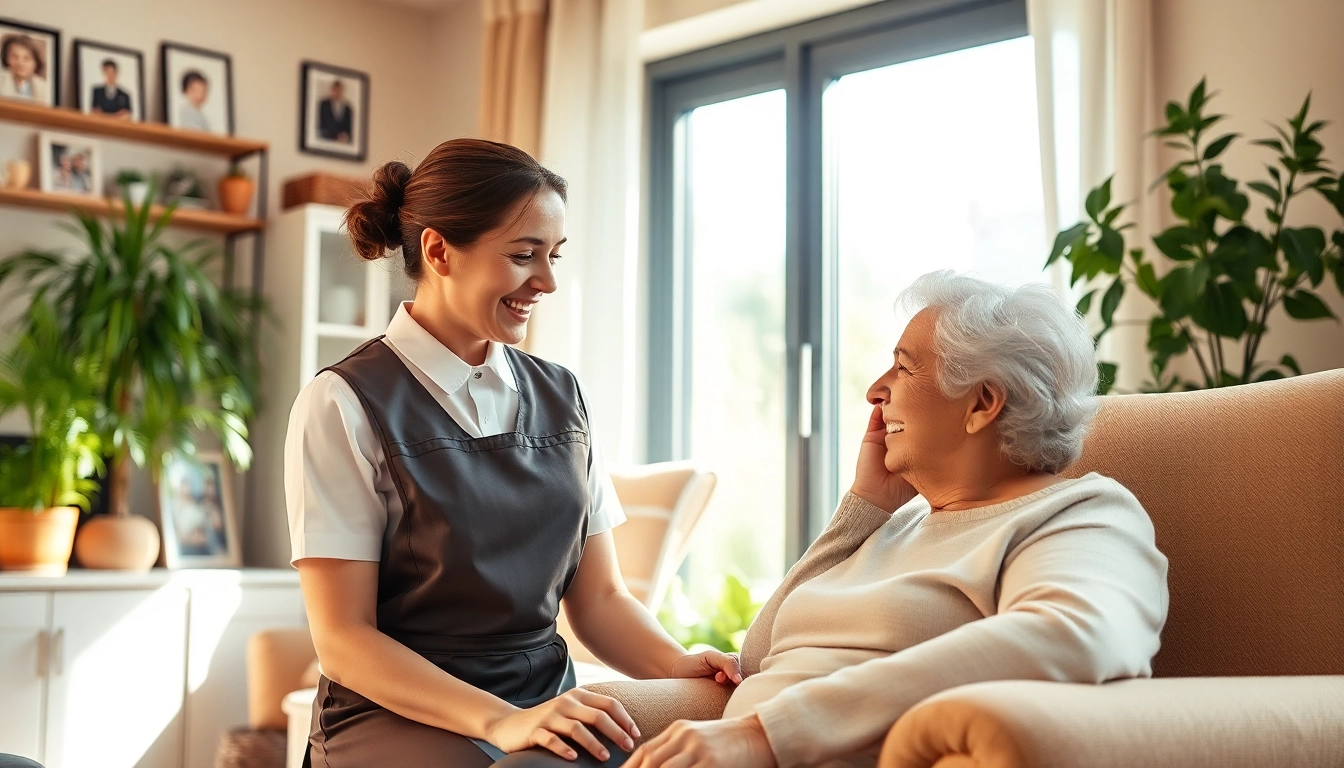

Understanding the Role of an Elderly Care Maid
Defining Responsibilities of an Elderly Care Maid
The responsibilities of an elderly care maid extend far beyond mere housekeeping. An elderly care maid plays a vital role in ensuring the well-being of seniors, assisting them with daily routines, and providing a safe and nurturing environment. Their tasks typically include helping with personal hygiene, preparing meals, managing medications, and keeping the living space tidy and safe. Additionally, they may assist with mobility, provide transportation to medical appointments, and support social interaction through companionship activities, ensuring that seniors remain engaged and active.
Key Skills and Qualities to Look For
When hiring an elderly care maid, it’s essential to look for specific skills and qualities that cater to the unique needs of seniors. Key attributes include:
- Empathy: Understanding the emotional and physical challenges seniors face is crucial for providing the right support.
- Patience: Seniors may require more time to complete tasks, and a patient caregiver will help them feel respected and valued.
- Communication Skills: Clear and compassionate communication is essential for effective caregiving, especially when coordinating with family members or healthcare providers.
- Reliability: An elderly care maid should be trustworthy and consistent in their attendance and performance.
- Adaptability: Every senior has different needs and preferences; an adaptable caregiver can adjust their approach accordingly.
Impact on Daily Living for Seniors
The impact of hiring an elderly care maid on daily living for seniors can be profound. With assistance, seniors can maintain independence in their activities of daily living (ADLs), which include bathing, dressing, grooming, and meal preparation. This support not only enhances their quality of life but also reduces the risks associated with falls and accidents at home, creating a safer living environment. Moreover, companionship helps combat feelings of loneliness and isolation, which are common among the elderly, leading to improved mental health outcomes.
Benefits of Hiring an Elderly Care Maid
Enhancing Physical and Emotional Well-Being
Engaging an elderly care maid can significantly enhance both the physical and emotional well-being of seniors. By providing assistance with physical tasks, such as mobility and personal care, the maid helps seniors maintain their health and dignity. Additionally, consistent social interaction fosters emotional support, providing seniors with a sense of belonging and happiness. The presence of a caregiver can mitigate feelings of depression and anxiety, providing a calm and reassuring presence to counteract feelings of solitude.
Providing Companionship and Support
The importance of companionship in elderly care cannot be overstated. An elderly care maid offers conversation and social interaction that can significantly brighten a senior’s day. This companionship is not only limited to engaging in conversation; it can also involve participating in activities such as playing games, going for walks, or even simply sharing meals together. This interaction can lead to a more fulfilling lifestyle, making it easier for seniors to engage with their community and recreational opportunities.
Relieving Family Caregivers
Family caregivers often face a heavy burden as they balance their own lives with the demands of caring for elderly relatives. Hiring an elderly care maid can provide much-needed respite, allowing family members to take time for themselves, which is crucial for maintaining their well-being. By sharing caregiving responsibilities, family caregivers can avoid burnout while ensuring their loved ones continue to receive quality care. This collaborative approach promotes a healthier and more supportive family dynamic.
Challenges in Finding the Right Elderly Care Maid
Common Misconceptions and Pitfalls
While the benefits of hiring an elderly care maid are clear, there are common misconceptions that can hinder finding the right fit. Many people believe that elderly care is primarily about physical assistance, overlooking the emotional and social aspects of care. Others might assume that hiring help signifies failure on the part of family caregivers, which is not the case. Understanding that elderly care maids are there to support families, not replace them, can help alleviate these misconceptions and lead to better outcomes.
Evaluating Credentials and Experience
When selecting an elderly care maid, it is crucial to evaluate their credentials and experience thoroughly. Look for any relevant certifications, such as CPR training, first aid, or specialized training in elderly care. Additionally, ask about their previous experience with seniors, particularly those with similar needs to your loved one. Conducting interviews and reference checks will provide insight into their reliability and quality of care. A good elderly care maid should come with recommendations that attest to their skills and character.
Understanding Caregiver Contracts and Terms
Before finalizing the arrangement, it is vital to understand the caregiver’s contract and the terms of engagement. This includes discussing wages, hours, duties, and any specific expectations. Additionally, knowing the terms of termination can help prevent future misunderstandings. A transparent and clear contract ensures both parties have aligned expectations and helps foster a positive working relationship from the beginning.
Best Practices for Collaborating with an Elderly Care Maid
Setting Expectations and Boundaries
Effective collaboration with an elderly care maid begins with clear communication about expectations and boundaries. Families should communicate their specific needs and preferences to the maid. For example, if a senior has dietary restrictions or particular routines, these must be clearly outlined. Establishing boundaries concerning accessibility and personal space is also necessary, ensuring everyone feels comfortable and respected.
Communicating Effectively for Better Care
Regular communication between the elderly care maid, seniors, and family members is critical for ensuring effective care. Setting up a weekly check-in can help address any challenges or concerns that arise. It’s beneficial to encourage seniors to share their feedback about the maid’s performance and their comfort level with the caregiving process. Such open lines of communication promote a more harmonious relationship and can lead to better care experiences.
Building a Supportive Relationship
Building a supportive relationship between the elderly care maid and the senior is essential for fostering a positive caregiving environment. Encouraging shared activities and open discussions can help strengthen their bond. When seniors feel genuinely cared for, they are more likely to engage positively with their caregivers, enhancing their overall well-being. A positive relationship also promotes trust, which is invaluable in caregiving situations.
Measuring the Effectiveness of Elderly Care Maid Services
Assessing Improvements in Daily Life
To determine the effectiveness of the elderly care maid’s services, it’s important to assess any noticeable improvements in the senior’s daily life. This can include monitoring their level of independence, overall happiness, and engagement in daily activities. Families can develop a checklist of areas to evaluate, such as mobility, personal care, and social interaction, to gauge the maid’s impact on the senior’s quality of life.
Collecting Feedback from Seniors and Families
Feedback is a crucial tool for measuring the care and support provided by an elderly care maid. Families should encourage their elderly relatives to provide feedback about their experience with the maid. This can occur through casual conversations or structured surveys. Collecting insights from both seniors and families will provide a well-rounded view of the maid’s performance and areas for improvement.
Adjusting Care Plans for Optimal Results
Care plans are not set in stone; they should evolve as the needs of the elderly change over time. Based on assessments and feedback, families and elderly care maids should collaborate to fine-tune care strategies to ensure they remain effective and relevant. Regular adjustments to the care plan can lead to more positive outcomes and a higher quality of life for seniors.