
Understanding Structural Steel Fabrication: Techniques, Benefits, and Applications
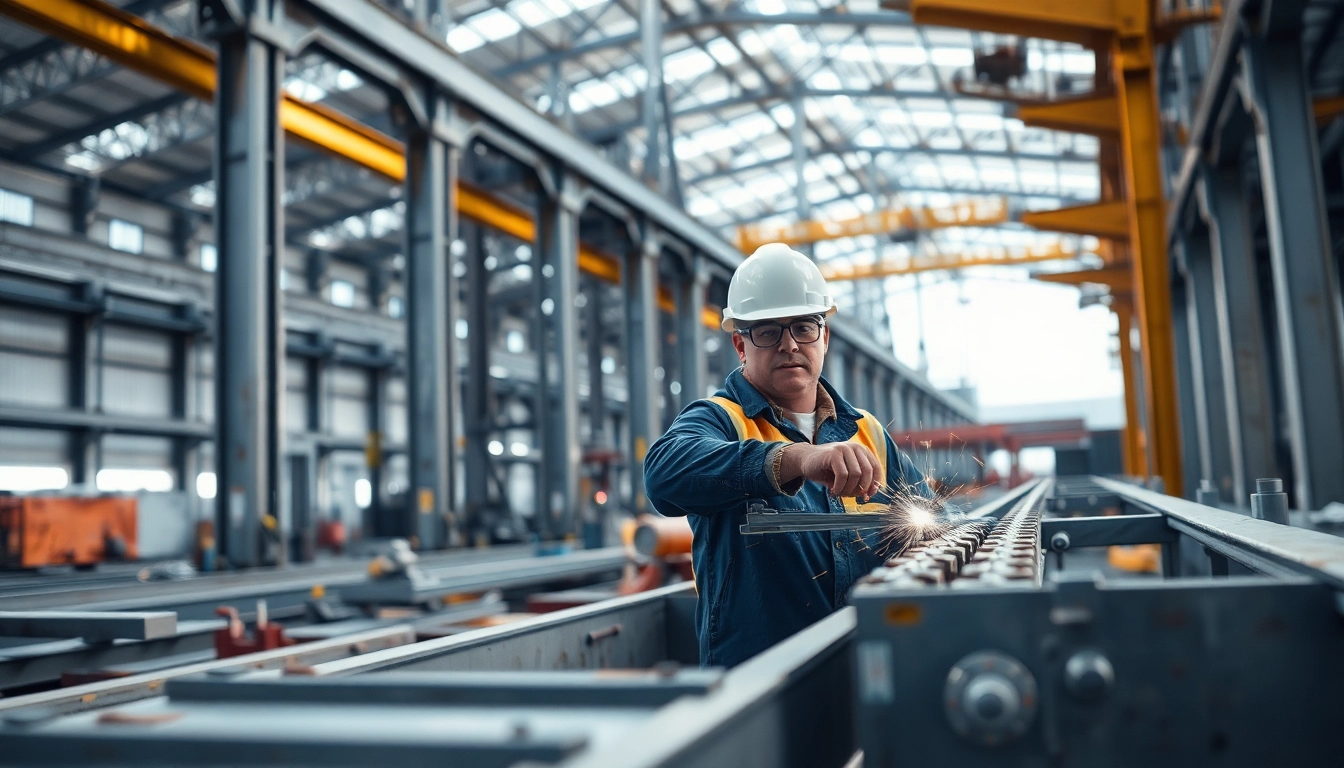
Introduction to Structural Steel Fabrication
Structural steel fabrication plays a crucial role in the construction industry, converting raw steel into sophisticated structural components required for various projects. This process encompasses a range of operations, including cutting, bending, and assembling steel to produce beams, columns, and other necessary materials. Understanding the intricacies of structural steel fabrication is vital for architects, engineers, and contractors to ensure project success.
What is Structural Steel Fabrication?
Structural steel fabrication involves transforming raw steel into finished parts that can be integrated into various structures. The fabrication process typically includes several steps, starting with the selection of steel materials, followed by cutting, shaping, and assembling the steel into its final form. The outcome is high-strength components that meet the required specifications of the design. Precision is vital during this process to ensure safety and structural integrity.
Importance of Structural Steel Fabrication
The significance of structural steel fabrication cannot be overstated. It provides the backbone for numerous construction projects, from residential buildings to skyscrapers and bridges. Steel’s inherent strength and durability make it an ideal choice for structural components. Moreover, the ability to customize the fabrication process allows for innovative designs, enabling architects and engineers to push the boundaries of modern construction.
Common Applications of Structural Steel Fabrication
- Commercial Buildings: Structural steel forms the skeleton of most commercial buildings, supporting floors, roofs, and walls.
- Bridges: The fabrication of steel components is essential for constructing durable and stable bridges.
- Industrial Facilities: Steel structures are widely used in warehouses and factories due to their strength and longevity.
- Residential Development: Custom steel elements are increasingly incorporated in homes, offering aesthetic and functional advantages.
- Infrastructure Projects: From utility towers to highways, structural steel is vital for supporting urban infrastructure.
Techniques Used in Structural Steel Fabrication
Cutting Techniques in Structural Steel Fabrication
Cutting is a fundamental phase in the structural steel fabrication process. Various methods are employed to achieve precise cuts, including:
- Laser Cutting: This method uses a high-powered laser beam to cut steel with extreme accuracy, ensuring clean edges and minimal waste.
- Waterjet Cutting: A high-pressure stream of water mixed with abrasives is used to slice through steel, offering versatility without thermal distortion.
- Saw Cutting: Techniques such as band saws or circular saws are typically used for larger sections, providing efficient and straight cuts.
Bending and Shaping Methods
Bending and shaping are crucial for creating elements that have specific geometric requirements. Common methods include:
- Press Brake Bending: This technique employs a machine to apply force to a metal sheet, creating bends at specific angles.
- Roll Bending: Steel is passed through rollers that gradually bend it into curves or arches.
- Hammer Forming: This method uses hammers to manually shape the metal over forms, allowing for unique designs.
Welding Processes in Structural Steel Fabrication
Welding is perhaps the most critical aspect of structural steel fabrication, as it ensures the assembly of components into a unified structure. The most common welding methods include:
- Shielded Metal Arc Welding (SMAW): Often known as stick welding, this method is widely used for its versatility and simplicity.
- Tungsten Inert Gas (TIG) Welding: Recognized for producing strong, high-quality welds, this technique involves using a non-consumable tungsten electrode.
- Mig Welding: Metal Inert Gas (MIG) welding is another common technique that uses a continuous wire feed to form welds, favored for its speed and ease of use.
Benefits of Using Structural Steel Fabrication
Durability and Strength
One of the most significant advantages of structural steel fabrication is the material’s inherent durability and strength. Steel is resilient to harsh weather conditions, high loads, and seismic activities, ensuring that structures maintain their integrity over time. Additionally, steel can withstand fire better than many alternative materials, providing an essential safety benefit in various applications.
Cost-Effectiveness of Structural Steel Fabrication
Choosing structural steel fabrication can lead to greater cost efficiency throughout a project’s lifecycle. Although the initial material costs may be higher compared to wood or concrete, the longevity and reduced maintenance requirements of steel often result in savings over time. Moreover, standardized fabrication processes result in lower labor costs, as projects can be completed more swiftly and efficiently.
Sustainability and Environmental Impact
Structural steel fabrication demonstrates a commitment to sustainability. Steel is infinitely recyclable, making it an eco-friendly material choice. Additionally, modern fabrication techniques are designed to minimize material waste, and energy-efficient manufacturing processes reduce the carbon footprint associated with steel production. Using recycled steel significantly contributes to lowering environmental impact in construction projects.
Common Challenges in Structural Steel Fabrication
Addressing Material Costs
Material costs can fluctuate based on market demand and other economic factors. To mitigate these challenges, it’s essential for companies to establish long-term relationships with suppliers, develop strategic sourcing strategies, and consider bulk purchasing options. Additionally, constant monitoring of market trends can provide insight into the right time for procurement.
Labor Shortages and Skill Gaps
The construction industry’s current labor shortages can impact the structural steel fabrication sector significantly. To address this issue, companies should invest in training programs that cultivate skills within the workforce. Implementing apprenticeship programs and collaborating with trade schools can help bridge the skills gap and ensure a sustainable workforce.
Project Timeline Management
Efficient project timeline management is essential to avoid delays that can impact project costs and client satisfaction. To ensure timely delivery, detailed planning, thorough scheduling, and regular progress monitoring should be implemented. Utilizing project management software can facilitate effective collaboration and streamline communication among involved teams.
Future Trends in Structural Steel Fabrication
Technological Innovations
Technological advancements are redefining the landscape of structural steel fabrication. Innovations such as 3D printing, robotics, and automation improve accuracy and reduce production times. These technologies also enable greater customization and quicker adaptations to project needs, setting new standards for efficiency and flexibility in the industry.
The Impact of Industry 4.0
Industry 4.0 heralds a new era of interconnected manufacturing processes. With the integration of the Internet of Things (IoT) and smart technologies, structural steel fabrication can achieve higher levels of precision and efficiency. Real-time data processing will support predictive maintenance and enhance decision-making, ultimately leading to improved overall performance in fabrication operations.
Growing Demand and Market Trends
The market demand for structural steel fabrication is expected to witness steady growth, driven by the increasing focus on infrastructure development, urbanization, and green building practices. As businesses focus more on sustainability, the ability to produce eco-friendly steel structures will be critical in meeting client demand while fostering environmental stewardship within the industry.
FAQs about Structural Steel Fabrication
1. What is structural steel fabrication?
Structural steel fabrication is the process of transforming raw steel into various structural components needed for construction projects, including beams, columns, and frames.
2. What techniques are commonly used in structural steel fabrication?
Common techniques include cutting, bending, and welding, with methods such as laser cutting, press brake bending, and shielded metal arc welding being widely utilized.
3. How does structural steel fabrication support sustainability?
Structural steel is recyclable, and modern fabrication processes minimize waste, contributing to eco-friendly construction practices and lower environmental impact.
4. What are the benefits of using structural steel?
Structural steel offers durability, strength, cost-effectiveness, and design flexibility, making it a preferred choice for various construction applications.
5. How are labor shortages affecting the structural steel fabrication industry?
Labor shortages can delay projects and increase costs, making it vital for companies to invest in training and apprenticeships to develop skilled workers.