Essential Insights and Tips for an Unforgettable Morocco Travel Experience
Understanding Morocco Travel: An Overview
Morocco, a country of contrasts, where the Sahara Desert meets the Atlantic Ocean and bustling cities reflect centuries of rich history and vibrant culture, is a hidden gem for travelers worldwide. For those planning a journey to this magnificent land, understanding various aspects of morocco travel is essential to create a memorable experience. This comprehensive guide delves into the geographical, cultural, and popular destinations of Morocco, offering insights that will enhance your understanding and appreciation of this fascinating country.
Geography and Climate of Morocco Travel
Morocco is located in North Africa, bordered by the Atlantic Ocean to the west and the Mediterranean Sea to the north. The country features diverse geographical landscapes, ranging from the snow-capped Atlas Mountains to the vast sands of the Sahara Desert. The country’s varied terrain influences its climate, which can be characterized mainly as Mediterranean in the coastal regions, with a more arid desert climate further inland.
Winter temperatures in Morocco can drop significantly, particularly in the mountains and desert regions, where nighttime temperatures may plummet below freezing. Summers, on the other hand, can be exceedingly hot, especially in the interior. The coastal areas remain relatively temperate and mild, making them an appealing destination year-round.
Cultural Richness in Morocco Travel
The cultural tapestry of Morocco is woven from its historical influences – Berber, Arab, and French, among others. This blend is evident in the architecture, music, food, and art. Moroccan cities such as Marrakech, Fez, and Tangier boast stunning mosques, palaces, and ancient medinas that are UNESCO World Heritage sites, showcasing intricate tile work and elaborate arches.
Morocco is also known for its vibrant festivals and traditions, such as the Fes Festival of World Sacred Music, which attracts participants from around the globe and highlights the country’s rich musical heritage.
Popular Destinations for Morocco Travel
When exploring Morocco, a few destinations stand out for their unique offerings:
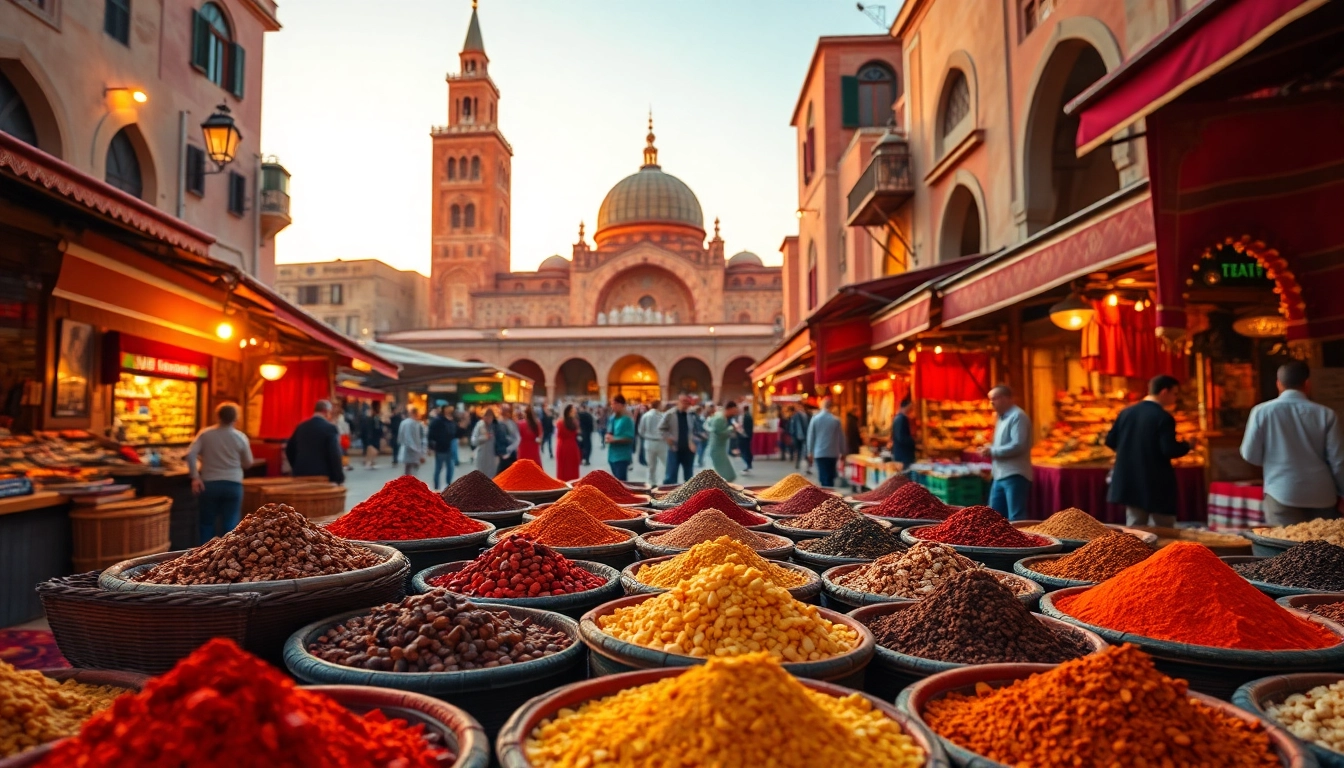
- Marrakech: Famous for its medina and souks, Marrakech offers a mesmerizing atmosphere filled with colorful spices, artisan crafts, and captivating culinary experiences.
- Fez: Renowned for its ancient university and narrow winding streets, Fez represents one of the best-preserved medieval cities in the world.
- Chefchaouen: Known as the Blue City, Chefchaouen captivates visitors with its painted buildings and stunning mountain backdrop.
- Merzouga: This desert town is famous for the nearby Erg Chebbi dunes, providing unforgettable camel trekking experiences and mesmerizing sunset views.
Planning Your Morocco Travel Itinerary
Creating a well-structured itinerary is vital for maximizing your Morocco travel experience. Each region offers unique attractions that cater to various interests, from historical exploration to adventure activities.
Best Times for Morocco Travel
The ideal time for Morocco travel is during the spring (March to May) and fall (September to November), when temperatures are milder and the landscapes are vibrant with blooming flowers or autumn colors. While summer can be sweltering, especially in the interior, coastal areas remain pleasant. Winter, although cold in the mountains, offers a unique charm, particularly for those looking to experience skiing in the Atlas Mountains.
Cultural Etiquette During Morocco Travel
Understanding local customs and etiquette is crucial when traveling in Morocco. Greetings are paramount, and a simple handshake or placing your hand over your heart while greeting others is considered polite. Dress modestly to respect the local culture, especially when visiting religious sites. It’s also customary to ask for permission before taking photographs of people, as some may find it intrusive.
Must-See Attractions When Morocco Travel
While Morocco has countless attractions, here are a few must-sees:
- Jemaa el-Fnaa: Marrakech’s bustling square transforms from a market by day to a lively hub of entertainment by night.
- The Hassan II Mosque: Located in Casablanca, it boasts the world’s tallest minaret and stunning views of the Atlantic.
- The Medina of Fez: Explore the labyrinthine streets filled with artisan shops and one of the oldest universities in the world.
- Atlas Mountains: Ideal for trekking and adventure, offering stunning vistas and opportunities to experience Berber villages.
Transportation Options for Morocco Travel
Efficient transportation enhances the overall Morocco travel experience, making it easier to move between cities and attractions.
Getting Around Major Cities for Morocco Travel
In cities like Marrakech and Fez, walking is often the best way to navigate the bustling medinas. However, for longer distances, taxis are widely available. It’s essential to agree on a fare beforehand or ensure that the meter is running in a taxi to avoid misunderstandings.
Public Transportation and Shared Rides for Morocco Travel
Morocco has an extensive bus network, with both local and long-distance options connecting major cities and towns. Buses like CTM and Supratours are known for their reliability and comfort. Shared taxis, or “grand taxis,” are another popular option for intercity travel, providing an affordable and authentic experience. However, expectations regarding comfort and convenience may vary.
Tips for Renting Vehicles During Morocco Travel
Renting a car can provide greater freedom to explore Morocco at your own pace. Be sure to rent from reputable companies and review local driving laws, as driving conditions may be different from those you’re accustomed to. Additionally, consider purchasing insurance for peace of mind.
Food and Cuisine: A Taste of Morocco Travel
The culinary landscape of Morocco is as diverse as its culture, with flavors that reflect the country’s history and regional variations.
Traditional Dishes to Try in Morocco Travel
No trip to Morocco is complete without sampling its traditional dishes. Some highlights include:
- Couscous: Often served with meat and vegetables, this dish is a staple in Moroccan cuisine.
- Tajine: A slow-cooked stew named after the earthenware pot it’s made in, featuring an array of meats and spices.
- Harira: A traditional soup made with lentils, chickpeas, and tomatoes, typically served during Ramadan.
- Pastilla: A sweet and savory pie made with pigeon or chicken, wrapped in thin pastry, and dusted with sugar.
Market Dining Experiences in Morocco Travel
Experiencing local food markets can be a highlight of your travel experience. Visiting the souks offers a chance to taste fresh produce, street food, and local delicacies. Be sure to try a refreshing glass of mint tea or local snacks like b’stilla or grilled meats from food stalls.
Recommended Restaurants Across Morocco Travel
There are countless dining options across Morocco, ranging from street vendors to fine dining. Here are a few recommendations:
- Le Tobsil (Marrakech): A hidden gem known for its ambiance and exquisite traditional dishes.
- Riad Idrissy (Fez): Offering an intimate dining experience with authenticity in every bite.
- Casa Jose (Casablanca): Known for its seafood, providing freshness from the Atlantic.
Safety and Health Considerations for Morocco Travel
While Morocco is a generally safe country for tourists, it’s essential to stay informed and aware of local customs for a hassle-free experience.
Staying Safe During Morocco Travel
When traveling throughout Morocco, practice common safety precautions such as avoiding isolated areas, being cautious of your belongings, and using reputable transportation options. It’s advisable to stay updated on local advisories and register with your embassy if necessary.
Health Tips for Travelers in Morocco Travel
Drinking bottled water is recommended, as tap water may not be safe to consume. Ensure that your vaccinations are up to date before your journey. Additionally, travelers should carry a basic first-aid kit and any personal medication, as pharmacies may not carry all the necessary supplies.
Understanding Local Laws and Customs When Morocco Travel
Familiarizing yourself with local laws and customs can help you avoid misunderstandings. For instance, public displays of affection may be frowned upon in conservative areas, and respecting dress codes when visiting religious sites is crucial. Understanding and respecting the cultural norms will enhance your experience and connections with the local community.