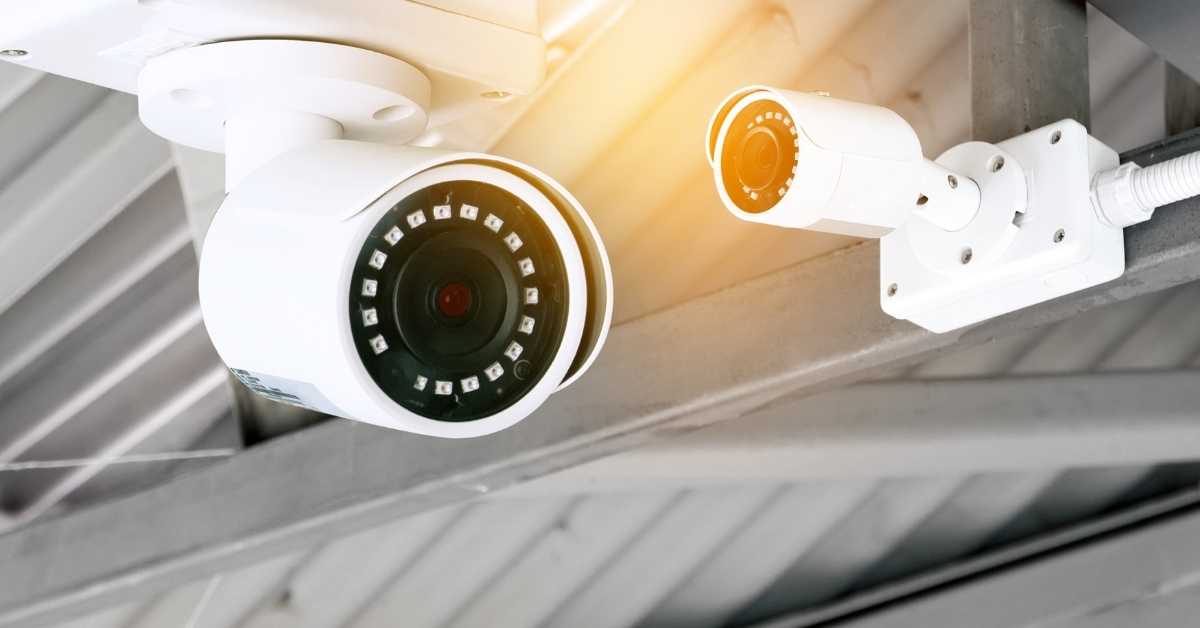
Introduction to CCTV Video Analytics
CCTV video analytics is transforming the landscape of surveillance, enabling organizations to leverage technology for enhanced security and operational efficiency. Unlike traditional CCTV systems that merely record footage, CCTV video analytics employs advanced algorithms to analyze video data in real-time. This sophisticated capability allows for actionable insights, enabling faster response times and improved situational awareness in various environments. By integrating cctv video analytics, businesses and institutions can significantly enhance their security management effectiveness.
Understanding CCTV Video Analytics
The term “CCTV video analytics” refers to the use of modern technology—including artificial intelligence (AI) and machine learning—to automatically analyze video footage captured by CCTV cameras. It can detect, classify, and understand various elements within a scene, such as people, vehicles, and specific behaviors. These systems can perform different functions, including:
- Object Detection: Identifying and tracking specific objects within a frame.
- Facial Recognition: Recognizing individuals by analyzing facial features.
- Behavioral Analysis: Detecting unusual or suspicious behavior.
The evolution of these technologies has made CCTV video analytics not just a reactive tool, but a proactive one—enabling security teams to anticipate potential incidents and take preventive measures.
Key Benefits of Integrating CCTV Video Analytics
The integration of CCTV video analytics comes with several benefits that enhance security operations:
- Increased Efficiency: Automating footage analysis saves significant time and resource utilization that would otherwise be spent on manual reviews.
- Real-Time Insights: Immediate alerts allow for faster responses to security threats or operational incidents.
- Enhanced Data Collection: Continuous monitoring and data generation provide valuable insights that inform security strategies and operational improvements.
These advantages demonstrate that CCTV video analytics is essential not only for security but also for optimizing business operations and creating safer environments.
Impact on Security Management
CCTV video analytics significantly impacts security management by providing deeper insights into security environments. Its capabilities allow security operators to monitor vast areas and analyze behaviors continuously. This not only prevents incidents but also facilitates a culture of proactive security. Moreover, these systems can integrate with other security measures, offering a holistic approach to threat detection and mitigation.
Core Features of CCTV Video Analytics
Object Detection and Tracking
One of the fundamental features of CCTV video analytics is object detection and tracking. Advanced algorithms can identify specific objects within a field of view, such as individuals, vehicles, or even bags left unattended. By tracking these objects, security personnel can understand movement patterns and identify areas that require closer monitoring. This feature enhances situational awareness and helps in making informed decisions during potential security threats.
Facial Recognition Technologies
Facial recognition technology has become integral in law enforcement and many private entities. It can match faces against databases in real time, helping identify individuals who may pose a risk. This technology has proven useful for access control, fraud prevention, and solving crimes. However, it is crucial to implement this feature ethically and with privacy in mind, ensuring compliance with local regulations regarding data protection.
Behavioral Analysis and Alerts
Behavioral analysis goes beyond standard object recognition by understanding how individuals behave in a given environment. Anomalies such as an individual loitering, running in restricted areas, or engaging in suspicious activities can be flagged in real-time. This proactive alert mechanism can be vital in preventing incidents before they escalate, fostering an optimal safety environment.
Implementing Effective CCTV Video Analytics
Choosing the Right Equipment
Implementing CCTV video analytics necessitates careful consideration of the hardware involved. High-resolution cameras equipped with low-light capabilities ensure that visuals are clear, even in challenging lighting conditions. Furthermore, selecting cameras with built-in analytics functionalities can enhance efficiency, as they are designed explicitly for such integrations.
Software Solutions for Video Analytics
Key to effective video analytics is the software underpinning the system. Industry-leading software solutions can seamlessly integrate with existing CCTV systems, enabling real-time data processing and reporting functionalities. It’s essential to evaluate software features, user interfaces, and compatibility with existing hardware during the selection process.
Installation Best Practices
Proper installation of CCTV systems is crucial to maximizing the effectiveness of video analytics. Ensuring optimal camera placement, angle, and height can significantly enhance the quality of data collected. Additionally, overcoming common installation challenges—such as network connectivity and storage solutions—should be part of the planning process. Collaborating with professionals who specialize in CCTV installations can also facilitate better outcomes.
Measuring Performance of CCTV Video Analytics
Key Performance Indicators for Success
To truly assess the effectiveness of CCTV video analytics, organizations should establish clear Key Performance Indicators (KPIs). Important KPIs might include:
- Incident Response Time: Measuring how quickly security teams respond to alerts.
- False Positive Rates: Tracking the accuracy of alerts to ensure meaningful data is being generated.
- Operational Cost Savings: Evaluating the reduction in manual surveillance hours and resources.
Monitoring these KPIs provides insights into system performance and validates the return on investment for video analytics solutions.
Periodic Review and Optimization
Continuous improvement should be a focus for organizations implementing CCTV video analytics. Regular reviews of system performance and effectiveness can uncover improvement opportunities. This might involve software updates, equipment upgrades, or even re-assessing analytics criteria to align with changing operational needs.
Integrating Feedback for Improvement
Gathering feedback from users and stakeholders is vital for optimizing CCTV video analytics. Security personnel can provide firsthand insights into alert relevance, ease of use, and operational challenges. Integrating this feedback creates a loop of continuous improvement, ensuring the system remains effective in evolving security landscapes.
Future Trends in CCTV Video Analytics
The Role of Artificial Intelligence
AI is poised to redefine the capabilities of CCTV video analytics in the coming years. With machine learning models capable of recognizing patterns and improving with experience, AI-driven systems will become more adept at predicting and mitigating security risks. This technological evolution will lead to more autonomous systems, realizing significant operational efficiencies.
Evolving Threat Detection Algorithms
As threats become more complex, algorithms that drive CCTV video analytics must evolve accordingly. Future advancements will likely focus on recognizing increasingly sophisticated behaviors and activities, harnessing a wealth of data to improve operational responses. These advanced capabilities will ensure that security measures remain effective in highly dynamic environments.
Expanding Applications Beyond Security
While the primary application of CCTV video analytics remains security-focused, its potential extends beyond. Organizations are starting to leverage this technology for operational insights, such as analyzing customer behavior in retail settings or optimizing traffic flow in urban planning. As the technology matures, more use cases will emerge across various sectors.
Frequently Asked Questions
What are the main benefits of CCTV video analytics?
The main benefits include increased efficiency, real-time insights for quick decision-making, enhanced data collection for operational improvements, and the ability to proactively address security issues.
How does object detection work in CCTV video analytics?
Object detection uses algorithms to identify and track specific items or individuals in video footage, enabling alerts and insights based on movement patterns and behaviors.
Can CCTV video analytics integrate with existing systems?
Yes! Many modern CCTV video analytics software solutions can seamlessly integrate with existing security infrastructures, enhancing their capabilities significantly.
What role does AI play in CCTV video analytics?
AI enhances CCTV video analytics by enabling smarter detection of patterns, improving behavioral analysis, and facilitating automated responses to potential threats.
How do organizations evaluate the performance of video analytics systems?
Organizations typically use Key Performance Indicators (KPIs) such as incident response time, false positive rates, and operational cost savings to evaluate system performance.