
Choosing the Right Vacuum for Your Home: Essential Features to Consider
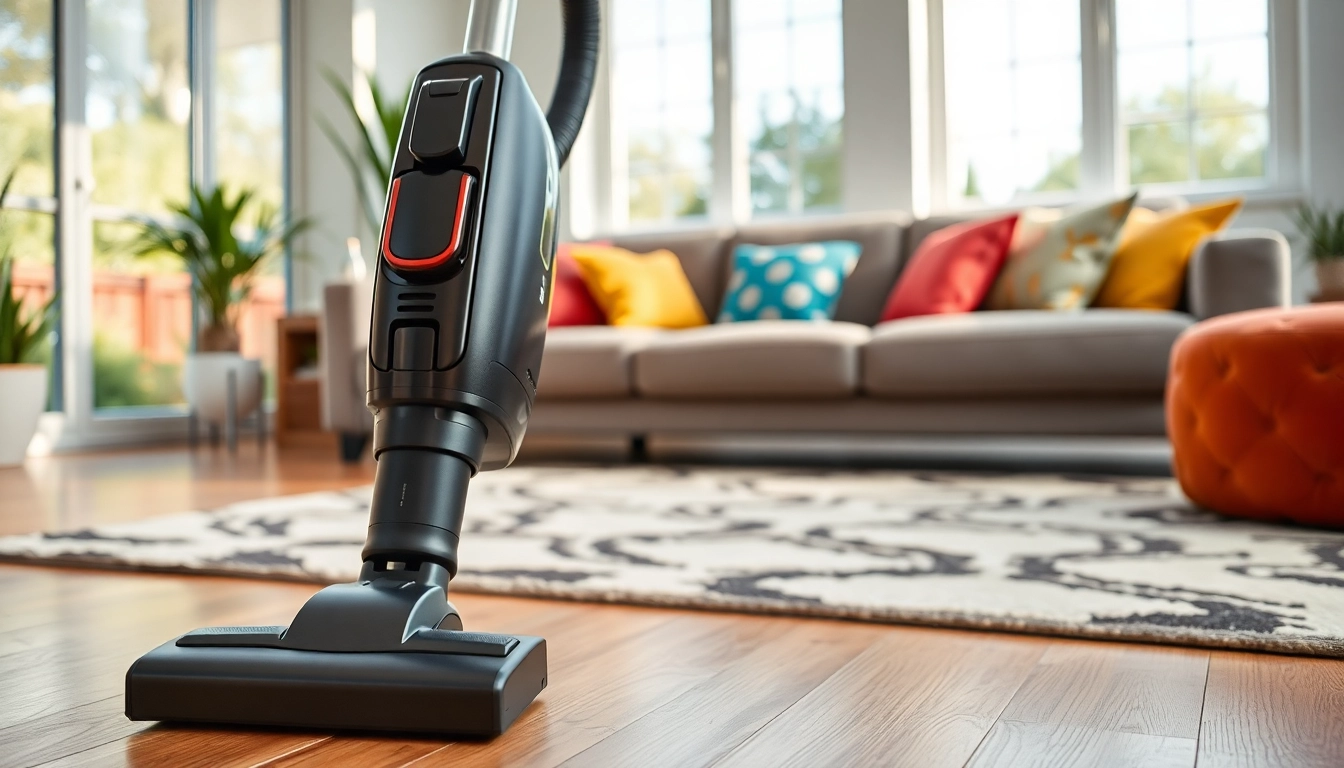
Understanding Vacuum Types and Technologies
Variations of vacuum and their specific uses
When it comes to cleaning our living spaces, understanding the various types of vacuum available can make all the difference in efficiency and effectiveness. Vacuums come in different forms, each designed to tackle specific cleaning challenges. For instance, upright vacuums are powerful and versatile, making them ideal for deep cleaning carpets. On the other hand, canister vacuums are excellent for hard-to-reach places and often come with a range of attachments for different surfaces. Robotic vacuums provide a hands-free cleaning solution, navigating through your home and making routine maintenance effortless. Meanwhile, handheld vacuums are perfect for quick cleanups, especially in tight spaces or for addressing minor spills.
Other specialized types include wet/dry vacuums, which can handle both liquid spills and solid debris, and central vacuums that are built into the home’s structure, allowing for powerful cleaning without dragging a unit around. As technology advances, we also see innovations like cordless vacuums, which offer freedom from outlet restrictions, making them ideal for quick cleans around the house. Each type of vacuum serves a unique purpose, and understanding these distinctions is crucial in selecting the right tool for your needs.
How technology enhances cleaning efficiency
The evolution of vacuum technology has significantly enhanced cleaning efficiency and user experience. Modern vacuums are equipped with smart features such as sensors that automatically adjust suction power based on surface type, optimizing both performance and battery life in cordless models. Advanced filtration systems, including HEPA filters, trap even the smallest particles, improving air quality by preventing allergens from recirculating into the environment.
Furthermore, technological advancements have introduced connectivity features, allowing users to control their vacuums remotely via smartphone apps. This means scheduling cleanings, monitoring cleaning progress, and receiving maintenance alerts can all be done from the palm of your hand. Smart vacuums can even map out the layout of your home, learning optimal cleaning paths and remembering where they need to go, ensuring thorough coverage.
Choosing the right vacuum based on floor types
Not every vacuum works well on all floor types. Understanding the unique characteristics of your flooring is key to effective cleaning. For hardwood, laminate, and tile floors, a vacuum with a gentle brush roll and suction setting is essential to avoid scratching surfaces. Canister vacuums are usually preferred for these flooring types because they provide better maneuverability without the risk of damaging your floors compared to upright models.
For carpeted areas, particularly high-pile or thick carpets, a powerful upright vacuum with strong suction will be more effective. Look for models with adjustable height settings to easily transition between carpet and hard floor types. Additionally, if you have rugs, ensure the vacuum is equipped to clean them without getting stuck or caught. Multi-surface vacuums with interchangeable heads are also beneficial for homes with varied flooring, simplifying the transition between different surfaces.
Key Features to Look for in a Vacuum
Filtration systems and their importance
Selecting a vacuum equipped with an effective filtration system is critical, particularly for households with allergy sufferers. High-Efficiency Particulate Air (HEPA) filters are designed to capture 99.97% of particles that are 0.3 microns in size, including dust mites, pet dander, and pollen. This means cleaner air in your home, as these tiny allergens are effectively trapped within the vacuum instead of being blown back out into the room.
In addition to HEPA filters, some vacuums offer multi-stage filtration systems that combine different filtering media to provide enhanced performance. It’s also important to note that a vacuum’s filter must be properly maintained; this typically means regular cleaning and replacement to ensure it continues to operate at peak efficiency.
Assessing suction power and performance
The suction power of a vacuum is one of the most significant factors in determining its cleaning ability. Measured in air watts or pascals (Pa), higher suction power generally indicates more precise and powerful cleaning performance. However, it’s essential to consider that effective suction is not only about the numbers but also about the design of the vacuum and its brush rolls or attachments.
For instance, a vacuum may have high suction power, but if it does not contain the appropriate brush roll or head for your flooring type, it may not effectively pick up embedded dirt or debris. Verify specifications and performance ratings through reviews and user feedback as you assess potential options. Many modern vacuums give users the ability to adjust suction power according to the cleaning task, providing a tailored cleaning experience.
Weight and maneuverability for ease of use
Weight and maneuverability are crucial aspects to consider, especially if you have a multi-level home or if you must transport the vacuum across different rooms. Lightweight models are easier to carry and can be less taxing on the body during operation. Consider models with ergonomically designed handles and swivel heads that allow for smooth movements around furniture and into corners.
Upright vacuums often provide superior suction and larger dust capacity but can be cumbersome for some users. Canister vacuums, on the other hand, are typically lighter and offer flexibility in maneuvering through tight spaces. Assessing how often you will use your vacuum, combined with your home’s layout, will guide you in selecting a model that is comfortable to operate regularly.
Maintaining Your Vacuum for Optimal Performance
Routine cleaning and maintenance tips
Routine maintenance of your vacuum is vital for sustaining its performance and longevity. Regularly emptying the dustbin or replacing bags is the simplest yet most crucial part of maintenance. A full dust bin limits airflow and suction efficiency, making the vacuum less effective at picking up dirt and debris.
Additionally, inspect and clean the filters as per the manufacturer’s recommendations. Some filters are washable, while others will need replacements after a predetermined usage period. Inspect the brush rolls for tangled hair or debris, as this can hinder the vacuum’s performance. Many vacuums come with a brush roll release feature, making it easy to clean or replace them. Maintaining the cord, if applicable, is also essential to avoid any accidents or operational issues.
Signs it’s time to replace vacuum parts
Several indicators suggest that it may be time to replace components of your vacuum. Lack of suction, strange noises, or unusual vibrations during operation often signal the need for a closer inspection of brushes, filters, or belts. If the vacuum is consistently losing suction, check the filters and hoses for blockages or wear.
Physical wear on parts like the brush roller or the belt might be evident. Over time, bristles can become worn down or frayed, reducing the vacuum’s effectiveness. A damaged belt may also slip or break, leading to non-functionality of the brush. Regularly understanding your vacuum’s performance and addressing these issues promptly will ensure reliable operation and cleaning results.
Best practices for prolonging vacuum life
To prolong the life of your vacuum, it’s helpful to establish a routine maintenance schedule that involves both cleaning and inspection. Avoid vacuuming up items that could cause damage, such as large debris, liquids (unless using a wet/dry vacuum), and sharp objects. Always ensure your vacuum is designed for the surfaces you are cleaning; using the appropriate settings and attachments can prevent undue wear and tear.
Investing in quality bags or filters will also pay off in the long run, as they enhance performance and capture dirt more effectively. Store your vacuum in a clean, dry place, free from extreme temperatures, to avoid damage. Lastly, consider regular professional servicing if you use your vacuum frequently, as they can offer insights and maintenance beyond basic checks.
Common Vacuum Challenges and How to Overcome Them
Dealing with pet hair and allergens
Homes with pets often face unique cleaning challenges, especially when it comes to managing pet hair and allergens. To effectively tackle this problem, invest in a vacuum specifically designed for pet hair, which typically features stronger suction and tangle-free brush systems that prevent hair from wrapping around the rollers.
Additionally, ensure your vacuum has a high-quality filtration system to minimize allergen exposure. Regular cleaning of areas where pets frequently rest and play, alongside frequent vacuuming, will help manage the buildup of dander and hair. Utilizing attachments like pet hair tools or upholstery brushes can facilitate easier cleaning on furniture and tight spaces.
Understanding suction loss and maintenance effects
Suction loss can occur for various reasons, often linked to filter clogs, blockages in hoses, or wear and tear on components. Understanding these causes is crucial for maintaining your vacuum’s performance. Schedule regular inspections of filters and clean them as needed, along with checking hoses for any obstructions. Proper maintenance directly correlates with optimal suction and performance of your vacuum.
If suction loss persists despite maintenance practices, consider evaluating the vacuum’s age and functionality—older units may simply reach a point where performance drops significantly, and it might be time to consider upgrading to a newer model with enhanced capabilities.
Addressing noise levels and improving user experience
No one enjoys a loud vacuum, especially when cleaning during early or late hours. To address noise levels, choose a vacuum designed specifically with quiet operation in mind, such as those featuring sound-dampening technology or brushless motors. Noise levels are often a key selling point, so check manufacturer specifications to gauge potential volume.
Creating a better user experience also involves understanding the best time to vacuum and adjusting your routine to suit your living environment. If noise is a persistent issue, consider investing in models with features that minimize vibrations, aligning with ergonomic principles for ease of use. This can significantly enhance the overall experience while promoting a healthier living space.
Vacuum Buying Guide: Making the Right Investment
Setting a budget for your vacuum purchase
Before diving into the vast array of vacuum options on the market, it’s essential to set a clear budget based on your cleaning needs and the features that matter most to you. While lower-priced vacuums may seem appealing, consider the long-term value associated with higher-quality options that offer durability and advanced features.
Additionally, evaluate what type of vacuum suits your needs. If you live in a large space or have pets, investing in a mid-range to high-end model could save you money in the long run through time and efficacy savings. It’s worthwhile to consider not just the initial purchase price but also maintenance costs, such as replacement bags and filters.
Comparing brand reputations and reviews
As you narrow down your options, take the time to consider brand reputation and customer reviews as part of your decision-making process. Reputable brands often invest significantly in research and development, producing reliable and effective vacuums that satisfy user expectations.
Review platforms provide insights from actual users, which can reveal common issues, advantages, and overall performance. Pay close attention to recurring themes in feedback concerning durability, customer service, and product effectiveness. These insights are invaluable in making a well-informed purchasing decision.
Leveraging warranties and customer support features
While exploring your vacuum purchase options, consider the warranty and customer support features provided by the manufacturer. A comprehensive warranty can protect your investment by covering repairs or replacements in case of defects or malfunctions. This aspect is often overlooked, yet it can significantly affect your overall satisfaction and longevity of the product.
Additionally, evaluate the accessibility of customer support. Efficient and responsive support can save you from headaches and additional costs should any issues arise. A brand that prioritizes customer care often reflects its commitment to quality and reliability, making it a wise choice for your next vacuum purchase.