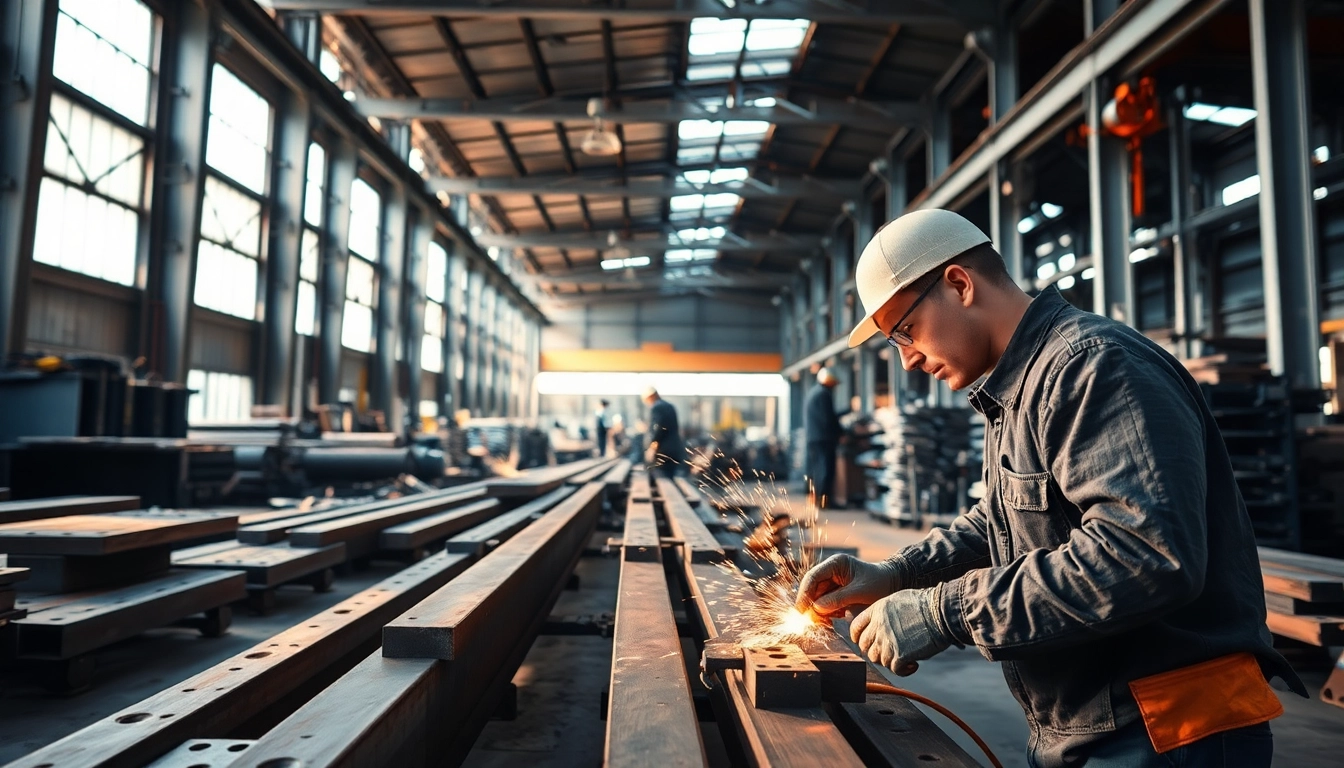
Building with Structural Timber Frame: Benefits, Techniques, and Sustainability
Understanding Structural Timber Frame
What is a Structural Timber Frame?
The concept of a Structural Timber Frame stems from an ancient building tradition that utilizes large wooden beams to create a skeletal structure for buildings. This technique emphasizes the use of timber as the primary load-bearing material, facilitating robust designs capable of supporting the weight of roofs and floors while remaining aesthetically pleasing. Structural timber frames can be adapted for various architectural styles, offering both functionality and visual appeal.
Key Characteristics of Structural Timber Frame
What distinguishes the Structural Timber Frame from other construction methods are its key characteristics:
- Load-Bearing Capacity: The use of heavy timber beams enhances the structural integrity, allowing for wide spans without the need for interior supports.
- Flexibility in Design: This method supports a range of architectural styles, including contemporary and traditional designs, making it highly adaptable.
- Natural Aesthetics: Exposed timber beams contribute to a warm, natural look often sought in modern architecture.
- Speed of Construction: Pre-manufactured timber components can significantly reduce on-site construction time.
- Insulation and Energy Efficiency: Timber inherently has good insulating properties, enhancing energy efficiency in thermal performance.
Applications of Structural Timber Frame in Construction
Structural timber frames are versatile and can be employed across various construction projects, including:
- Residential Homes: Many modern houses are built using this method, allowing for spacious interiors and energy-efficient designs.
- Commercial Buildings: Retail outlets and offices using timber frames can stand out with unique architectural designs while remaining functional.
- Recreational Structures: Many community centers, sports facilities, and cabins leverage timber framing for durability and style.
- Educational Institutions: Schools and universities are increasingly adopting timber framing due to its sustainability and acoustic properties.
Advantages of Using Structural Timber Frame
Benefits of Structural Timber Frame
Embracing the Structural Timber Frame method offers a plethora of advantages:
- Environmental Sustainability: Timber is a renewable resource, and its use can significantly reduce a construction project’s carbon footprint.
- Cost-Effectiveness: Reduced labor costs and faster construction times often lead to considerable savings, making timber an economically viable construction option.
- Innovation in Design: The natural flexibility and strength of timber allow for innovative and creative design implementations.
Sustainability of Structural Timber Frame
The sustainability practices associated with the Structural Timber Frame are essential in today’s eco-conscious building environment. Timber sourced from sustainably managed forests ensures that new buildings do not contribute to deforestation. Moreover, timber frames often have a lower environmental impact during production compared to steel or concrete. The lifecycle management of timber can also be enhanced through practices like reforestation and using wood that is certified by sustainability standards.
Energy Efficiency and Insulation Properties
One of the noteworthy characteristics of the Structural Timber Frame is its energy efficiency. Timber is naturally more insulating than many other building materials, providing thermal mass that helps maintain comfortable indoor temperatures. When complemented with modern insulation techniques, timber frame buildings can achieve excellent energy performance ratings. Moreover, such buildings typically consume less energy, reducing heating and cooling costs and benefiting homeowners economically.
Construction Techniques for Structural Timber Frame
Best Practices for Structural Timber Frame Installation
Successful construction with a Structural Timber Frame entails meticulous planning and execution. Best practices include:
- Site Assessment: Conduct comprehensive surveys to evaluate soil and environmental conditions before construction begins.
- Precision Engineering: Utilize computer-aided design (CAD) software to ensure all components are manufactured with precision.
- Proper Joining Techniques: Employ traditional joints like mortise and tenon for structural integrity, while using modern fastening methods for additional security.
Common Mistakes to Avoid in Timber Frame Construction
To ensure the longevity and success of a Structural Timber Frame, it is vital to avoid common pitfalls:
- Ignoring Moisture Control: Timber is susceptible to moisture, so incorporating proper drainage and ventilation is crucial.
- Inadequate Inspections: Regular inspections during construction can prevent future problems caused by poor workmanship or material defects.
- Underestimating Load Factors: Integerating load-bearing calculations correctly is critical to avoid structural failures.
Software Tools for Planning Structural Timber Frame Projects
In contemporary construction, technology plays an integral role in planning projects. Software tools, such as Building Information Modeling (BIM) and specialized timber frame design programs, can facilitate the design and installation of a Structural Timber Frame. These tools help in visualizing designs, optimizing materials, and estimating costs accurately while ensuring adherence to safety regulations and building codes.
Maintenance and Longevity of Structural Timber Frame
Caring for Your Structural Timber Frame
Proper maintenance is vital for the longevity of a Structural Timber Frame. Periodic checks for signs of wear, structural integrity, and moisture exposure should be standard procedure. Regular cleaning of external surfaces and ensuring gutters and downspouts are functioning well can mitigate potential issues.
Signs of Wear and Potential Issues
Identifying potential problems early is key to prolonging the life of timber structures. Common signs to look for include:
- Sagging or Bowing: Indicates a possible structural weakness or overload.
- Discoloration or Mold: Suggests moisture accumulation, which can lead to rot.
- Insect Damage: Signs of insects can compromise the integrity of the wood.
Extending the Lifespan of Your Timber Frame Home
To maximize the lifespan of a Structural Timber Frame, consider implementing regular maintenance practices. This includes treating timber for pests, applying protective coatings to prevent moisture exposure, and periodically inspecting for any abnormalities. Creating a maintenance plan that includes seasonal tasks can ensure that the structure remains in optimal condition for decades.
FAQs about Structural Timber Frame
What are the disadvantages of a structural timber frame?
Common disadvantages include susceptibility to rot, insect damage, and fire risk. Proper maintenance can mitigate these issues effectively.
How long does a structural timber frame building last?
A well-constructed and maintained structural timber frame building can last over 100 years, with some structures enduring even longer.
Can you buy structural timber frame homes?
Yes, many builders offer pre-designed structural timber frame homes that are ready for construction, making them easily accessible for buyers.
What is the cost of a structural timber frame home?
Costs can vary significantly based on design and materials; however, structural timber frame homes are often more affordable due to efficient construction methods.
Is structural timber frame environmentally friendly?
Yes, using timber from sustainable sources reduces carbon footprints, promotes eco-friendly practices, and supports the health of global forests.