Understanding Construction Safety Training
Definition and Importance of Construction Safety Training
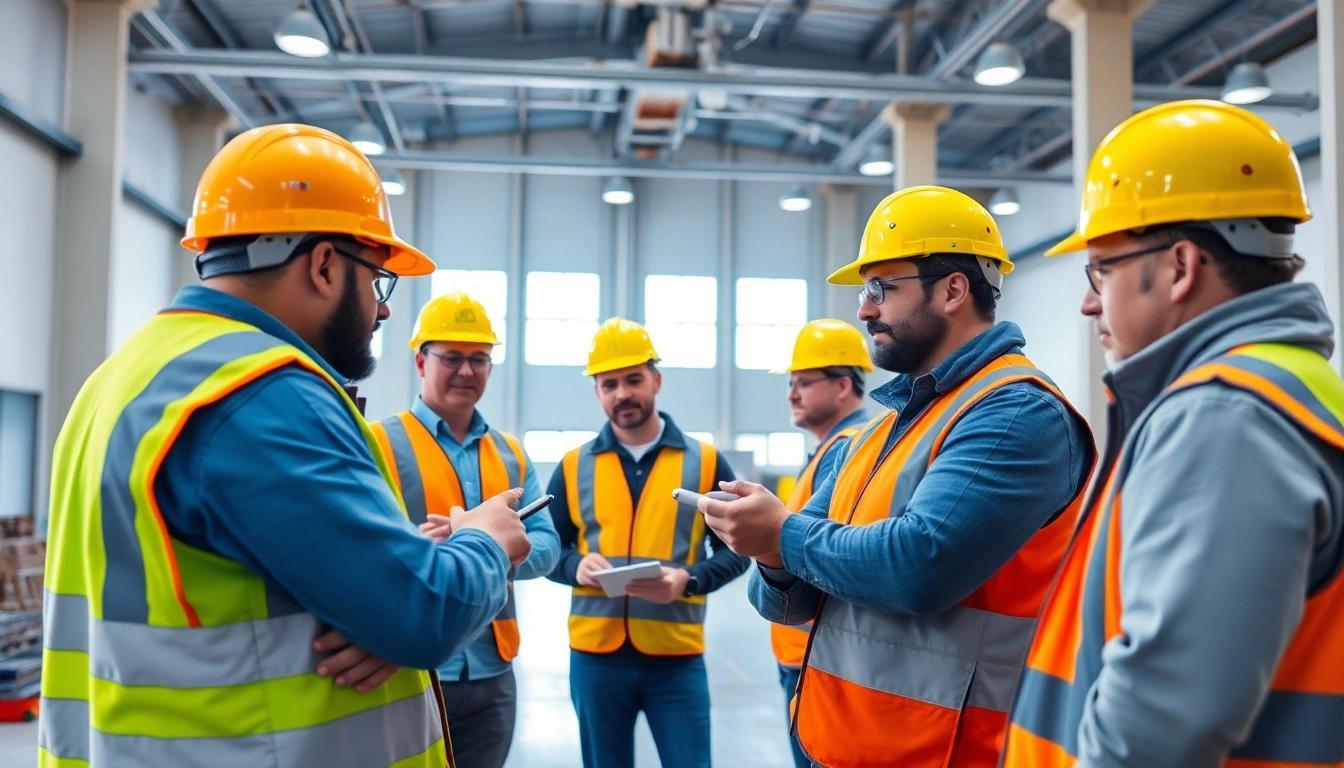
Construction safety training encompasses a range of instructional programs designed to educate construction workers on the best practices, tools, and necessary precautions to ensure a safe working environment. Given the high-risk nature of construction work, it plays a crucial role in minimizing accidents, injuries, and fatalities on the job site. By fostering a culture of safety, employers demonstrate their commitment to the well-being of their workforce, which ultimately enhances productivity and morale.
Incorporating construction safety training is not merely a regulatory requirement; it is a moral imperative and a business strategy that can lead to significant financial savings through reduced worker’s compensation claims and lower insurance premiums. The financial implications alongside the ethical considerations make robust safety training programs indispensable in the industry.
Key Components of Effective Safety Programs
Effective safety programs consist of several pivotal components, including:
- Training & Education: Comprehensive training that covers risks, safety protocols, equipment handling, and emergency response.
- Regular Safety Audits: Frequent inspections to identify and rectify potential hazards preventatively.
- Clear Communication: Effective communication strategies ensure that safety policies and expectations are understood by all team members.
- Incident Reporting Mechanism: A streamlined process for reporting and analyzing incidents to avoid future occurrences.
- Safety Equipment and Tools: Providing employees with proper safety gear and facilitating usage training.
Each of these components works in tandem to establish a resilient safety framework that operates effectively in the fast-paced construction environment.
Legal Requirements and Compliance Standards
Construction sites must adhere to the legal standards established by regulatory bodies such as the Occupational Safety and Health Administration (OSHA) in the United States. Compliance with these regulations not only safeguards employees but also protects companies from legal repercussions and financial liabilities. Required safety trainings and certifications may include:
- OSHA 10 and 30-Hour Training Courses
- Fall Protection Training
- Hazardous Materials Handling Certification
- Forklift and Heavy Equipment Operation Safety Training
Understanding and implementing these legal requirements demonstrate a commitment to compliance and foster a safer workplace.