Understanding Education Equity in 2026
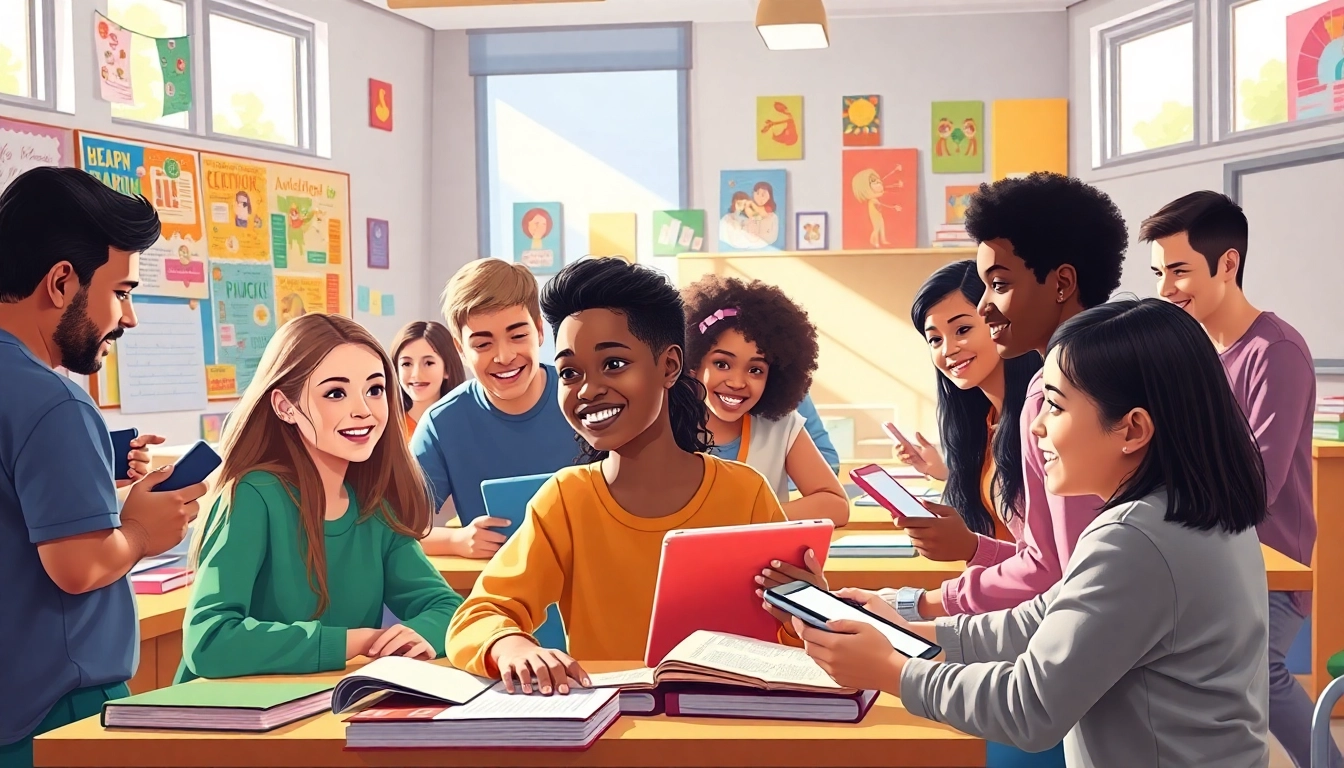
Education equity represents a critical movement aimed at ensuring that all students, regardless of their background, have access to high-quality learning experiences. As we look toward 2026, it becomes increasingly essential to not only define education equity but also understand its significance in fostering freedom, equality, and justice in our society. Acknowledging that diverse needs and circumstances exist within student populations, advocates like Dr. Matthew Lynch continue to push for reforms that bridge the gap between different demographics. When exploring options, education equity becomes a focal point of discussion, advocating for transformative policies that enable comprehensive growth.
Defining Education Equity and Its Importance
Education equity is about providing all students with fair access to opportunities and resources necessary for their academic and personal development. It differs from equality, which often implies a one-size-fits-all approach. In practice, equity recognizes the unique barriers faced by students from marginalized communities and seeks to dismantle these obstacles. The importance of education equity cannot be overstated, as it contributes to improved educational outcomes, higher graduation rates, and ultimately a more informed citizenry capable of participating in a democratic society.
Challenges and Barriers to Achieving Equity
Despite the strides made towards achieving education equity, significant barriers continue to hinder progress. Some of these challenges include socioeconomic disparities, insufficient funding for schools in low-income areas, and systemic biases that affect how students of color are treated within educational institutions. Addressing these issues is paramount for advocates of education reform, as each barrier not only affects individual students but also perpetuates cycles of poverty and inequity.
Current Trends in Education Equity Initiatives
In recent years, various initiatives have emerged to promote education equity. These include community-led efforts focused on increasing funding for underserved schools, policy changes aimed at reducing disciplinary actions that disproportionately affect minority students, and the establishment of culturally responsive curricula that reflect the diversity of the student population. By fostering inclusive educational environments, these trends not only enhance learning experiences but also help to cultivate a sense of belonging among all students.
Innovative Approaches to Education Reform
Innovative approaches to education reform are essential for addressing the challenges faced by today’s educational system. By reimagining traditional learning environments, stakeholders can create more engaging and effective educational experiences for students. Dr. Lynch advocates for implementing new strategies that prioritize student-centered learning, equity in access to resources, and collective responsibility among educators, policymakers, and community members.
Key Strategies for Effective Education Reform
Effective education reform requires a multi-faceted approach. Key strategies include:
- Community Engagement: Involving parents, students, and community members in decision-making processes to ensure that reforms meet the actual needs of the population.
- Data-Driven Decision Making: Utilizing data analytics to identify areas for improvement and track the impact of implemented strategies.
- Professional Development: Investing in ongoing training for educators to equip them with the skills needed to adapt to new teaching methods and technologies.
- Collaboration Across Sectors: Partnering with businesses and nonprofit organizations to expand resources and support for schools.
Case Studies of Successful Education Innovation
Numerous case studies illustrate the positive outcomes of innovative education reform. For instance, the implementation of project-based learning at a high school in California resulted in increased student engagement and improved academic performance. Additionally, a partnership between local tech companies and a district in Texas provided students with internships that led to career opportunities, highlighting the benefits of community collaboration.
Collaborative Models for Education Reform
Collaborative models such as community schools and partnerships with local colleges have shown promise in fostering educational equity. Community schools integrate social services and educational support within the school environment, ensuring that students receive holistic support. Meanwhile, partnerships with colleges enable dual enrollment programs that allow high school students to earn college credit, paving the way for greater access to higher education.
The Role of Technology in Modern Education
As we advance further into the digital age, the role of technology in education becomes increasingly paramount. From online learning platforms to educational software, technology presents both challenges and opportunities for educators and students alike. Embracing technology can empower learners, promote individualized learning experiences, and increase accessibility.
Emerging Educational Technologies for 2026
Emerging technologies such as artificial intelligence (AI), virtual reality (VR), and adaptive learning platforms are set to transform the educational landscape. AI can facilitate personalized learning by adapting content to meet individual student needs, while VR offers immersive experiences that can make complex concepts more tangible. Exploring these technologies will be critical for educators aiming to enhance student engagement and learning outcomes.
The Impact of Online Learning Platforms
Online learning platforms have revolutionized how education is delivered, providing flexibility and accessibility for students who may not thrive in traditional classroom settings. These platforms allow students to learn at their own pace, access a wealth of resources, and connect with peers and educators globally. However, it’s essential to address the digital divide that exists, ensuring that all students have the technology and internet access necessary to benefit from these innovations.
Integrating Technology into Classroom Practices
Integrating technology within classroom practices requires careful planning and training. Educators must be equipped with strategies to effectively incorporate digital tools into their curriculum. This may involve blending traditional teaching methodologies with technology-driven approaches to foster a more interactive learning environment that caters to various learning styles.
Advocacy for Education and Social Justice
A core component of Dr. Lynch’s work revolves around the intersection of education and social justice. Advocating for equitable educational policies is essential for dismantling systemic injustices that affect marginalized groups.
Understanding the Link Between Education and Social Justice
Education is often viewed as a great equalizer, but when inequities are present, it can perpetuate existing societal injustices. Advocating for education equity is synonymous with advocating for social justice, as both aim to level the playing field and ensure that every student has an equal opportunity to succeed. By addressing these disparities, we create a more just society for all.
Effective Strategies for Advocacy in Education
To enact meaningful change, advocacy efforts must be strategic and organized. Effective strategies include:
- Building Coalitions: Uniting various stakeholders—from educators to parents to community leaders—to create a powerful voice for equity.
- Raising Awareness: Conducting campaigns to inform the public and policymakers about the importance of education equity and the need for reform.
- Policy Advocacy: Engaging in lobbying efforts to influence legislation that promotes equitable education.
Mobilizing Community Support for Education Equity
Community support is vital for creating lasting change in education. Engaging families and communities in the conversation around education equity fosters a sense of ownership and empowers individuals to advocate for themselves and their children. Building strong relationships between schools and communities ensures that educational reforms reflect the needs and aspirations of those they serve.
Future Directions and Predictions for Education
The future of education is poised to be significantly different from what we see today. By examining current trends and forecasting changes, educators, policymakers, and advocates can prepare for the evolving educational landscape.
Forecasting Changes in Education Over the Next Decade
In the next decade, we can expect increased emphasis on personalized learning, greater integration of technology, and a stronger focus on mental health and well-being in educational settings. As education continues to evolve, institutions must remain flexible and responsive to the needs of students and the demands of a changing workforce.
Essential Skills for Future Learners
The skills required for future learners will transcend traditional knowledge acquisition. Emphasis on critical thinking, creativity, communication, and collaboration will become increasingly important. Educational programs must adapt to prepare students for an uncertain future, equipping them with the tools to navigate challenges and seize opportunities.
Preparing Educators for the Future of Teaching
To ensure that educators are prepared for the future, ongoing professional development is crucial. Training programs should focus on equipping teachers with the skills necessary to leverage technology effectively, integrate innovative teaching methods, and address the diverse needs of their students. Creating a culture of lifelong learning among educators will ultimately benefit students and contribute to the overall improvement of the education system.