
Empowering Futures: Our Children’s Vision and the Importance of Eye Health
Understanding Our Children’s Vision: The Need for Awareness
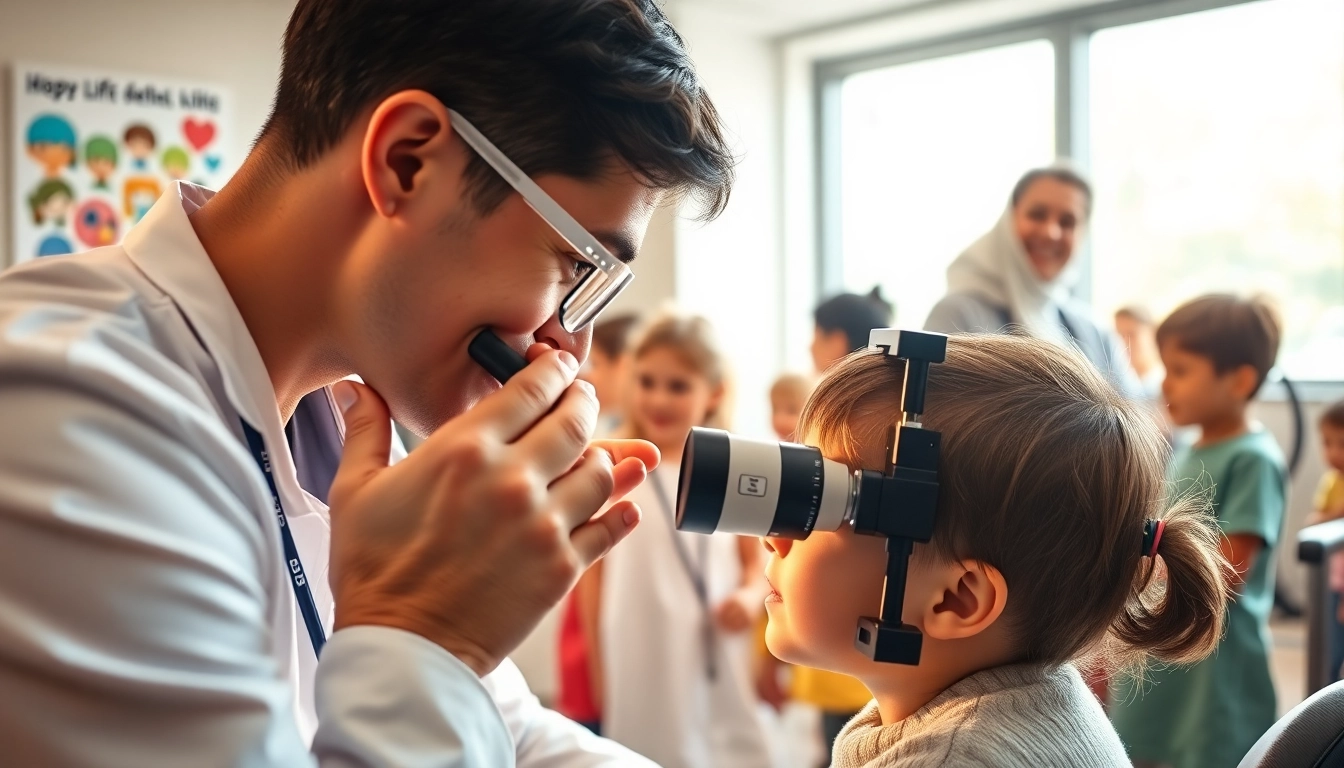
In today’s world, children’s eye health is an oft-overlooked aspect of overall well-being. With a significant portion of our global population consisting of children, ensuring that they have the best vision possible is crucial for their development and future success. The initiative behind Our Children’s Vision emphasizes the necessity of effective, sustainable eye health initiatives aimed at children and adolescents. Understanding the significance of children’s eye health, current statistics on vision impairment, and common eye health issues can help pave the way for meaningful interventions.
What Is Our Children’s Vision?
Our Children’s Vision is a collaborative initiative aimed at addressing the eye health needs of children globally. It raises awareness about the importance of maintaining good eye health, promoting programs and partnerships that facilitate access to eye care services. The mission is clear: to ensure that children everywhere have the opportunity for healthy vision, helping them achieve their full potential in life.
The Importance of Children’s Eye Health
Children’s eye health is directly linked to their cognitive development, educational achievements, and overall quality of life. Vision problems can greatly affect a child’s ability to learn and engage in daily activities. When children cannot see clearly, they face challenges in reading, writing, and participating in sports or social interactions. By prioritizing eye health in children, we lay the foundation for better educational outcomes and improved life prospects.
Current Statistics on Vision Impairment in Children
Recent studies indicate that vision impairment is a significant public health issue impacting millions of children worldwide. Approximately 19 million children globally suffer from vision impairment, with many not receiving the necessary treatment. These figures highlight the urgent need for increased awareness and targeted interventions to ensure access to quality eye care.
Key Initiatives and Programs Supporting Our Children’s Vision
Global Collaborations for Eye Health
Global collaborations play a pivotal role in the fight for better eye health for children. Partnerships between governments, non-profit organizations, and healthcare professionals are essential for disseminating knowledge, resources, and services effectively. Collaborative programs often focus on establishing sustainable systems for eye care that include training local health workers, providing necessary equipment, and facilitating outreach programs.
Community-Based Approaches to Vision Care
Community-based approaches focus on making eye care accessible to everyone, particularly in underserved areas. These initiatives often involve conducting vision screening campaigns in schools and communities, enabling early detection and treatment of eye issues. By educating parents and caregivers about the importance of eye health, these programs promote proactive health-seeking behavior.
Education and Awareness Campaigns
Education is key in increasing awareness about children’s eye health. Campaigns aimed at schools, health professionals, and communities can significantly impact public perception and understanding of vision issues. Providing information on common eye problems, their symptoms, and the importance of regular eye examinations equips parents and educators to recognize potential issues early on.
Common Eye Health Issues in Children
Myopia: The Growing Concern
Myopia, or nearsightedness, is a prevalent condition in which distant objects appear blurry. The incidence of myopia is on the rise, with some estimates suggesting that half of the global population could be myopic by 2050. Factors contributing to myopia include prolonged screen time, lack of outdoor activities, and genetic predisposition. Addressing lifestyle factors and encouraging outdoor play can help mitigate its increasing prevalence.
Understanding Amblyopia and Its Impacts
Amblyopia, commonly referred to as “lazy eye,” occurs when vision in one eye does not develop properly, resulting in reduced vision. It often goes undetected in children, as they may not realize that one eye is not functioning optimally. Early detection through regular eye exams is crucial for effective treatment, which often includes patching the stronger eye to force the lazy eye to work harder.
Preventing Strabismus: Tips for Parents
Strabismus, or crossed eyes, is a condition where the eyes do not align properly. This misalignment can lead to amblyopia if not addressed early. Parents can help prevent strabismus by ensuring their child has regular eye check-ups and by being aware of any signs of eye misalignment. If detected, early intervention can greatly improve outcomes.
Best Practices for Maintaining Children’s Eye Health
The Role of Regular Eye Exams
Regular eye examinations are essential in maintaining children’s eye health. These exams not only detect issues like refractive errors but also monitor for eye diseases that could lead to vision impairment. It is recommended that children have their first eye exam by age one and subsequent exams every one to two years, as advised by their healthcare provider.
Promoting Outdoor Activities for Better Vision
Encouraging outdoor play is an effective way to enhance children’s vision health. Research indicates that spending time outside can help reduce the risk of developing myopia. Outdoor environments not only provide a break from screens but also expose children to natural light, which is beneficial for eye development.
Nutritional Choices for Eye Health
Nutrition plays a vital role in eye health. A balanced diet rich in vitamins C and E, omega-3 fatty acids, and zinc can contribute to better ocular health. Parents should focus on incorporating a variety of colorful fruits and vegetables, as these are often high in antioxidants that can protect against age-related eye diseases and promote overall eye health.
Measuring the Impact of Our Children’s Vision Initiatives
Success Stories from Around the Globe
Across the globe, various initiatives under the umbrella of Our Children’s Vision have resulted in significant success. Programs that have provided eye care access to underprivileged communities demonstrate the positive changes that can occur when proper resources are allocated and awareness is raised. These success stories serve as powerful reminders of what is achievable with commitment and collaboration.
Evaluating the Effectiveness of Eye Health Programs
Evaluating the effectiveness of eye health programs involves collecting data on screening rates, treatment follow-through, and the long-term vision outcomes for participating children. Continuous assessment allows for modifications to ensure that initiatives remain effective and responsive to the needs of the population.
Future Goals for Enhancing Children’s Eyecare
Looking to the future, the ongoing goals of Our Children’s Vision include not only expanding access to eye care services but also improving education and awareness around children’s eye health. Fostering global partnerships and leveraging technology for telehealth services can bridge the gap in areas lacking resources, ensuring that every child has the opportunity for healthy vision.
