Understanding Metal Roofing
Definition and Types of Metal Roofing
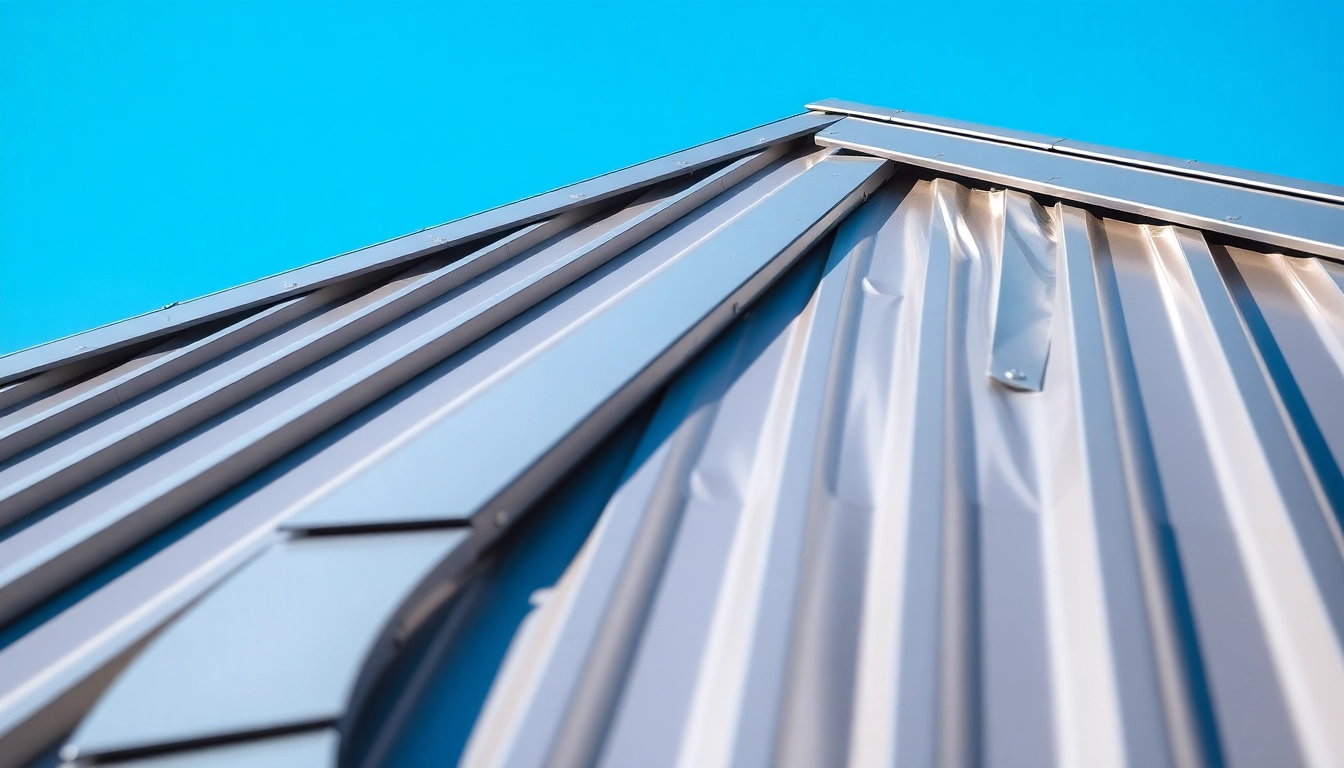
Metal roofing is a durable and sustainable roofing solution that utilizes metal materials, typically aluminum, copper, steel, or zinc. These materials are popular for their lightweight nature and ability to withstand various weather conditions. Metal roofs come in several types, including:
- Panel Systems: These systems consist of large panels that cover wide areas. Common types include standing seam and corrugated metal roofs.
- Shingle Systems: Designed to resemble traditional shingles, these metal shingles offer the same aesthetic while providing superior durability.
- Tile Systems: Emulating the look of ceramic or slate tiles, these metal tiles are lightweight but incredibly strong.
Each type has its unique benefits, making it essential to choose one that aligns with specific design preferences and practical needs.
Benefits of Choosing Metal Roofing
Opting for metal roofing offers numerous advantages for homeowners. These include:
- Longevity: Metal roofs can last 40 to 70 years when properly maintained, far outpacing traditional roofing materials like asphalt shingles.
- Durability: Withstanding high winds, heavy rain, and snow, metal roofs are also resistant to pests, mold, and rot.
- Energy Efficiency: Reflective metal roofing can significantly reduce cooling costs by reflecting heat from the sun.
- Environmental Impact: Metal roofs are often made from recycled materials and are 100% recyclable at the end of their life cycle.
- Low Maintenance: In general, metal roofs require minimal upkeep, making them an attractive option for busy homeowners.
Common Myths About Metal Roofing
Despite the benefits, several myths about metal roofing persist. These include:
- Metal Roofs Are Noisy: Many believe metal roofs are loud during rain or hail; however, proper insulation and underlayment significantly reduce noise levels.
- Metal Roofs Attract Lightning: Metal is not more likely to be struck by lightning than other materials; in fact, it can help dissipate electricity.
- Metal Roofs Are Expensive: While the upfront cost may be higher, the long-term savings on repairs and energy can make metal roofing a cost-effective choice.
Installation Process of Metal Roofing
Preparation and Planning Steps
Installing a metal roof requires careful planning to ensure optimal results. Homeowners should:
- Assess Structural Integrity: Ensure your existing roof structure can support a metal roof.
- Select the Right Material: Choose based on climate, aesthetics, and budget.
- Check Local Building Codes: Verify local regulations and obtain necessary permits before proceeding with the installation.
Tools and Materials Needed for Metal Roofing
The following tools and materials are essential for a successful installation:
- Tools: Safety goggles, gloves, a metal snip, a drill, a measuring tape, a chalk line, and a rivet gun.
- Materials: Metal panels, proper underlayment, flashing, fasteners, and sealant.
Best Practices for Installation
Adhering to best practices during the installation process can enhance durability and performance:
- Installation Over Existing Roofs: While metal roofs can often be installed over existing roofs, ensure that the underlying structure is sound.
- Use the Correct Fasteners: Employ the appropriate fasteners to prevent rust and ensure a secure fit.
- Maintain Proper Overlaps: Ensure panels overlap correctly to prevent leaks and enhance airflow.
- Follow Manufacturer Guidelines: Always refer to the manufacturer’s guidelines for specific installation instructions.
Maintenance Tips for Metal Roofing
Regular Inspection Guidelines
Conducting regular inspections is vital to maintaining the integrity of a metal roof. Homeowners should:
- Inspect After Severe Weather: Check for any signs of damage after storms or high winds.
- Look for Rust or Corrosion: Examine seams, fasteners, and paint for signs of deterioration.
- Clear Debris: Remove leaves and branches regularly to prevent moisture buildup.
How to Clean and Maintain Metal Roofing
Cleaning and maintaining metal roofing involves the following steps:
- Use a Soft-Bristled Brush: Gently scrub surfaces to remove dirt without causing damage.
- Wash with Mild Detergent: A mild detergent mixed with water is effective in cleaning metal roofs. Rinse thoroughly afterward.
- Inspect and Maintain Paint: Keep the paint intact to prevent rust. Touch up any scratches immediately.
Common Issues and Their Solutions
Some common issues that might arise with metal roofing include:
- Rust Formation: Use high-quality, rust-resistant coatings to prevent rust from forming.
- Leaks: Check and maintain seams, flashing, and fasteners to prevent water infiltration.
- Loose Panels: Periodically check all panels for tightness and secure any that may have become loose.
Comparing Metal Roofing to Other Materials
Cost Analysis of Metal Roofing
The initial investment in metal roofing tends to be higher than traditional materials like asphalt shingles. However, when considering long-term durability, lifespan, and reduced maintenance costs, metal roofing can be more economical over time. While a metal roof may cost two to three times more upfront, it often pays for itself in energy savings and longevity.
Longevity and Durability Compared to Asphalt Shingles
Metal roofs have a lifespan of 40 to 70 years, compared to asphalt shingles, which typically last 15 to 30 years. Additionally, metal roofing is less likely to crack, warp, or damage under extreme weather conditions, making it a more reliable option for homeowners.
Energy Efficiency of Metal Roofing vs. Alternatives
Metal roofing provides superior energy efficiency due to its reflective properties. It can significantly lower cooling costs during hot seasons, unlike asphalt shingles that absorb heat. This energy efficiency can lead to savings on utility bills and may also qualify homeowners for energy-efficient rebates or tax incentives.
Future Trends in Metal Roofing
Innovations in Metal Roofing Materials
As technology advances, new materials and coatings have emerged in the metal roofing industry. Innovations include:
- Cool Metal Roofing: This technology involves reflective coatings designed to reduce heat absorption and improve energy efficiency.
- Composite Materials: Some roofs now combine metal with other materials for improved durability and aesthetics.
Eco-Friendly Practices in Metal Roofing
Metal roofing is becoming increasingly popular among eco-conscious consumers due to its sustainable nature. Key eco-friendly practices include:
- Recycling: Many metal roofing products are made from recycled materials and can be recycled at the end of their life.
- Energy Efficiency Improvements: Manufacturers are focusing on creating materials that reduce energy consumption.
Market Trends and Consumer Preferences
Current market trends show a growing preference for sustainable and energy-efficient roofing materials. Homeowners are increasingly looking for roofing options that not only enhance the aesthetic appeal of their homes but also provide long-term savings. As awareness of environmental impacts rises, more consumers are choosing metal roofing for its eco-friendly benefits.
Frequently Asked Questions
1. How long does a metal roof last?
Metal roofs can last 40 to 70 years, depending on the material and maintenance. They are one of the most durable roofing options available.
2. Is metal roofing noisy during rain?
No, metal roofs are not inherently noisy during rain. Proper insulation and sound-proofing measures make them quiet.
3. Can I install a metal roof over my existing shingles?
Yes, in many cases, you can install a metal roof over existing shingles, as long as the underlying structure is intact and structurally sound.
4. Do metal roofs require a lot of maintenance?
Metal roofs require minimal maintenance. Regular inspections and occasional cleaning are usually sufficient to keep them in good condition.
5. Are metal roofs energy efficient?
Yes, metal roofs are highly energy-efficient due to their reflective properties, which help reduce cooling costs in warmer climates.