
Enhancing Our Children’s Vision: Comprehensive Eye Care Essentials
Understanding Our Children’s Vision Challenges
As we delve into the intricate world of children’s eye care, it becomes evident that a significant number of our youth face challenges related to vision. According to recent studies, millions of children globally experience vision impairments due to a lack of access to essential eye care services. This scenario is troubling, as it not only affects their ability to see but can also have profound implications on their overall development and quality of life. It is our duty to advocate for improved access to eye health services, as emphasized by organizations committed to Our Children’s Vision. In this extensive guide, we will explore the challenges children face regarding their vision, the importance of regular exams, and actionable strategies to encourage healthy vision in our communities.
Common Vision Issues in Children
Vision problems in children are more prevalent than one might imagine. Key issues include refractive errors such as myopia (nearsightedness), hyperopia (farsightedness), and astigmatism. These conditions can often go unnoticed during critical developmental stages when visual acuity is essential for learning and interaction. In addition, conditions like amblyopia (lazy eye) and strabismus (crossed eyes) can hinder a child’s visual development if not treated promptly.
Impact of Poor Vision on Development
The implications of poor vision extend beyond simple sight problems. Children with uncorrected vision issues may struggle academically due to difficulties in reading and writing. Moreover, poor vision can impact their social interactions, leading to feelings of isolation or frustration. The integration of effective visual skills is crucial, not only for academic success but also for building self-esteem and fostering healthy relationships during formative years.
Signs of Vision Problems to Watch For
Parents and caregivers should be vigilant for signs of vision problems in children. Common indicators may include squinting, difficulties in reading the board at school, excessive rubbing of the eyes, and frequent headaches. If you notice such symptoms, seek a comprehensive eye examination promptly to address any underlying issues before they escalate further.
Importance of Regular Eye Examinations
Regular eye examinations are a cornerstone of proactive vision health in children. Just as routine check-ups are essential for general health, eye screenings should be part of a child’s regular health regime. Early detection of vision problems can lead to timely interventions, which can significantly improve outcomes for children.
Recommended Eye Exam Schedule
The American Academy of Ophthalmology recommends that children receive their first eye exam at six months of age, followed by another exam at age three, and again before entering school. Thereafter, annual exams are advisable, particularly if any vision problems are detected, or if the child has a family history of eye issues. This schedule ensures that any developing problems are caught early and managed effectively.
What to Expect During an Eye Exam
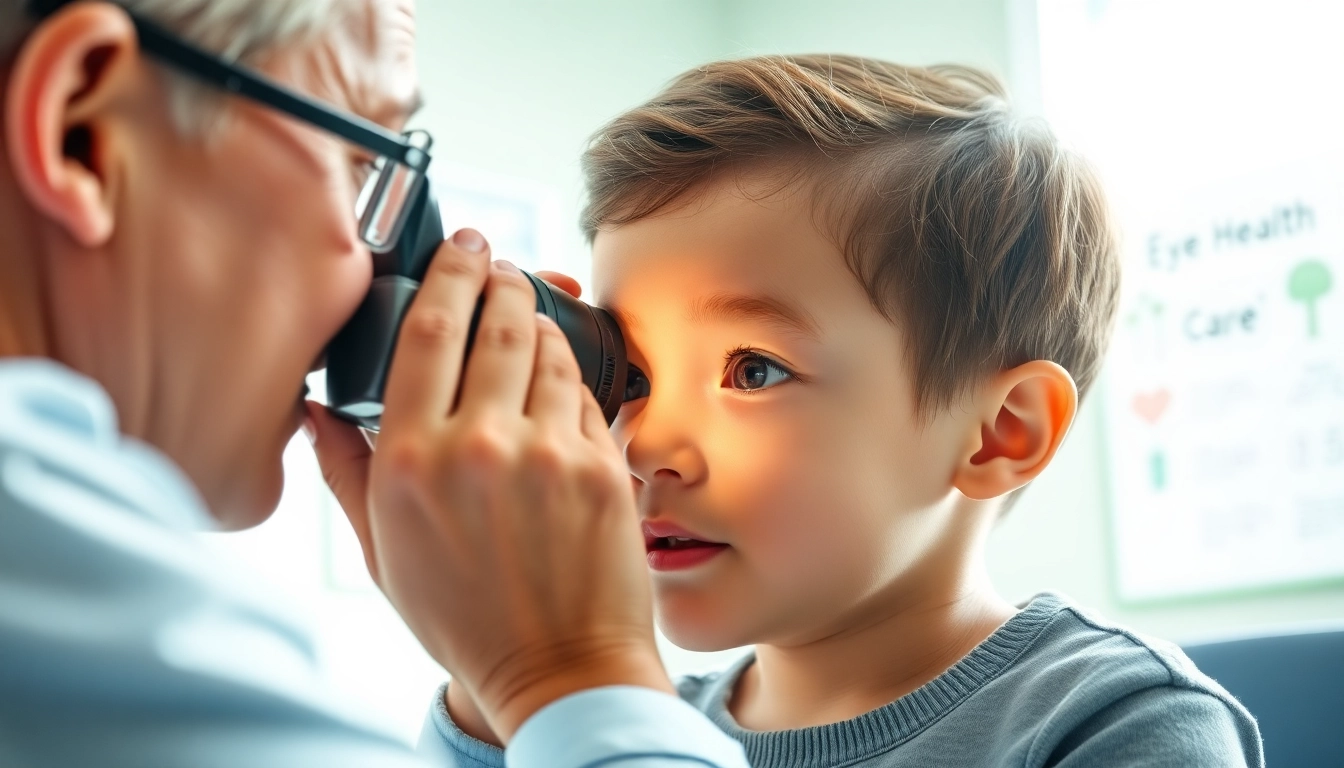
During an eye exam, a pediatric ophthalmologist will conduct a series of tests tailored to children’s developmental stages. These may include visual acuity tests, evaluations of eye alignment, and assessments of eye health. The process is typically engaging and interactive, designed to put children at ease while ensuring comprehensive assessments are performed.
Overcoming Barriers to Eye Care Access
Accessing eye care can pose challenges for many families, particularly in underserved areas where resources are scarce. To address this, community initiatives and partnerships should be developed to facilitate outreach programs that provide free or low-cost eye screenings and glasses for children. Furthermore, educating parents about the importance of eye health can empower them to prioritize their children’s vision needs.
Strategies to Promote Healthy Vision
Promoting healthy vision among children requires a proactive approach involving various strategies. Everyone—from parents to educators—has a role in fostering practices that contribute to good eye health.
Creating a Vision-Friendly Environment
A vision-friendly environment is crucial for children’s visual development. Ensure that spaces where children study and play are well-lit, minimizing screen glare and reducing eye strain. Incorporating regular breaks from screens during homework or playtime can mitigate the risk of digital eye strain and foster healthier visual habits.
Encouraging Healthy Screen Habits
In today’s digital age, screen time has become a significant part of daily life. Setting guidelines for healthy screen use, such as the 20-20-20 rule—encouraging children to take a 20-second break to look at something 20 feet away every 20 minutes—can help maintain visual health. Moreover, monitoring the quality of content and ensuring appropriate age-appropriate exposure can further support healthy viewing practices.
Nutritional Support for Eye Health
Nutrition plays an essential role in maintaining eye health. Encouraging a diet rich in omega-3 fatty acids, leafy greens, and vitamins A, C, and E can support good vision. Foods such as fish, nuts, oranges, and dark leafy vegetables can strengthen eye function and help in the prevention of vision problems.
Understanding the Role of Parent Advocacy
Parents are pivotal advocates for their children’s health, particularly concerning vision care. It is vital for parents to educate themselves about their children’s eye health needs and ensure they have access to appropriate care.
How to Advocate for Your Child’s Eye Health
Advocating for your child’s eye health can involve several strategies, such as initiating open dialogues with educators about potential vision issues in the classroom, ensuring that your child participates in routine eye exams, and discussing any concerns with healthcare providers. By being proactive and informed, parents can significantly influence positive outcomes for their child’s vision.
Resources for Parents on Vision Care
Many resources are available to assist parents in navigating their child’s vision care needs. Websites dedicated to children’s health provide valuable information on developmental milestones in vision, common issues, as well as tips for ensuring healthy habits. Networking with local parent groups can also yield insights and support for addressing specific concerns related to eye care.
Building Community Awareness for Eye Care
Community awareness is crucial in promoting a culture of vision health. Organizing workshops, health fairs, and informational sessions in collaboration with health care providers can disseminate information on the importance of eye care. Schools can implement eye health education in their curriculum, fostering early awareness and instilling lifelong habits in children.
Resources and Support for Children’s Vision
Accessing comprehensive resources and support for children’s vision can significantly alter outcomes. Numerous organizations exist to provide information, resources, and services to improve vision health among youth.
Organizations Supporting Our Children’s Vision
There are various organizations dedicated to children’s vision health. These entities often provide educational materials, host awareness campaigns, and support programs aimed at improving accessibility to eye care. Engaging with such organizations can facilitate improved understanding and action towards tackling vision challenges faced by children.
Finding Local Eye Care Providers
Identifying local eye care practitioners is crucial for timely and effective intervention. Online directories or local health departments usually have lists of qualified pediatric eye care providers. Parents should also consider seeking referrals from pediatricians as they can direct families to trusted specialists in the community.
Funding and Grants for Vision Care Initiatives
Several grants and funding opportunities support vision care initiatives for children. Schools, community health programs, and non-profit organizations can explore these options to provide free eye care services and screening programs to children in need. Understanding the availability of such funding can contribute significantly to expanding services and reaching more children effectively.