The Importance of Choosing the Right Refrigerator
Choosing the appropriate Refrigerator is a pivotal decision for your kitchen. This appliance is not only essential for preserving food and beverages but also significantly influences your kitchen’s overall aesthetic and energy consumption. A well-selected refrigerator can enhance your cooking experience, while a poor choice may lead to energy inefficiencies and dissatisfaction.
Understanding Refrigerator Types
Refrigerators come in a variety of styles and designs, each serving different needs and preferences. Common types include:
- Top Freezer Refrigerators: The classic design features a freezer compartment on top of the refrigerator. These models are typically economical and provide ample storage space for those who need basic refrigeration.
- Bottom Freezer Refrigerators: With the freezer located at the bottom, these refrigerators allow for convenient access to fresh food items at eye level. They are ideal for individuals who use fresh ingredients regularly.
- Side-by-Side Refrigerators: Offering vertical compartments for both the refrigerator and freezer, side-by-side models provide quick access to frequently used items. They are particularly useful for individuals who require easy organization.
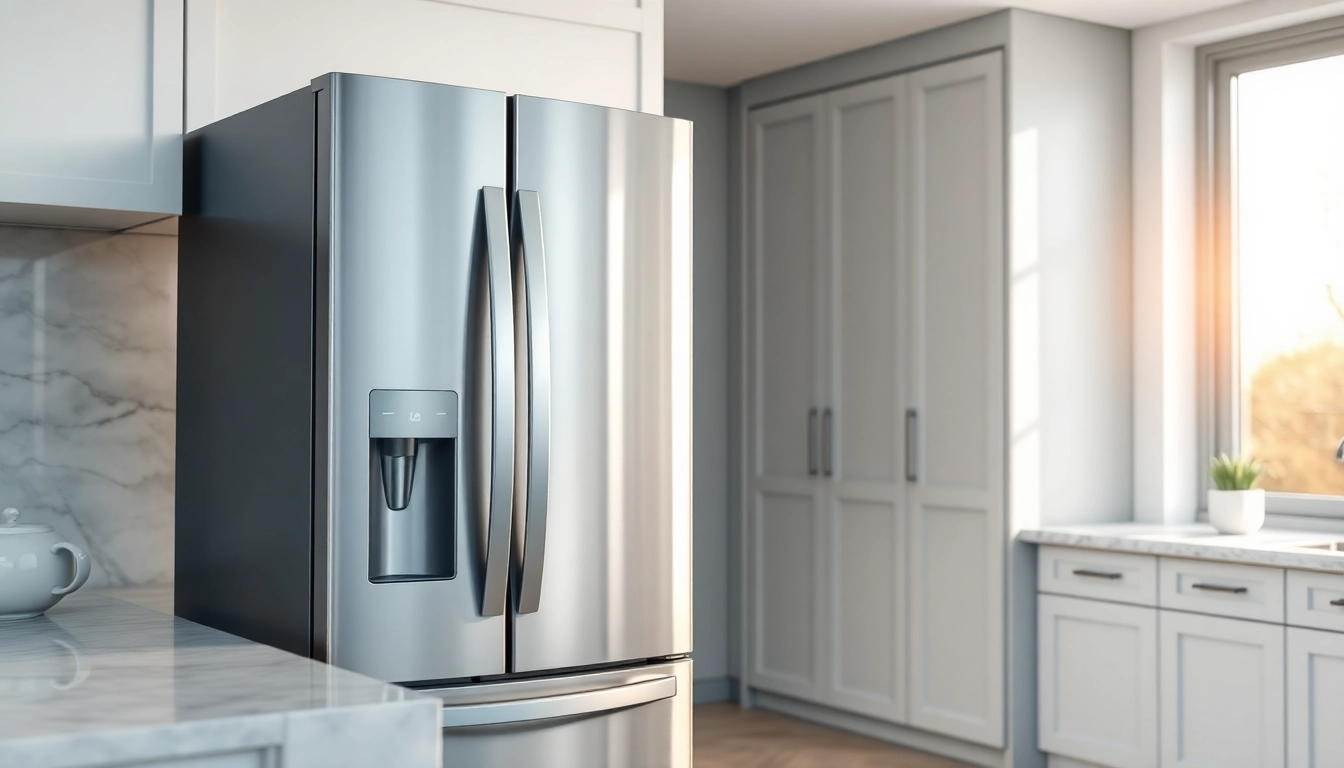
- French Door Refrigerators: This modern design combines the convenience of a side-by-side refrigerator with a bottom freezer, offering wide shelves and advanced features such as water filters and ice dispensers.
- Mini Refrigerators: Perfect for smaller spaces such as dorm rooms or offices, mini refrigerators are compact and efficient for basic storage needs.
Identifying Your Kitchen Needs
Your choice of a refrigerator should reflect your household’s specific needs. Consider the following factors:
- Family Size: Larger families will naturally require a refrigerator with more storage space, while individuals or couples might find a smaller model sufficient.
- Cooking Habits: If you often cook from scratch, opt for a model with spacious fresh food compartments. Conversely, if take-out is your go-to, you might not need as much fresh food storage.
- Kitchen Layout: Measure your available space to ensure your chosen refrigerator fits comfortably and complements the overall kitchen design.
- Special Features: Consider any specific features that may enhance your cooking and dining experience, such as adjustable shelving, smart technology, or energy-efficient options.
How Refrigerators Impact Energy Efficiency
Energy efficiency is a critical aspect of selecting a refrigerator. Energy-efficient models can lead to significant savings on your utility bills and reduce your environmental footprint. The most efficient refrigerators carry an Energy Star label, indicating that they meet strict efficiency guidelines. Factors affecting energy use include:
- Size and Design: Larger units consume more electricity. Understanding your household’s size can guide you in selecting an appropriately sized unit.
- Age of the Appliance: Old refrigerators are typically less efficient. If you own a model older than ten years, consider upgrading to reap energy savings.
- Features: Inverter compressors and LED lighting can improve energy efficiency, offering better temperature control and reduced energy consumption.
Key Features to Consider in a Refrigerator
Storage Capacity and Layout Options
Storage capacity is a fundamental factor in your refrigerator’s utility. Sizes usually range from compact to full-size, and layout options can greatly affect how well you can organize your items. Key considerations include:
- Adjustable Shelves: Look for units with adjustable shelves that can accommodate taller items or create extra space as your needs change.
- Dairy and Produce Drawers: Separate drawers for dairy products and produce can help maintain freshness longer by controlling humidity levels.
- Door Bins: These provide quick access to condiments and smaller items, making organization easier and removing clutter from shelves.
Energy Ratings and Environmental Impact
Understanding energy ratings is vital when purchasing a refrigerator. Look for ENERGY STAR certified models that consume less energy without sacrificing performance. Additionally, consider the environmental impact of different refrigerants used in appliances. Some newer models utilize eco-friendly refrigerants with lower global warming potential, supporting a sustainable approach to refrigeration.
Smart Technology in Modern Refrigerators
The advancement of smart technology has transformed refrigerators into multifunctional appliances. Features may include:
- Wi-Fi Connectivity: This allows you to manage your refrigerator remotely via smartphone apps, giving you control over settings and notifications.
- Touchscreen Displays: Many modern refrigerators come equipped with touchscreen interfaces for easy access to settings and recipes.
- Inventory Management: Some advanced models can track items within your refrigerator, helping minimize spoilage and manage grocery lists.
Common Refrigerator Problems and Solutions
Decoding Temperature Issues
One of the most common refrigerator problems is temperature inconsistency. If your refrigerator is too warm or too cold, it can significantly affect food preservation. Here are some solutions:
- Check the Temperature Settings: Ensure that your refrigerator is set to the manufacturer-recommended temperature, usually between 37°F and 40°F.
- Inspect the Door Seal: Faulty door seals can lead to temperature fluctuations. Check for gaps or debris, and replace seals if necessary.
- Clean the Coils: Dusty condenser coils can impede cooling efficiency. Regular cleaning can help maintain proper airflow and cooling performance.
Handling Noise and Vibration
If your refrigerator is emitting unusual noises or vibrations, it may indicate an underlying issue. Common causes and solutions include:
- Level the Appliance: Ensure your refrigerator is level. Uneven flooring can promote vibrations and noise. Adjust the legs accordingly.
- Check the Fan and Motor: Noisy fans or malfunctioning motors may require replacement or realignment. Regularly inspect these components.
- Positioning: Ensure that stored items do not touch the fan blades, as this can cause additional noise and disrupt operation.
Maintaining Hygiene and Cleanliness
Maintaining hygiene within your refrigerator is crucial for food safety. Regular cleaning can prevent odor, mold growth, and cross-contamination. Suggested practices include:
- Regular Cleaning Schedule: Clean spills as they occur, and aim for a deep clean every few months.
- Use Baking Soda: Keep an open box of baking soda in your refrigerator to neutralize odors and ensure freshness.
- Check Expiry Dates: Regularly discard expired items and leftovers to maintain a clutter-free space.
Buying Guide: What to Look for in a Refrigerator
Budgeting and Price Range Considerations
Setting a budget before shopping for a refrigerator is essential. Prices vary significantly based on features and brand. Determine your price range while considering the long-term savings an energy-efficient model can bring. Always look for deals and discounts, as they can help you find a high-quality appliance within your budget.
Where to Buy: Online vs. Retail
When it comes to purchasing a refrigerator, you have multiple options. Online retailers often provide competitive prices and a broader selection, while physical stores allow you to see and feel the product before buying. Consider the pros and cons of both options, and decide based on your comfort level and necessity.
Important Warranty and Service Details
Ensure that you thoroughly understand the warranty and service details associated with your refrigerator. A comprehensive warranty can save you from unexpected expenses, especially for repairs and maintenance. Evaluate the company’s reputation for customer service and whether they offer extended warranties or coverage for specific parts.
FAQs About Refrigerators
What size refrigerator do I need for my kitchen?
Choose a refrigerator that fits the available space and meets your family’s needs. A general guideline is to allocate 4-6 cubic feet of space per person.
How can I keep my refrigerator energy-efficient?
Keep it full but not overcrowded, maintain the right temperature, clean coils regularly, and choose Energy Star rated models for better efficiency.
What features are essential in a modern refrigerator?
Look for adjustable shelves, humidity-controlled drawers, energy-efficient ratings, and smart features for added convenience.
How often should I clean my refrigerator?
Clean spills immediately and do a deep clean every 3-4 months. Regular checks for expired items are also essential.
What should I do if my refrigerator is making noise?
Check if it’s level, inspect the fan and motor for issues, and ensure items aren’t touching the fan blades to minimize noise.