
Essential African American Cartoons to Inspire Young Minds in 2026
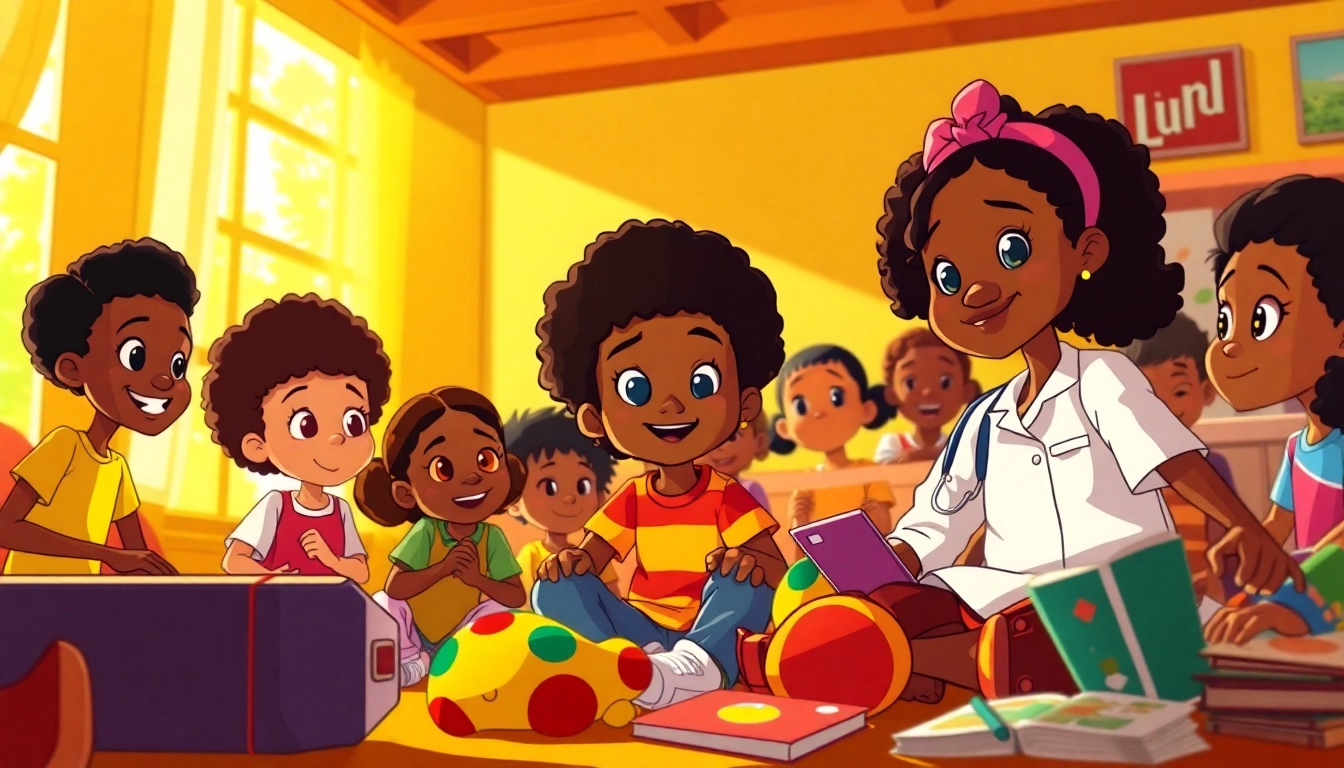
Understanding the Impact of African American Cartoons
African American cartoons play a pivotal role in the realm of animation, serving as vital expressions of culture, identity, and social commentary. From the early days of animation to today’s diverse offerings, these cartoons have not only entertained but also educated audiences about the African American experience. The historical significance of African American characters and stories within animation cannot be understated, and their influence continues to resonate with viewers of all ages. As more platforms emerge to showcase diverse content, African American Cartoons provide an important lens through which to view societal issues and celebrate Black culture.
Historical Significance in Animation
The journey of African American cartoons began during a time when representation in media was minimal at best. Iconic figures such as “Fat Albert” and “The Boondocks” emerged from the creative minds of Black animators who used their platforms to tell stories that resonated with their communities. These early animations broke ground by challenging stereotypes and providing a voice to underrepresented groups. Over the decades, the landscape of animated storytelling has evolved, but the foundations laid by these pioneering works remain relevant and impactful today.
Cultural Representation and Diversity
Cultural representation in animation goes beyond mere visibility; it fosters understanding and appreciation. African American cartoons often incorporate themes that reflect the complexities of Black life, from family dynamics to social justice issues. Series such as “The Proud Family” and “Craig of the Creek” not only showcase diverse characters but also engage in conversations about cultural identity, friendship, and resilience. Such representations invite all viewers to engage with the narratives, fostering empathy and awareness.
The Influence on Young Viewers
Young viewers are particularly impressionable when it comes to media consumption. The presence of African American characters in cartoons allows children to see themselves represented positively, thereby promoting self-esteem and identity formation. Studies have shown that children who engage with diverse media are more likely to develop cultural competence and empathy. By introducing such content into their viewing habits, parents can help cultivate a generation that values diversity and inclusivity.
Top African American Cartoons to Watch in 2026
The year 2026 promises a vibrant selection of African American cartoons that reflect cultural shifts, technological advancements, and increased diversity in storytelling. From classic shows that have stood the test of time to new releases that break the mold, there are plenty of series to keep both children and adults entertained.
Classic Cartoons That Shaped a Generation
- Fat Albert and the Cosby Kids – This 1970s classic brought to life the experiences of inner-city youth and remains a touchstone of cultural discussion.
- The Boondocks – A groundbreaking series that combines humor with incisive social critique, appealing to adult audiences while addressing serious themes.
- The Proud Family – Focusing on family life and cultural heritage, this show has been revived for new audiences with updated storylines and characters.
New Releases and Upcoming Shows
- Young Justice – Although primarily a superhero series, it features diverse characters and has made strides in representation within its storylines.
- Motown Magic – A musical cartoon aimed at young children that introduces them to the classics of Motown, featuring vibrant animation and culturally significant songs.
- Craig of the Creek – This series embraces adventure and friendship while featuring a diverse cast of characters navigating the complexities of childhood.
Must-Watch Educational Series
- Doc McStuffins – Aimed at preschoolers, this series focuses on a young girl who practices medicine, encouraging empathy and understanding of health.
- Gracie’s Corner – A unique blend of storytelling and educational content, this series teaches literacy through songs and engaging narratives.
- Esme & Roy – A fun, engaging series that teaches social-emotional skills through the adventures of a young girl and her monster babysitter.
Character Analysis: Iconic Figures in African American Animation
Characters in African American cartoons often serve as reflections of societal values, struggles, and triumphs. Understanding these characters can provide insights into the narratives being told and the messages being conveyed to audiences.
Exploring Key Traits of Popular Characters
Iconic characters like Huey and Riley Freeman from “The Boondocks” showcase a blend of humor, sharp intellect, and social awareness. Their personalities drive the narratives of their stories and highlight the complexities of Black identity in America. Contrastingly, characters such as Doc from “Doc McStuffins” promote kindness and responsibility, encouraging children to embrace positivity in their daily lives.
The Role of Female Characters in Modern Cartoons
Female characters in African American cartoons have seen significant evolution over the years. In shows like “The Proud Family,” characters are depicted as strong, independent figures who navigate personal and social challenges. This evolution showcases the importance of presenting multifaceted female characters who can inspire young girls and address issues of gender alongside racial identity.
What Makes These Characters Relatable?
Relatability is a key factor in character development. Characters like Penny Proud resonate with audiences because they embody everyday experiences, aspirations, and challenges. Successful narratives often emphasize themes such as family, friendship, and personal growth, allowing viewers to connect deeply with these animated figures.
The Role of African American Cartoons in Education
Beyond entertainment, African American cartoons serve crucial educational purposes, providing opportunities for learning about cultural context, history, and values.
Using Cartoons as Teaching Tools
Educators can leverage the storytelling techniques used in African American cartoons to teach critical thinking and cultural appreciation. By integrating episodes into lesson plans, teachers can facilitate discussions on history, social justice, and identity, making the learning experience more relatable and engaging for students.
Promoting Social and Emotional Learning
Cartoons featuring African American characters also promote social and emotional learning by addressing topics such as empathy, communication, and conflict resolution. Series like “Doc McStuffins” and “Sesame Street” provide frameworks for kids to learn about emotions and develop social skills in a safe environment.
Engagement Strategies for Educators
Incorporating interactive elements such as discussions, creative projects, and role-playing can enhance the educational impact of cartoons. By encouraging students to express their thoughts and feelings about a show, educators can foster deeper understanding and personal connections to the content presented.
Future Trends in African American Animation
The animation industry is continuously evolving, and the future of African American cartoons looks promising. As technology advances and narratives diversify, new trends are bound to emerge.
Emerging Technologies in Animation
The rise of virtual reality (VR) and augmented reality (AR) technologies is paving the way for immersive storytelling in animation. Future African American cartoons may leverage these technologies to create interactive experiences that allow viewers to engage with stories in unprecedented ways, deepening their connection to the characters and themes presented.
Changing Narratives in Storytelling
As society shifts towards greater inclusivity and awareness, narratives in African American animation are also becoming more complex and varied. Expect to see stories that delve into issues of systemic racism, identity, and community resilience, reflecting a broader spectrum of Black experiences and perspectives.
The Path Forward for Diversity in Animation
With increased demand for representation, the animation industry is under pressure to include more diverse voices in both production and storytelling. This trend will likely lead to a richer tapestry of narratives, with African American cartoons at the forefront of cultural dialogue and representation in animated media.