
Enhance Your Space with Vinyl Flooring: Style, Durability, and Value
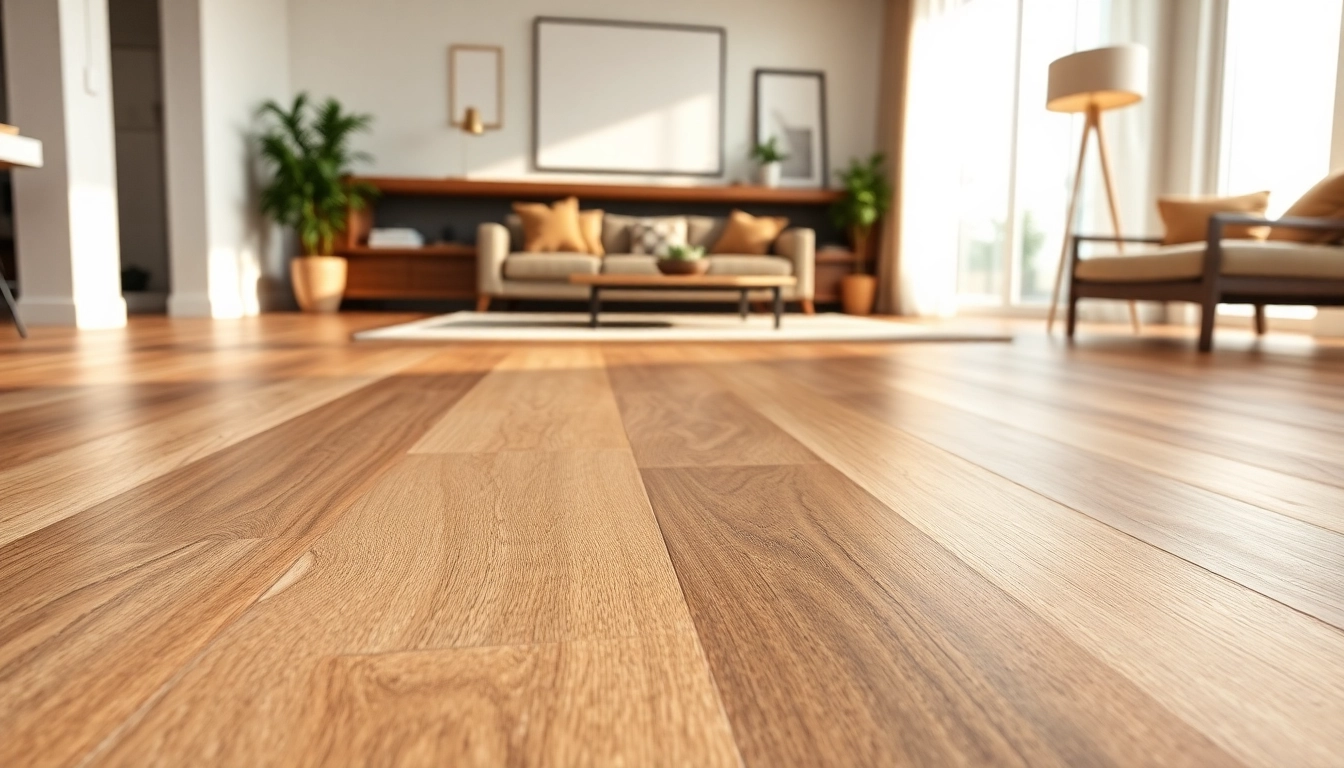
Introduction to Vinyl Flooring
In today’s ever-evolving world of interior design, vinyl flooring has emerged as a versatile and popular choice among homeowners and designers alike. Offering an array of styles and designs that cater to diverse aesthetics, vinyl flooring not only meets practical demands but also enhances the beauty of any space. This article delves into the intricate details of vinyl flooring, exploring its various types, benefits, installation processes, and more to help you make an educated choice for your home.
What is Vinyl Flooring?
Vinyl flooring is a synthetic flooring material composed primarily of polyvinyl chloride (PVC). This type of flooring is engineered to mimic the appearance of natural materials like wood and stone, providing an affordable alternative with impressive aesthetic appeal. Vinyl flooring can be produced in various forms, including sheets, tiles, and planks, making it adaptable for different applications and preferences.
Vinyl flooring is particularly known for its durability and resilience, making it suitable for high-traffic areas, kitchens, and bathrooms. It is available in numerous patterns, colors, and textures, allowing homeowners to achieve the desired look without breaking the bank. As a modern flooring solution, vinyl flooring integrates well with technology, offering advantages such as easy installation and maintenance.
Benefits of Vinyl Flooring
The popularity of vinyl flooring can be attributed to its myriad benefits, which include:
- Affordability: Vinyl flooring is typically more cost-effective than hardwood or stone alternatives, making it an attractive option for budget-conscious consumers.
- Durability: Engineered to withstand wear and tear, vinyl can last for decades when properly maintained, making it an investment worth considering.
- Water Resistance: Many vinyl products are waterproof, making them ideal for moisture-prone areas like kitchens, bathrooms, and laundry rooms.
- Easy Maintenance: Vinyl flooring requires minimal maintenance efforts. Regular sweeping and occasional mopping will keep it looking new.
- Comfort Underfoot: Vinyl flooring often feels softer and warmer underfoot compared to tile or hardwood, enhancing comfort in living spaces.
Common Misconceptions
Despite its popularity, several misconceptions surround vinyl flooring:
- Looks Artificial: Many believe that vinyl flooring lacks the beauty of natural materials. However, advances in design technology enable vinyl to closely replicate the look of real wood and stone.
- Not Eco-Friendly: While traditionally vinyl flooring has received criticism for environmental impact, many manufacturers now produce eco-friendly options with recycled materials and low VOC emissions.
- Only for Budget Options: Vinyl flooring comes in a vast range of prices and styles, often appearing in luxurious settings, proving it isn’t solely limited to budget restrictions.
Types of Vinyl Flooring
Understanding the different types of vinyl flooring is crucial for making an informed decision. Each type caters to specific needs and preferences, so consider your unique situation when selecting the best option.
Luxury Vinyl Plank vs. Vinyl Sheet
Luxury Vinyl Plank (LVP) and vinyl sheets are two primary types of vinyl flooring, each with its unique features:
- Luxury Vinyl Plank (LVP): Designed to closely resemble hardwood, LVP is available in planks that interlock or glue down for secure installation. It offers a more realistic wood-like texture and is versatile for various design themes.
- Vinyl Sheet: Traditional vinyl sheet flooring is a seamless option available in large rolls. It is exceptionally effective at preventing moisture penetration, making it ideal for bathrooms and kitchens.
Overall, LVP tends to provide more variety in appearance, while vinyl sheets are typically easier to install in large areas.
Waterproof Options for Every Room
Given the versatility of vinyl flooring, you’ll find waterproof options that can be used throughout your home. Kitchens and bathrooms benefit from flooring that can withstand spills and high humidity.
Luxury Vinyl Plank products often feature extensive waterproof layers that provide longevity and durability against moisture damage. Additionally, these waterproof designs are generally resistant to staining, ensuring that spills are manageable and easy to clean.
This resilience makes vinyl flooring a practical choice in spaces that frequently face water exposure, enabling you to maintain aesthetic appeal without sacrificing functionality.
Eco-Friendly Vinyl Flooring Choices
With increasing awareness regarding sustainable living, many manufacturers are prioritizing eco-friendly vinyl flooring. These products often feature:
- Recycled Materials: Many eco-friendly options use recycled materials, reducing dependence on virgin plastics.
- Low VOCs: Eco-conscious manufacturers create vinyl flooring with low volatile organic compound (VOC) emissions, promoting healthier indoor air quality.
- Longevity: Durable vinyl options minimize waste over time, as they often have longer lifespans compared to traditional materials.
By choosing eco-friendly vinyl flooring, you can enjoy modern design solutions while also contributing to a healthier planet.
Choosing the Right Vinyl Flooring
When selecting the right vinyl flooring for your home, several factor play into your decision. By carefully considering these aspects, you can ensure the best fit for your needs.
Factors to Consider When Selecting
There are numerous factors to weigh when choosing vinyl flooring:
- Location: Identify the primary areas where the flooring will be installed. Functionality and durability are crucial considerations in high-traffic areas.
- Style and Aesthetic: Determine what visual aspects appeal to you and your home’s existing design. Consider colors, textures, and patterns that reflect your personal style.
- Budget: Establish a budget that reflects the balance between quality and affordability while also including installation costs.
Color and Style Aligning with Home Décor
Selecting a color palette and style that aligns with your home décor is pivotal. Trends are important, but personal taste should take precedence. Here are some considerations:
- Neutral Colors: Choosing neutral shades allows for flexibility in future design changes, making it easier to update other elements in the room.
- Natural Textures: Patterns and textures that mimic natural materials can enhance authenticity and warmth in a space.
- Coordinating with Existing Elements: Ensure the vinyl flooring complements furniture, wall colors, and other interior design components to create a cohesive look.
Cost Considerations and Budgeting
When budgeting for vinyl flooring, costs can vary significantly depending on quality, type, and installation method. Here’s a breakdown to guide your financial planning:
- Material Costs: Prices range based on the grade of flooring – luxury options typically cost more.
- Installation Costs: DIY installations can save money, but professional help may be necessary for optimal results, especially for LVP.
- Long-Term Value: Consider the cost per square foot against the anticipated lifespan to evaluate the overall value of the investment.
Vinyl Flooring Installation Process
Understanding the installation process of vinyl flooring is essential, whether you plan to tackle the job yourself or hire professionals. Here’s a comprehensive overview.
Preparation Steps for Installation
Before installation, certain steps are critical:
- Subfloor Preparation: Ensure the subfloor is clean, dry, and level. Any imperfections can affect the finished flooring.
- Acclimation: Allow the vinyl flooring to acclimate in the room for at least 48 hours before installation to prevent expansion or contraction.
- Gather Tools: Depending on the installation method, have the necessary tools ready, including utility knives, straight edges, and adhesives (if needed).
DIY Installation vs. Professional Help
Deciding between DIY installation and hiring professionals hinges on your comfort level and expertise.
- DIY Installation: Many vinyl flooring options are designed for easy installation, making them ideal for determined DIY enthusiasts.
- Professional Installation: For intricate designs or LVP, seeking professional help can save time and ensure a flawless finish.
Weigh the pros and cons of each option to determine which suits your project best.
Maintenance Tips After Installation
Once the vinyl flooring is installed, ongoing maintenance is essential to preserve its beauty and longevity. Follow these tips:
- Regular Cleaning: Sweep or vacuum daily to prevent dirt buildup. Use a damp mop with pH-neutral cleaning agents for more thorough cleaning.
- Avoid Harsh Chemicals: Steer clear of abrasive cleaners that can damage the surface finish of the flooring.
- Preventive Measures: Use floor mats in entryways to minimize dirt tracked into your home. Consider furniture pads to prevent scratches.
Frequently Asked Questions about Vinyl Flooring
How long does vinyl flooring last?
With proper maintenance, vinyl flooring can last anywhere from 10 to 30 years, depending on the quality and type chosen.
Can vinyl flooring be installed over existing floors?
Yes, vinyl flooring can often be installed over existing floors as long as they are level, clean, and dry. However, it’s best to consult manufacturer guidelines first.
Is vinyl flooring safe for kids and pets?
Vinyl flooring is generally safe for kids and pets. It is non-toxic, hypoallergenic, and easy to clean, making it a practical choice for households.
How do you clean and maintain vinyl flooring?
For maintenance, regularly sweep and damp mop with a pH-neutral cleaner. Avoid harsh chemicals and abrasive scrubbers that could damage the surface.
What is the cost range for vinyl flooring?
The cost for vinyl flooring can range from $2 to $7 per square foot, depending on the material type, design, and whether professional installation is required.
