Understanding Traction Boards
What are Traction Boards?
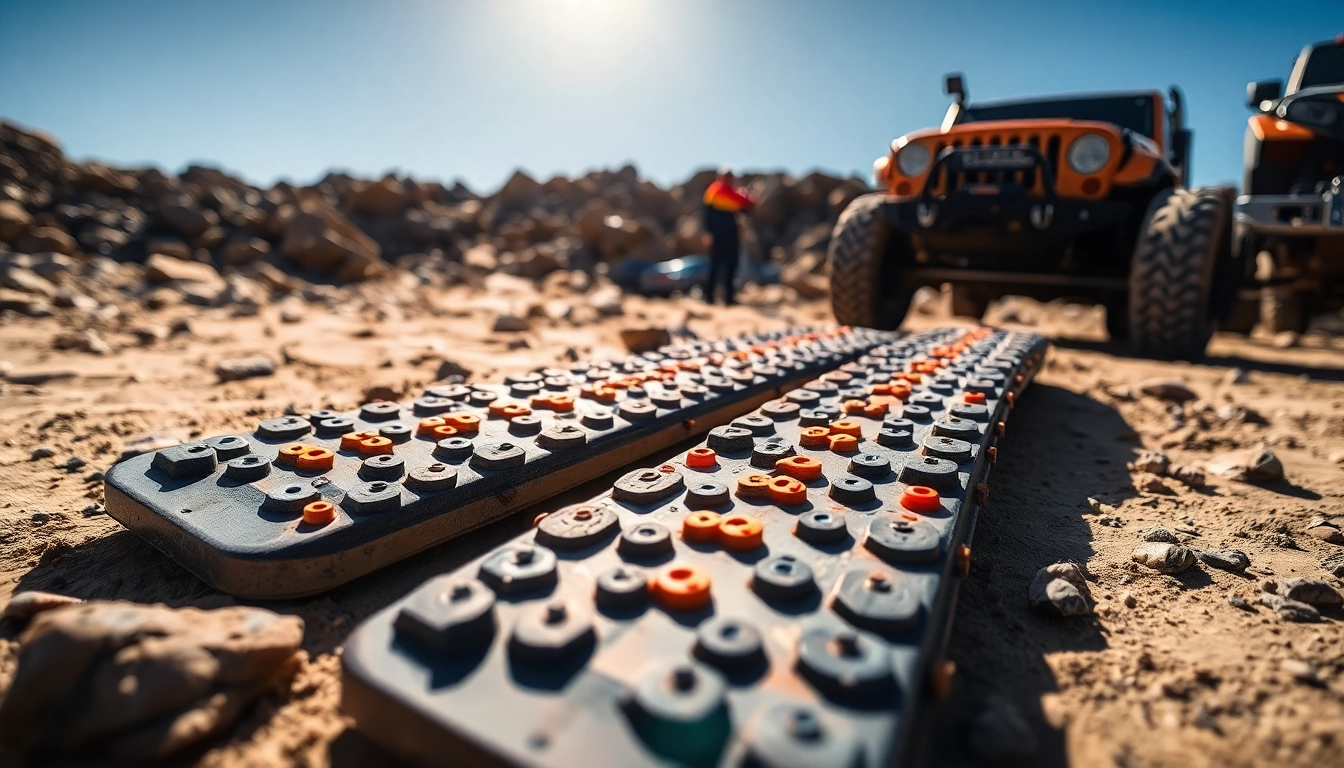
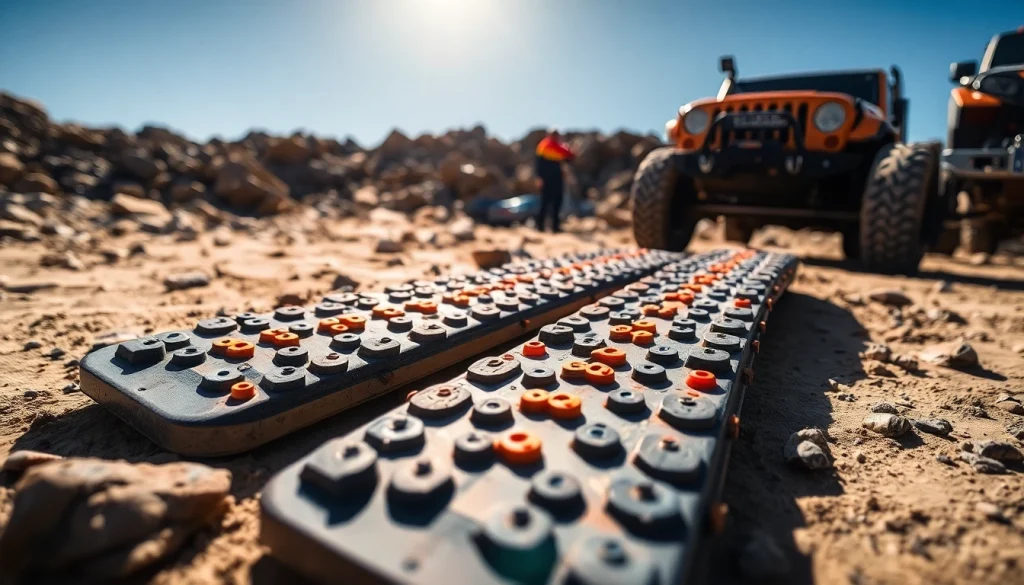
Traction boards are essential tools for off-road enthusiasts and adventurers who often encounter challenging terrains. These devices are designed to provide grip and traction for vehicles stuck in mud, sand, or snow. Constructed from robust materials, traction boards work by enabling the tires of a vehicle to gain traction on slippery surfaces, effectively allowing for self-recovery without needing a winch or heavy machinery. The need for Traction Boards has increased significantly as more individuals engage in off-road activities, highlighting their crucial role in outdoor exploration.
How Traction Boards Work
The fundamental mechanics of traction boards involve a combination of design and friction. When a vehicle becomes stuck, deploying traction boards beneath the tires creates a solid surface. This mitigates the wheels’ tendency to spin without gaining any forward motion. To use traction boards effectively, a driver places them in front of or behind the stuck tires, depending on the vehicle’s intent to move forward or backward. Several design features, such as raised patterns and construction materials, enhance their effectiveness in digging into grassy or sandy surfaces while providing a durable, supportive grip.
Common Materials Used in Traction Boards
Traction boards are typically made from high-density polyethylene (HDPE) or reinforced plastics, known for their resilience and lightweight properties. HDPE is especially effective in combatting the rigors of off-road use due to its resistance to harsh weather conditions and UV light. Some premium models incorporate aluminum or metal parts for added durability and performance. Additionally, many traction boards come equipped with built-in handles for easier handling and transport, making them user-friendly options for all drivers.
Benefits of Using Traction Boards
Improved Vehicle Recovery
One of the most significant advantages of using traction boards is the substantial improvement in vehicle recovery. These tools allow drivers to extricate themselves from precarious situations without relying on external assistance. In off-roading, getting stuck is commonplace; thus, having a pair of traction boards on hand can mean the difference between a successful adventure and a frustrating, long wait for help. Their effectiveness in various terrains and situations assures users that they can tackle challenging environments confidently.
Cost-Effectiveness for Off-Roading
Traction boards are financially worthwhile for off-roaders. While other recovery methods, like employing winches or towing services, can entail hefty costs, traction boards present a more affordable alternative. They are typically priced between $100 and $300, making them a favorable investment for both casual and hardcore off-roaders. Their repeated usability not only saves money over time but also means drivers can rely less on hiring outside help, leading to a more autonomous adventure experience.
Enhancing Safety While Adventuring
Safety is paramount in any adventure, especially in off-roading scenarios. Traction boards contribute significantly to overall safety by providing a reliable means to recover stuck vehicles, reducing the likelihood of dangerous situations that could occur when trying to push a vehicle out or when waiting for assistance in potentially hazardous environments. Moreover, these boards are built to withstand extreme conditions, ensuring users have dependable gear to rely on when challenges arise.
Choosing the Right Traction Boards
Key Features to Consider
When selecting the best traction boards for your vehicle, several key features warrant consideration. First and foremost, assess the board’s grip design. Look for boards that feature strong, raised patterns which increase friction and improve traction. Additionally, weight considerations can be crucial; lighter boards are easier to transport, while heavier models may offer enhanced durability. It’s also beneficial to check for integrated handles for easier handling during deployment. Lastly, special features like built-in shovels can be a notable advantage.
Size and Weight Considerations
Size and weight are vital factors for selecting traction boards. Typically, boards range in size from 30 to 50 inches in length, with longer boards providing more surface area for traction. However, larger boards may also add weight, affecting ease of transport. For daily drivers or casual off-roaders, smaller, more portable options might be sufficient. If off-roading frequently occurs in extreme conditions, investing in more robust, heavier-duty models could be beneficial.
Brand Reputation and Reviews
Before making a final decision, it’s essential to evaluate brand reputation and user reviews. Research online platforms to discover which brands consistently receive positive feedback for their traction boards. Take a look at customer testimonials to gauge how these boards perform in real-world scenarios and the level of customer service provided by the manufacturer. This information can be invaluable for making a knowledgeable purchase that aligns with your specific needs.
How to Use Traction Boards Effectively
Placement Techniques for Maximum Grip
Using traction boards effectively requires understanding the best placement techniques. When your vehicle is stuck, approach the scenario by assessing which direction you intend to move—forward or backward. Place the boards at an angle or flat under the tires, depending on the surface and the direction. If you’re in sand or mud, angling the boards to dig into the ground can provide additional grip. Ensure the boards are fully flat and stable before attempting to drive out.)
Common Off-Road Scenarios
Traction boards shine in various off-road scenarios. They are particularly effective in soft terrain conditions such as sand dunes, mud puddles, or snowy tracks. For instance, in deep sand, spreading traction boards in front of the tires gives them the necessary grip to pull the vehicle out of the sand, while in mud, strategically placing the boards can prevent the wheels from spinning uselessly. Understanding these scenarios enables drivers to leverage their traction boards maximum potential.
Maintenance Tips for Longevity
To maximize the lifespan of your traction boards, regular maintenance is crucial. After use, clean them thoroughly to remove dirt, sand, or mud that can degrade their material over time. Store them in a dry, shaded area to prevent UV damage or warping. Inspect for cracks or wear after each use, as early detection allows for repairs or replacements when needed. Maintaining attention to these steps guarantees your traction boards remain effective and reliable.
FAQs About Traction Boards
Are traction boards worth the investment?
Yes, they provide an affordable, reusable solution for self-recovery in off-road scenarios, making them worthwhile for off-road enthusiasts.
How portable are traction boards?
Most traction boards are designed with portability in mind, with lightweight materials and size configurations to easily fit in vehicle storage compartments.
Can traction boards work in mud and snow?
Absolutely! Traction boards are effective in both mud and snow, providing the necessary grip for vehicle recovery in these challenging conditions.
How long do traction boards last?
With proper maintenance, traction boards can last for several years, though usage frequency and exposure to harsh elements can impact durability.
Do traction boards require any special care?
While they are designed to withstand various conditions, routine cleaning and proper storage enhance traction boards’ longevity and performance.