
Enhancing Your Kitchen: The Essential Role of Hoods
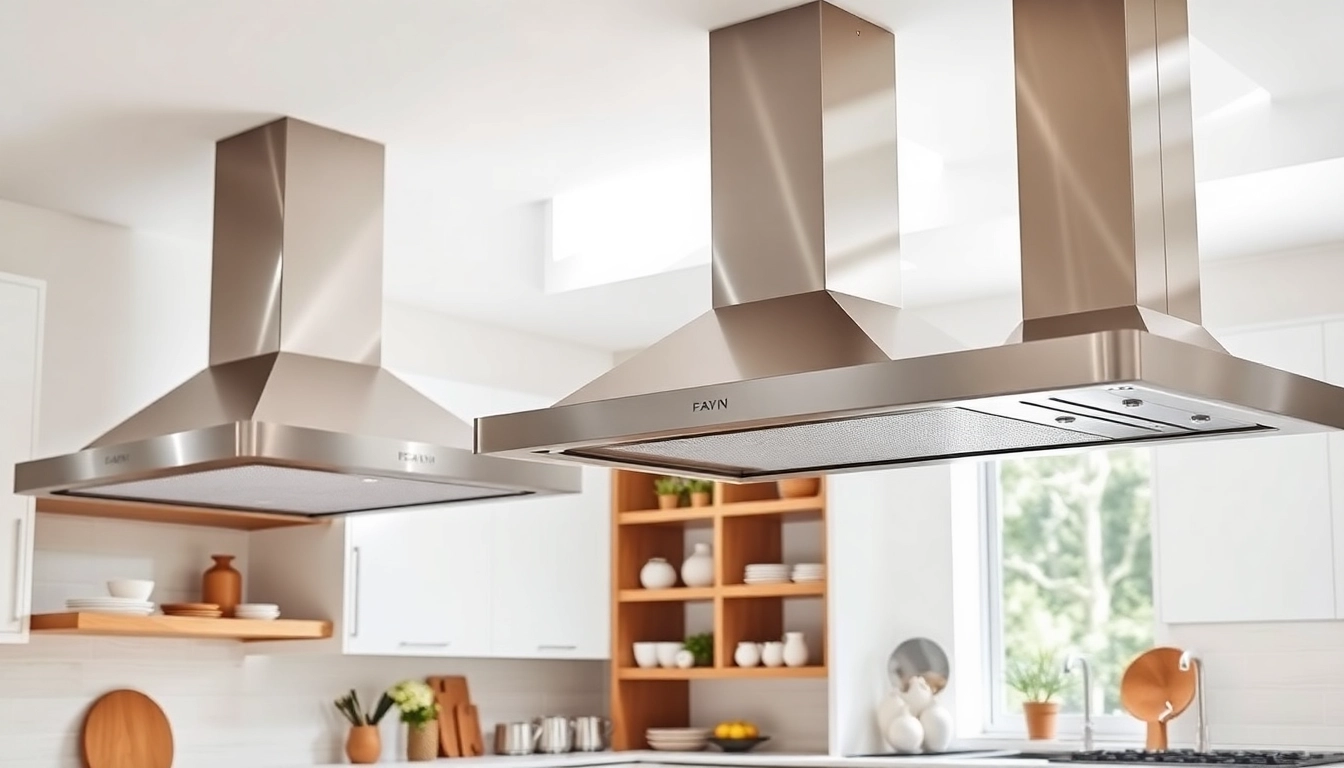
Understanding the Importance of Hoods
Hoods play a critical role in the functionality and aesthetics of modern kitchens. Not only do they improve air quality by removing smoke, steam, and odors, but they also enhance the overall design of the cooking space. This article explores the various aspects of hoods, including their types, choices, installation, and maintenance tips to help you make informed decisions when selecting and caring for this essential kitchen equipment. From understanding the key features to ensuring proper upkeep, this guide will provide you with the comprehensive information you need about hoods.
What are Hoods?
A hood is a device that hangs over the cooking area to ventilate the kitchen. It works by suctioning smoke, grease, and heat produced while cooking, thus allowing for a cleaner and more comfortable cooking environment. Kitchen hoods can vary in style, size, and functionality, catering to the diverse needs of different kitchen designs and cooking habits.
Why Hoods Matter in Kitchen Design
The selection of hoods contributes significantly to both the functionality and visual appeal of a kitchen. They help to keep the air clean, which is vital for your health and safety, particularly in enclosed spaces. A well-designed hood can serve as a striking focal point in your kitchen, with various styles available to suit modern, traditional, or contemporary aesthetics. Additionally, kitchen hoods play a critical role in managing humidity and heat, preventing the kitchen environment from becoming too uncomfortable during cooking sessions.
Types of Hoods and Their Features
Understanding the different types of hoods is essential for choosing the right one for your kitchen. Here are the four primary types:
- Under-Cabinet Hoods: These hoods are mounted underneath kitchen cabinets and are an excellent space-saving option that provides powerful ventilation without taking up too much room.
- Wall-Mounted Hoods: As the name suggests, these hoods are installed on the wall above a cooking range. They usually feature a more decorative design and can act as a central design element in a kitchen.
- Island Hoods: Perfectly suited for kitchens with island cooktops, these hoods hang from the ceiling and provide an unobstructed view while efficiently venting heat and smoke.
- Downdraft Hoods: This type is built into the countertop or cooktop itself, rising upwards during operation and retracting when not in use. They are favored in kitchen designs where a clean sightline is essential.
Choosing the Right Hoods for Your Kitchen
Factors to Consider When Selecting Hoods
When choosing hoods, several factors should be considered:
- Size: Selecting the right size is crucial for optimal performance. Hoods should ideally be as wide as or wider than the range it covers.
- CFM Rating: The CFM (Cubic Feet per Minute) rating indicates the hood’s ventilation power. Depending on how often you cook and the type of cooking you do, look for a CFM that adequately meets your needs.
- Noise Levels: Consider the noise levels of the hoods during operation. Some models are quieter than others, which can be an important feature if the kitchen opens to other living areas.
- Style: Choose a style that complements your kitchen’s decor. There are sleek modern designs, rustic finishes, and everything in between.
Common Materials Used in Hoods
The materials used for hoods can affect durability, maintenance, and appearance:
- Stainless Steel: Incredibly popular for its durability, sleek look, and ease of cleaning.
- Copper: Offers a unique aesthetic appeal, often used in traditional designs, although it requires more maintenance to prevent patina.
- Aluminum: Lightweight and cost-effective, but may lack the visual impact of stainless steel or copper.
- Glass: Provides a modern and elegant touch but may demand more frequent cleaning due to visibility of smudges.
Budgeting for Quality Hoods
Before purchasing a hood, it’s essential to establish a budget. The cost can vary significantly based on its type, size, material, and features. While high-quality hoods can be more expensive upfront, investing in durable product can lead to long-term savings through reduced maintenance and improved efficiency. Be sure to weigh the importance of aesthetics, performance, and your kitchen’s specific needs when determining your budget.
Installation Tips for Hoods
DIY Installation Process for Hoods
If you are considering a DIY installation, it’s crucial to follow the manufacturer’s instructions carefully:
- Gather all necessary tools, including a drill, screwdriver, level, and measuring tape.
- Ensure the area is prepared by measuring the proper height for mounting (generally, 24-30 inches above the cooking surface).
- Secure the mounting brackets to the wall or under the cabinet based on the chosen type.
- Install the ductwork if necessary and attach the hood to the brackets, ensuring it is level.
- Connect the power supply and make sure everything is operational before testing the unit.
Professional Installation: When to Seek Help
If your installation involves complex ductwork, involves heavy lifting, or if you are not confident with electrical connections, hiring a professional may be the best course of action. A qualified installer will ensure that your hood is safely and efficiently installed, meeting local building codes and performance expectations.
Placement and Height Considerations
The placement of your hood is key to its effectiveness. Generally, hoods should be installed 26 to 30 inches above the cooktop for optimal performance. This height allows adequate airflow while minimizing heat exposure. Additionally, if the hood is too low, it can obstruct your cooking area, while placing it too high may decrease its efficiency.
Maintenance of Hoods
Regular Cleaning Techniques for Hoods
Maintaining your hoods is essential for ensuring longevity and optimal performance. Regularly clean both the exterior and the filters. For exterior surfaces, mild soap and warm water is usually sufficient, while filters may require soaking in a degreaser solution or running through the dishwasher, depending on the type. Monthly cleaning is recommended to avoid grease buildup, which can present fire hazards and reduce airflow.
Identifying Common Issues with Hoods
Common issues include insufficient ventilation, abnormal noises, and lighting problems. If the CFM seems inadequate, check for clogs or duct obstructions. Noises may indicate loose parts or motor issues, while lighting problems could relate to burnt-out bulbs or electrical issues. Addressing these issues early can help prolong the hood’s life and maintain efficient operations.
Upgrades and Replacements for Hoods
As technology advances, sometimes upgrading your hood can offer better performance and features. When considering an upgrade, look for models with enhanced CFM ratings, quieter operation, and improved energy efficiency. If your current hood is ten years old or more, it may be time to replace it entirely to take advantage of modern advances in design and technology.
FAQs About Hoods
What are the different types of hoods available?
Hoods can be categorized into under-cabinet, wall-mounted, island, and downdraft models, each serving different kitchen layouts.
How do I choose the right size for hoods?
Choosing the correct size depends on the cooking surface; typically, hoods should be wider than the stove by at least 3 inches on each side.
What materials are best for hoods?
Stainless steel is popular due to its durability and easy maintenance, while copper hoods add a unique aesthetic to kitchens.
How often should I clean hoods?
It’s recommended to clean hoods monthly, especially the filters, to ensure optimal performance and avoid grease buildup.
Can hoods affect indoor air quality?
Yes, hoods help remove smoke, steam, and odors, improving air quality and overall comfort in the kitchen during cooking.