Understanding the Basics of Structural Steel Fabrication
Definition and Importance of Structural Steel Fabrication
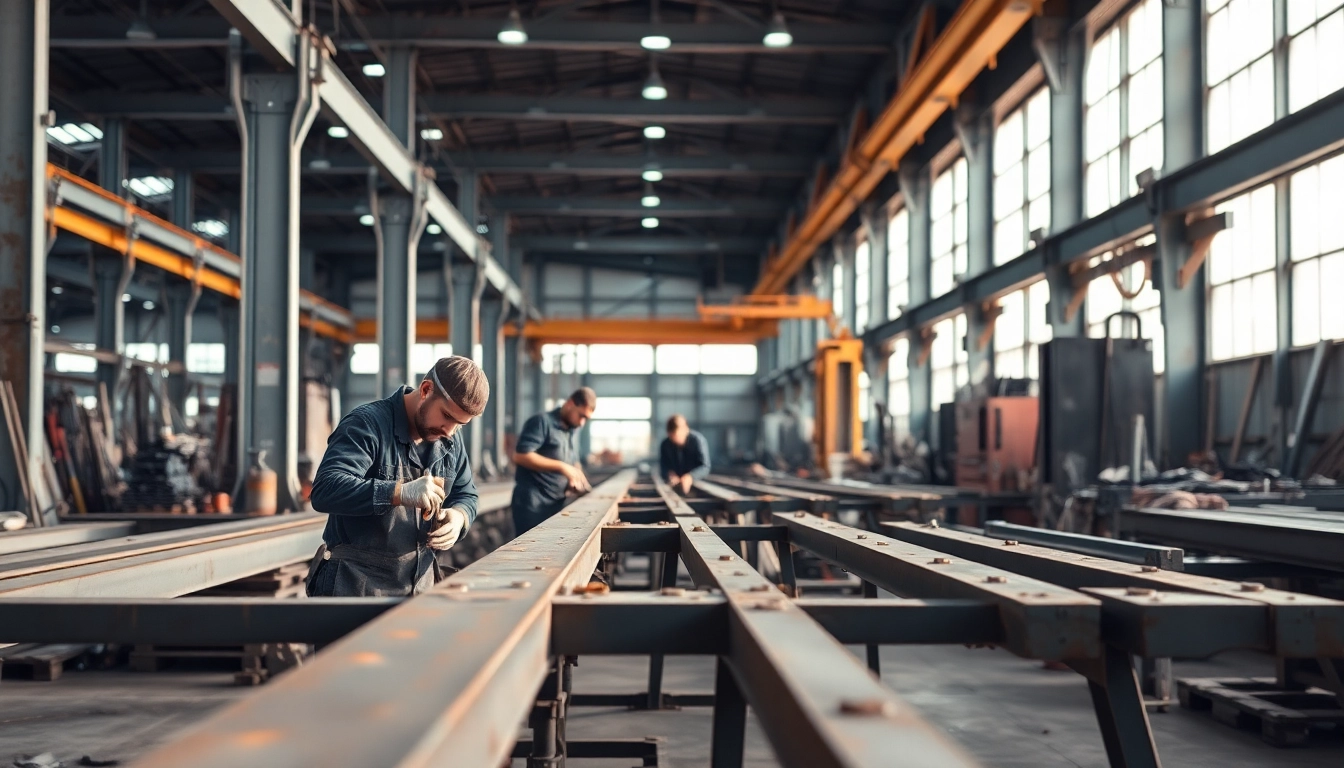
Structural steel fabrication is a crucial process in the construction industry, involving the preparation and alteration of steel materials to create structural components used in various building projects. This process entails cutting, bending, and assembling steel into various configurations to meet the designs specified by architects and engineers. The importance of structural steel fabrication cannot be overstated, as it ensures that steel components not only meet structural integrity requirements but also adhere to safety and design standards.
Steel is the backbone of modern infrastructure; from skyscrapers to bridges, it offers unparalleled strength and durability. The accuracy involved in the fabrication process plays a significant role in enhancing the overall performance and longevity of structures. Consequently, understanding the intricacies of structural steel fabrication is essential for professionals aiming to achieve quality outcomes in their projects.
Common Materials Used in Structural Steel Fabrication
The primary material used in structural steel fabrication is, unsurprisingly, steel itself. However, within this umbrella, there are several specific types and grades of steel that are commonly utilized:
- Carbon Steel: This is the most widely used type of steel in construction due to its strength and affordability. It consists of iron and carbon, with varying carbon content influencing its properties.
- Alloy Steel: Alloy steels contain additional elements such as manganese, vanadium, nickel, or chromium. These add specific traits like enhanced toughness, corrosion resistance, or heat resistance, making them suitable for specialized applications.
- Stainless Steel: Known for its excellent corrosion resistance, stainless steel is often used in environments that demand high cleanliness or resistance to environmental factors.
- High Strength Low Alloy Steel: This type is designed to increase the strength of steel while using lower amounts of alloying elements, optimizing weight and cost in structural applications.
Beyond steel, other materials like bolts, welds, and fasteners are essential in ensuring the structural components fit together effectively.
Applications of Structural Steel Fabrication Across Industries
The applications for structural steel fabrication are broad and varied, spanning multiple industries:
- Construction: Buildings, bridges, and other infrastructure projects rely heavily on fabricated steel to create stable frameworks.
- Aerospace: In aerospace applications, steel is used in the manufacturing of lightweight frames and support structures.
- Automotive: The automotive industry utilizes fabricated steel components for both structural integrity and aesthetic finishing.
- Oil and Gas: Fabricated steel is essential for creating pipelines, drilling rigs, and other critical infrastructure within this sector.
The Structural Steel Fabrication Process Explained
Key Steps in the Structural Steel Fabrication Process
The fabrication process of structural steel involves multiple steps where precision and attention to detail are paramount. Here’s a step-by-step breakdown:
- Design and Planning: This initial phase involves collaboration with architects and engineers to create detailed plans that meet all specifications.
- Material Selection: The appropriate steel type is selected based on the project requirements, considering factors such as strength, weight, and environmental conditions.
- Cuts and Shapes: Steel is cut and shaped according to the design specifications through processes like sawing, shearing, and plasma cutting.
- Assembly: Cut pieces are assembled using welding, bolts, or rivets to create larger structural components.
- Finishing: Components are finished with protective coatings to enhance durability and resist environmental damage.
- Quality Control: Rigorous quality control checks ensure that finished products meet safety and design standards before they are sent to site.
Tools and Equipment Essential for Efficient Fabrication
Fabrication shops utilize a variety of tools and equipment to ensure efficient and accurate fabrication of structural steel:
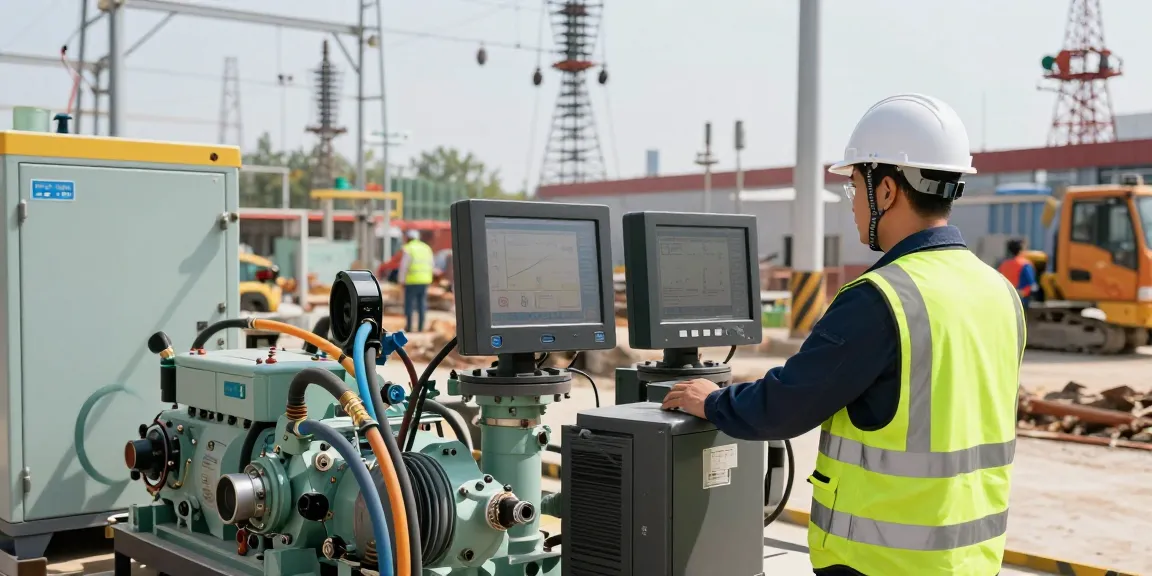
- CNC Machines: Computer Numerical Control (CNC) machines are essential for making precise cuts and shapes required in fabrication.
- Welding Equipment: Various types of welding equipment, including MIG, TIG, and Stick welders, enable strong joints between steel components.
- Band Saw and Shearing Machines: These are used for cutting steel sheets and beams to specified lengths and shapes.
- Drilling Machines: Used for creating holes in steel components for bolting and assembly.
Quality Control Measures in Structural Steel Fabrication
Ensuring the quality of fabricated steel components is vital to the safety and effectiveness of the final structure. Various quality control measures include:
- Material Inspection: Incoming materials are checked for specifications and defects before work begins.
- Dimension Tolerance Checks: Regular measurements are taken during the cutting and assembly stages to ensure components meet design specifications.
- Welding Inspections: Welded joints are checked using techniques such as ultrasonic testing or X-ray inspections to confirm their integrity.
- Final Review: Before shipping, final inspections are conducted to verify that the product conforms to all standards and specifications.
Innovations in Structural Steel Fabrication Techniques
Advancements in Technology for Structural Steel Fabrication
Technological advancements have transformed the landscape of structural steel fabrication, leading to increased efficiency and precision. Some notable innovations include:
- 3D Modeling: Advanced software enables the creation of comprehensive 3D models, which facilitate precise project visualization and planning.
- Robotic Automation: Robots are increasingly used for repetitive tasks, enhancing speed and consistency while reducing human error.
- Material Handling Systems: Automated material handling solutions streamline the movement of raw materials and finished components within fabrication facilities.
The Role of Automation in Modern Fabrication Shops
Automation plays a pivotal role in modern structural steel fabrication shops. The integration of automated equipment facilitates many aspects of production:
- Enhanced precision and speeds lead to higher output with less waste.
- Improved safety as machines perform dangerous tasks, reducing the risk to human workers.
- Greater consistency in product quality, ensuring each piece meets identical specifications.
Eco-Friendly Practices in Structural Steel Fabrication
Environmental sustainability is becoming a focal point in the steel fabrication industry. Key eco-friendly practices include:
- Recycling Steel: Utilizing recycled materials not only minimizes waste but also conserves energy compared to manufacturing new steel.
- Waste Reduction Techniques: Implementing strategies such as optimized cutting plans to minimize scrap.
- Energy-Efficient Machinery: Investing in energy-efficient equipment and renewable energy sources reduces the carbon footprint of fabrication processes.
Cost Factors and Budgeting for Structural Steel Fabrication
Analyzing Material Costs in Structural Steel Fabrication
Material costs are a significant factor in the overall budget for a structural steel fabrication project. Factors influencing material costs include:
- Market Fluctuations: Steel prices can vary based on global market conditions, affecting overall project costs.
- Material Grade: Higher-grade materials tend to come at a premium price, impacting budget considerations.
- Quantity: Larger projects can benefit from economies of scale, potentially reducing per-unit material costs.
Labor and Overhead Considerations in Project Pricing
Labor costs are another critical component of the fabrication budget. Factors to consider include:
- Skill Level: Higher-skilled labor such as certified welders commands higher wages but ensures greater quality and safety.
- Time Estimates: Accurate estimation of labor hours necessary for fabrication tasks is crucial for budgeting.
- Overhead Costs: These include fixed costs like facilities, utilities, and administrative expenses that should be allocated to project pricing.
Estimating Projects from Concept to Completion
Proper project estimation is vital for ensuring the successful completion of fabrication jobs. Steps involved in accurate estimation include:
- Comprehensive Designs: Begin with a detailed design plan that includes all components to be fabricated.
- Quantity Take-off: Calculate the quantity of materials and labor needed based on project specifications.
- Risk Assessment: Evaluate potential risks that could affect timelines or costs, allowing for contingency budgeting.
Best Practices and Future Trends in Structural Steel Fabrication
Key Best Practices for Successful Structural Steel Fabrication
Implementing best practices in structural steel fabrication enhances project efficiency and outcome quality. Some key practices include:
- Continuous Training: Investing in workers' training on the latest technologies and welding techniques ensures high-quality output.
- Project Management Software: Utilizing software solutions for project management improves coordination, communication, and efficiency.
- Collaboration with Engineers and Architects: Early collaboration can identify potential challenges in the design phase, reducing costly modifications later.
Emerging Trends Affecting the Future of Structural Steel Fabrication
The future of structural steel fabrication promises to evolve significantly, with trends that include:
- Increased Use of Modular Construction: Fabricating components off-site and assembling them on-site can enhance efficiency and reduce construction time.
- Digital Twin Technology: The emergence of digital twins—virtual models of physical assets—enables real-time tracking and adjustments during fabrication.
- Sustainability Initiatives: As environmental concerns grow, contractors are increasingly expected to adopt sustainable fabrication practices.
Case Studies Highlighting Successful Structural Steel Fabrication Projects
Numerous noteworthy projects showcase the impact of effective structural steel fabrication:
Consider a high-rise building that utilized advanced 3D modeling software during the design phase. This allowed for precise planning which subsequently reduced material waste and ensured accurate fittings during assembly. Ultimately, this project was completed ahead of schedule, significantly under budget, and received accolades for its architectural design.
Another example includes the construction of a complex bridge that adopted modular construction techniques. Components were fabricated in a controlled environment, minimizing disruptions from weather and other external factors, and leading to a swift assembly process on-site.