Understanding Yoga Mudras: An Introduction
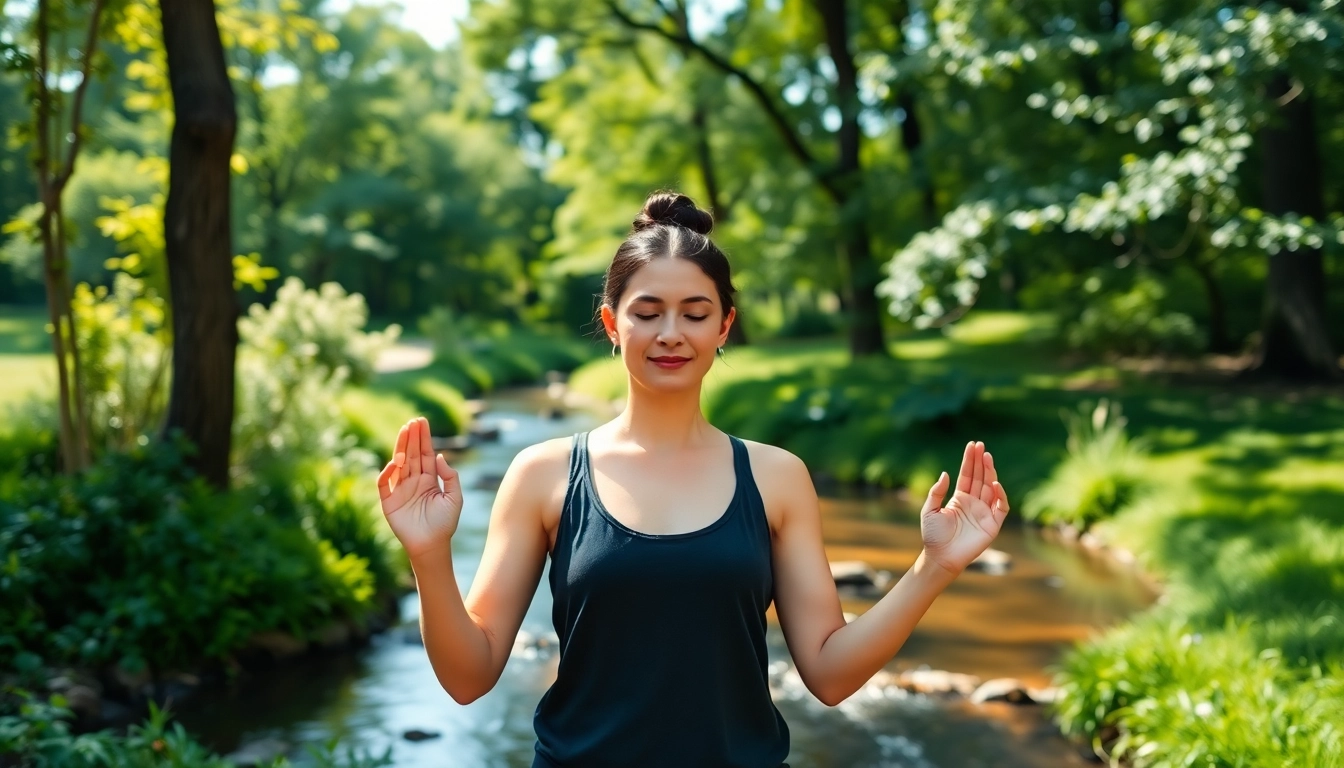
Yoga mudras are ancient gestures or seals that hold profound significance in the realms of yoga and meditation. These hand positions are believed to channel energy throughout the body, enhancing both physical and mental well-being. By using Yoga mudras in practice, individuals can experience a deeper connection with themselves and the energy around them. Though often overlooked, yoga mudras serve as effective tools for spiritual and emotional growth.
What Are Yoga Mudras?
In essence, a yoga mudra is much more than just a hand gesture; it is a symbolic act that signifies a certain intention or state of being. The word 'mudra' comes from Sanskrit, meaning 'seal' or 'gesture.' Each yoga mudra is designed to influence the energy flow (prana) within the body, facilitating healing and balance.
While many might associate yoga mudras solely with hand positions, they can also encompass the entire body. Mudras are often integrated into meditation practices, where they help focus the mind and deepen the practitioner's experience. With origins in ancient Indian traditions, these gestures are deeply intertwined with yogic philosophy and spiritual practices.
The Historical Significance of Yoga Mudras
The roots of yoga mudras can be traced back thousands of years to ancient Hindu and Buddhist texts. These sacred gestures have been practiced by yogis and sages to cultivate spiritual insights and promote healing. Historical accounts suggest that mudras were not only used in meditation but also incorporated into various forms of religious and cultural rituals, enhancing their significance beyond the mat.
As yoga evolved, so too did the practice of mudras. They became integral components in yoga philosophy, where they were codified in texts like the Hatha Yoga Pradipika. The teachings surrounding these mudras emphasized the importance of intention and mindfulness, linking physical expressions with spiritual outcomes.
Types of Yoga Mudras in Practice
Yoga mudras can generally be categorized into several types: hand mudras, body mudras, and speech mudras, each serving unique purposes. Hand mudras are the most well-known and include positions such as Gyan Mudra and Anjali Mudra, commonly utilized during meditation and pranayama practices. Body mudras, on the other hand, encompass full-body postures that align with specific yoga postures, linking movement and energy flow.
Speech mudras involve the modulation of sound and voice, often used in conjunction with mantras to amplify their power. Understanding these different types of mudras can empower practitioners to choose the most appropriate gestures for their intentions and needs.
The Benefits of Yoga Mudras
The practice of yoga mudras is accompanied by a plethora of physical, mental, and spiritual benefits. These gestures not only complement the postures of yoga but also enhance the overall experience, allowing practitioners to tap into deeper realms of consciousness.
Physical Benefits of Yoga Mudras
One of the most significant advantages of incorporating yoga mudras into your practice is the enhancement of physical health. Research suggests that specific mudras can help mitigate conditions such as stress, anxiety, and fatigue. For example, Prana Mudra is known to activate dormant energy levels, invigorating the body and promoting vitality.
Furthermore, certain mudras can improve circulation, boost the immune system, and even alleviate pain. Regular practice can lead to better posture and alignment, ensuring that energy flows smoothly throughout the body. The physiological impact of these gestures is a testament to their effectiveness as tools for wellness.
Mental and Emotional Benefits
Alongside physical enhancement, yoga mudras carry remarkable mental and emotional benefits. The act of performing mudras encourages mindfulness and focus, which can significantly reduce stress levels and enhance emotional well-being. For instance, use of the Shuni Mudra fosters patience and acceptance, while Gyan Mudra promotes concentration and clarity of thought.
By integrating yoga mudras into daily routines, practitioners often find improved mental resilience, better emotional management, and heightened self-awareness. This transformative impact allows individuals to navigate daily challenges with a more balanced mindset.
Spiritual Significance of Yoga Mudras
On a spiritual level, yoga mudras serve as conduits for transcending the mundane. They facilitate a deeper connection with the self, enabling individuals to explore their inner worlds. Each gesture embodies a specific intention, often aimed at invoking specific states of consciousness or spiritual qualities.
For example, the Anjali Mudra symbolizes respect and gratitude, making it a popular gesture in spiritual practices. This connection fosters a sense of unity with the universe, deepening one's understanding of their place within it. Engaging with mudras can lead to profound spiritual realizations and an enhanced sense of purpose.
How to Incorporate Yoga Mudras into Your Daily Practice
Integrating yoga mudras into your daily routine can seem daunting, but it can be as simple as placing your hands in specific positions during moments of meditation or breathing exercises. This section will explore various ways to seamlessly incorporate these powerful gestures into your practice.
Simple Yoga Mudras for Beginners
For those new to yoga mudras, beginning with simple, commonly used gestures can build confidence. The Gyan Mudra, where the tip of the thumb touches the index finger while keeping the other fingers extended, promotes calmness and focus, making it perfect for meditation. Another excellent mudra for newcomers is the Apana Mudra, which aids in detoxifying the body and grounding energy.
Practicing these mudras for just a few minutes daily can create lasting impacts on concentration and energy levels. Starting with one or two mudras can help gradually build the habit without overwhelming beginners.
Creating a Daily Yoga Mudra Routine
Establishing a daily routine for practicing yoga mudras can deepen your engagement with them. Try dedicating a few moments each morning or evening to practice different mudras while sitting in a comfortable position. Combine them with your breathwork, allowing the energy to circulate freely.
For a structured approach, consider integrating mudras into an existing yoga sequence, performing specific mudras with corresponding asanas. For instance, use the Anjali Mudra while transitioning between poses to ground yourself and set intentions for your practice.
Combining Yoga Mudras with Meditation Techniques
Yoga mudras can significantly enhance meditation practices by providing focal points and facilitating deeper inner exploration. When meditating, try pairing specific mudras with visualization techniques or affirmations to amplify their impact. For instance, using the Shambhavi Mudra—where the eyes are focused upward while the hands rest in Gyan Mudra—can enhance concentration and presence during meditation.
Experimenting with different combinations will help you discover what resonates best with you, creating a unique and enriching experience each time.
Common Yoga Mudras and Their Uses
With numerous yoga mudras to explore, having an understanding of the most common ones can facilitate their implementation during practice. This section offers a detailed guide to popular yoga mudras and their specific uses.
Detailed Guide to Popular Yoga Mudras
- Gyan Mudra: This gesture enhances knowledge and clarity. To practice, sit comfortably with your palms resting on your knees, forming a circle between the tip of your thumb and index finger.
- Chin Mudra: Similar to Gyan Mudra, this pose symbolizes consciousness and enlightenment. The only difference is that the palms are facing upwards, promoting receptivity.
- Anjali Mudra: This gesture, performed by bringing the palms together at the heart center, represents gratitude and respect, often used at the beginning and end of yoga sessions.
- Prana Mudra: This mudra involves touching the tips of the thumb, ring finger, and little finger together. It activates the latent energy in the body and enhances vitality.
- Shuni Mudra: To cultivate patience and perseverance, touch the tip of the middle finger with the thumb while keeping the other fingers extended.
When and How to Use Each Mudra
Understanding when and how to use each mudra can maximize their benefits. For example, Gyan Mudra is particularly effective during study sessions to promote concentration, while Prana Mudra is ideal before physical activities to energize the body. Positioning is essential in each mudra; ensure proper alignment and mindfulness to fully experience the intended effects.
Before integrating any mudra, setting a specific intention enhances its efficacy. Additionally, combining mudras with breathwork can further deepen the experience, allowing for a more cohesive practice.
Adapting Mudras for Different Needs and Goals
Easily adaptable, yoga mudras can be tailored to meet different goals and individual needs. If you seek to boost confidence in public speaking, consider using the Anjali Mudra combined with affirmations for grounding energy. On days when you're feeling overwhelmed, practicing Prana Mudra can recharge depleted energy and provide clarity.
By reflecting on your current needs and emotions, you can select the mudras that will best serve you on any given day, creating a personalized approach to your practice.
Advanced Yoga Mudras for Energy Flow and Healing
For those ready to deepen their practice, exploring advanced yoga mudras can unlock new levels of energy flow and healing. This section delves into complex mudras and their effects on well-being.
Exploring Complex Yoga Mudras
Advanced yogic practices involve intricate mudras that require both physical dexterity and mental focus. Complex mudras, such as the Vajra Mudra, which involves interlacing fingers, are designed to channel energy more forcefully, primarily when guided with accompanying breathwork. These mudras work on activating the chakras and facilitating energy release throughout the body.
Incorporating more complex mudras into your routine can help deepen your experience and encourage growth in your practice. Focusing on the subtleties of each gesture will enhance your awareness and connection to your inner self.
Understanding Energy Flow through Mudras
Yoga mudras are not only about physical placement; they embody intentional energy flow. Understanding how different mudras influence prana is crucial for practitioners looking to optimize their benefits. Each mudra directs energy in specific pathways, leading to heightened states of awareness or relaxation.
For example, the indicator of energy flow changes during the practice of different mudras. Practitioners often report sensations of warmth, tingling, or lightness when performing mudras, indicating the movement of energy throughout the body. Paying attention to these sensations can enhance the practice and provide immediate feedback on where additional focus may be required.
Case Studies: Success Stories with Yoga Mudras
Numerous individuals have successfully integrated yoga mudras into their lives, reporting transformative experiences. For example, one practitioner dealt with anxiety by incorporating Gyan Mudra into their daily routine, which led to improved focus and reduced panic symptoms during difficult situations. Another case study highlights individuals who battled chronic fatigue and found revitalization through consistent practice of Prana Mudra.
These success stories illustrate the profound impact yoga mudras can have on physical, emotional, and spiritual well-being. By observing these transformations, one can understand the power and potential stored within these simple yet potent gestures.