
Choosing the Perfect Weddings Venue for Your Special Day
Understanding Your Wedding Venue Needs
Your wedding day is one of the most significant occasions of your life, and selecting the perfect venue plays a crucial role in making it unforgettable. The choice of a Weddings Venue sets the tone for the entire event, influencing everything from your guests’ comfort to the overall ambiance of the celebration. Understanding your unique needs is the first step in finding a venue that aligns perfectly with your vision. Here, we will explore the key factors to consider while searching for your ideal wedding venue.
Identifying Guest Count and Capacity
The first and foremost consideration is your guest list. Determining the approximate number of guests will significantly narrow down your venue options, ensuring you choose a space that accommodates everyone comfortably. Most venues provide guidelines on their capacity, which you can use to gauge their suitability. Additionally, it’s wise to consider potential last-minute additions to your list, as unexpected guests may pop up. Aim for a venue that offers a little extra wiggle room to avoid cramming guests in close quarters.
Defining Your Wedding Style
Your wedding’s style plays a pivotal role in determining the kind of venue you’ll need. Whether you envision a romantic, classic celebration, a rustic outdoor ceremony, or a modern, sleek affair, the venue should align with your vision. Consider elements such as décor, layout, and color schemes that resonate with your personal aesthetic, influence your choice, ensuring the venue complements your wedding theme seamlessly.
Considerations for Indoor and Outdoor Settings
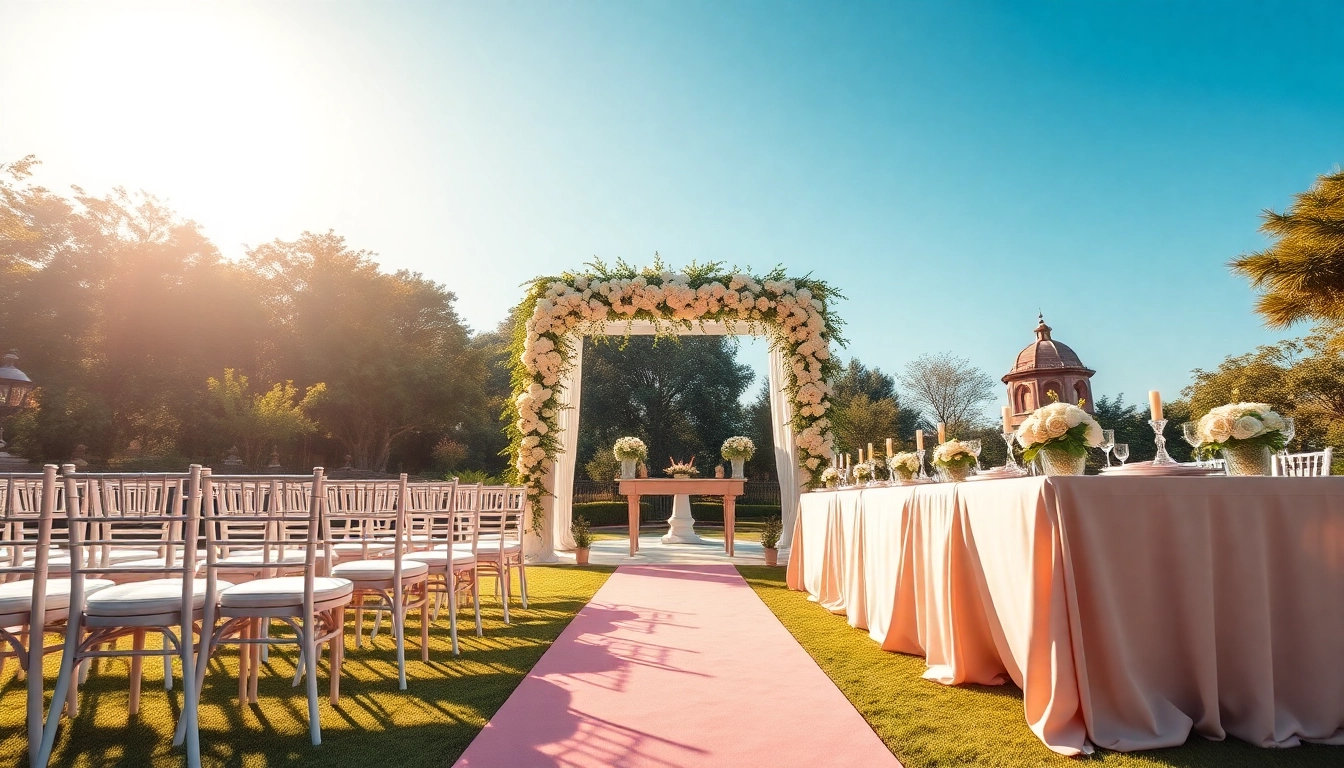
The decision between indoor or outdoor settings is significant. Indoor venues offer climate control and a predictable environment, whereas outdoor venues can provide breathtaking backdrops and unique photo opportunities. However, outdoor venues come with their considerations, such as the need for tents, weather plans, and permits, which should all be thoroughly explored before making a choice. Depending on your location, an indoor venue might be more reliable, particularly if you are planning a wedding during unpredictable seasons.
Key Features to Look for in a Weddings Venue
Aesthetic and Ambiance Considerations
The aesthetic value of your chosen venue will resonate both for you and your guests. Look for a venue that resonates with your vision – whether that’s ornate architecture, rustic charm, or sleek modern lines. Lighting is another crucial aspect; consider how natural light interacts with the space during your planned wedding time. Venues that allow for easy customization through décor will also enhance the ambiance, ensuring the atmosphere meets your expectations.
Facilities and Amenities Overview
Beyond aesthetics, facilities are equally vital. Ensure the venue provides essential features such as restrooms, power sources for audio-visual equipment, and adequate parking facilities for guests. Amenities can further include climate control systems for comfort, especially during extreme weather. If you’re considering an on-site caterer, evaluate the kitchen facilities available and the venue’s capacity to handle food service effectively.
Accessibility and Location Factors
Location plays a crucial role in your venue selection. Aim for a venue that’s easily accessible for your guests, consider factors such as proximity to hotels, airports, and public transportation. If possible, visit the venue during peak times to assess the traffic conditions and overall accessibility. Additionally, think about space availability for guests who may have mobility challenges and ensure that the venue is compliant with accessibility standards.
Budgeting for Your Weddings Venue
Understanding Venue Pricing Structures
Hidden Costs You Should Know
Often, couples overlook hidden costs associated with venue contracts. These may include overtime fees for staff, additional charges for event setup or breakout, service charges, or extra fees for cleaning post-event. Always clarify and document what is included in the quoted price upfront, and ask pointed questions to surface any potential hidden costs that might not be immediately obvious.
Best Practices for Negotiating Rates
Negotiating rates with wedding venues is not only common, but it’s often expected. When approaching a venue, do your homework on industry norms, particularly for your region and date. Present a clear budget and express what would make the venue more feasible within that framework. Understanding the venue’s peak season might give you leverage to negotiate more favorable rates during off-peak times.
Hiring Vendors for Your Weddings Venue
Choosing the Right Caterers and Florists
The selection of caterers and florists can greatly enhance your wedding’s atmosphere and experience. Many venues will have a preferred vendor list, ensuring familiarity with the space. However, if you have specific vendors in mind, verify if they’re permissible. Caterers should be able to handle the venue’s kitchen facilities efficiently, and florists seamlessly integrate their designs with the venue’s aesthetics.
Importance of Professional Event Coordination
Hiring a professional event coordinator can alleviate much of the stress surrounding your wedding. An experienced coordinator can handle logistics, timeline management, and negotiations with vendors, ensuring every aspect runs smoothly. Look for coordinators with previous experience at your chosen venue who understand the dynamics of working within that space.
Tech Requirements and Audio-Visual Support
Understanding the technology available at your venue is crucial, particularly for those planning to incorporate audio-visual elements into their ceremony or reception. Assess the audio system, projector capabilities, Wi-Fi access, and power sources. Discuss your tech needs early on with your venue coordinator to ensure they can meet your requirements without unforeseen complications on your day.
Finalizing the Details of Your Weddings Venue
Venue Contracts and Legal Considerations
Before signing a venue contract, be meticulous in reviewing its details. Contracts should clearly outline the services included, cancellation policies, deposits required, and liability clauses. Engaging a legal professional to go through the contract might be prudent, ensuring all terms meet your expectations and safeguarding against potential complications.
Creating a Timeline for Setup and Rehearsal
Creating a timeline for setup and rehearsal is essential for a smooth event. Coordination with your venue team will help optimize your wedding timeline. Ensure you plan adequate time before the ceremony for decoration, sound checks, and the rehearsal itself. Planning ahead will also alleviate last-minute jitters, creating a more enjoyable experience.
Personalizing Your Venue for a Unique Experience
Injecting personal touches into your wedding venue is what makes the day special. Consider using custom signage, family heirlooms, or interactive guest elements to create a memorable atmosphere. Collaborate with your vendors and venue manager to ensure that personal elements fit seamlessly with the venue’s existing features, creating an enjoyable and integrated experience for you and your guests.
FAQs
What should I look for in a Weddings Venue?
Consider factors like location, size, included amenities, and the aesthetic that aligns with your wedding style to find the best venue.
How far in advance should I book a Weddings Venue?
It’s advisable to book your venue 12-18 months in advance to secure your desired date, especially for popular venues.
What permits may be needed for a Weddings Venue?
Check local regulations, as some outdoor venues may require permits for gatherings, tents, or specific decorations.
Can I use my own vendors at the Weddings Venue?
Make sure to check with the venue whether you can use outside vendors, as some may have exclusive agreements with suppliers.
What are the most common hidden costs in Weddings Venue contracts?
Watch out for potential extras like overtime fees, service charges, and costs related to setup and breakdown in your contract.