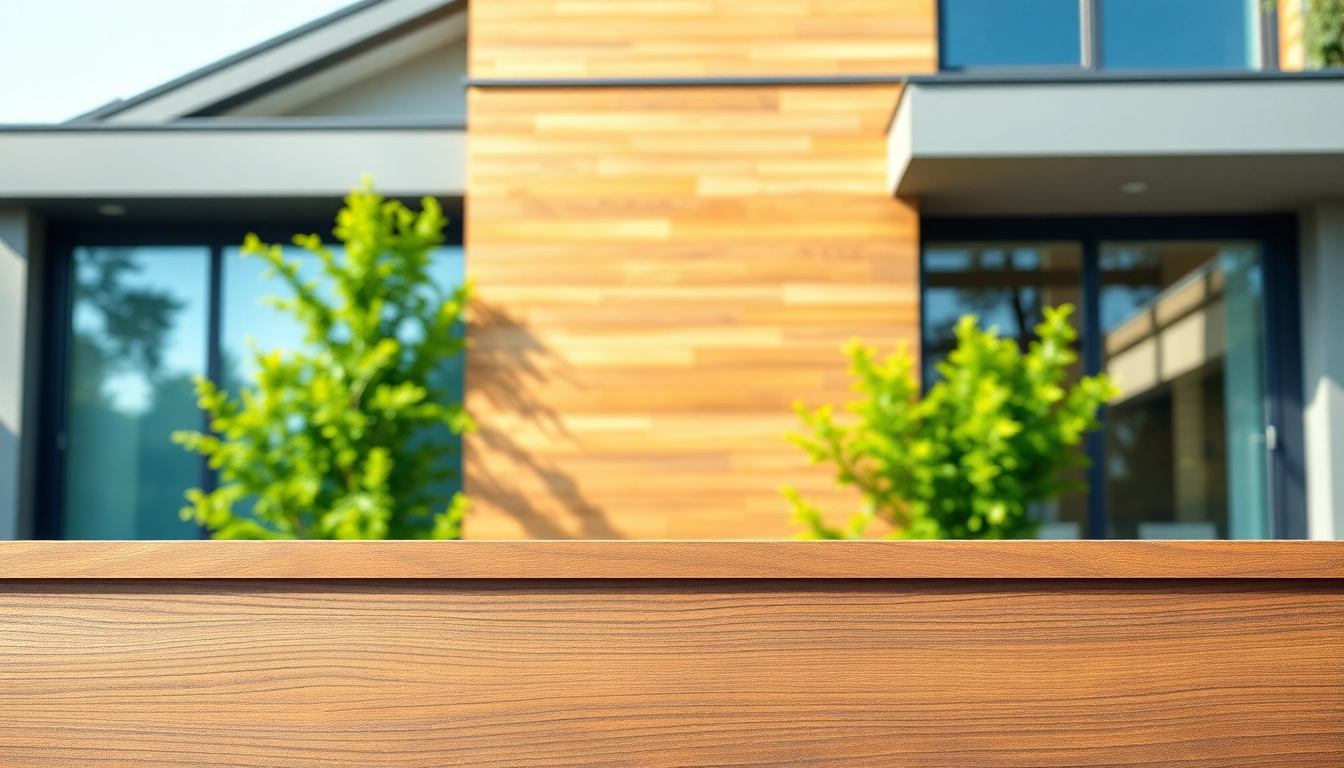
Understanding Composite Wall Cladding
Composite Wall Cladding is gaining popularity in modern architecture due to its combination of durability, aesthetic appeal, and low maintenance requirements. This innovative building material is crafted from a mix of materials, primarily wood fibers and plastics, designed to deliver the look of traditional wood without its inherent drawbacks. In this comprehensive guide, we will delve into the essence of Composite Wall Cladding, explore its advantages, installation processes, maintenance tips, and address common queries.
What is Composite Wall Cladding?
Composite Wall Cladding refers to a composite material used as an exterior siding solution that enhances both the structural integrity and visual appeal of buildings. This cladding system typically consists of a combination of recycled wood fibers and high-density polyethylene or PVC, which work together to provide strength and resistance to environmental elements. Unlike traditional wood siding, Composite Wall Cladding is engineered to withstand the rigors of inclement weather, making it a favorable choice for homeowners and builders alike.
Common Materials in Composite Wall Cladding
The primary components of Composite Wall Cladding include:
- Wood Fibers: Derived from recycled wood products, wood fibers give the cladding material a natural texture and warmth, akin to traditional wood.
- Plastics: Commonly high-density polyethylene (HDPE) or polyvinyl chloride (PVC), which provide waterproofing and structural stability.
- Fillers and Colorants: Adding durability and visual appeal, these components can enhance UV resistance and finish quality.
Benefits of Composite Wall Cladding
Composite Wall Cladding offers numerous advantages, making it an attractive option for both residential and commercial projects. By utilizing Composite Wall Cladding, homeowners can experience various benefits, including:
- Enhanced Aesthetics: Available in various colors and finishes, it can mimic the look of wood, stone, or other materials, allowing for creative designs.
- Environmentally Friendly: Made from recycled materials, it constitutes a sustainable building choice.
- Resistance to Pests: Unlike traditional wood, Composite Wall Cladding is not susceptible to insect infestations.
Key Advantages of Composite Wall Cladding
Durability and Weather Resistance
One of the standout features of Composite Wall Cladding is its exceptional durability. Properly installed cladding can withstand extreme weather conditions, which protects buildings from harsh elements such as rain, wind, and sun. Moreover, composite materials are treated to resist fading, ensuring that they maintain their attractive appearance over the years. This capability minimizes considerations for repair or replacement, making it a wise long-term investment.
Aesthetic Versatility for Design
Composite Wall Cladding is available in an extensive range of styles and finishes, enabling homeowners and architects to achieve their desired aesthetics effortlessly. Whether you prefer the rustic charm of wood or the sleek look of metal, composite options can meet diverse design preferences, adapting seamlessly to various architectural styles. This versatility is often a crucial factor in selecting cladding materials during the design phase of a project.
Low Maintenance Requirements
Unlike traditional wood siding that requires regular staining, sealing, and painting, Composite Wall Cladding needs minimal maintenance. Routine cleaning with mild soap and water is typically sufficient to keep it looking fresh. Moreover, its resistance to rot and warping means fewer concerns over moisture-related issues or structural integrity, allowing homeowners to enjoy their beautiful exteriors without the hassle of frequent upkeep.
Installation Process for Composite Wall Cladding
Tools and Materials Needed
Before beginning the installation of Composite Wall Cladding, ensure that you have the appropriate tools and materials at hand:
- Measuring tape
- Level
- Saw (preferably a circular saw for precise cuts)
- Drill with appropriate bits
- Cladding panels
- Fasteners (confirm compatibility with chosen cladding)
- Water barrier membrane (for moisture protection)
Step-by-Step Installation Guide
The installation of Composite Wall Cladding can be simplified into the following steps:
- Preparation: Measure and mark the areas of your wall where the cladding will be installed. Ensure a clean, dry surface free of obstructions is ready.
- Install the Water Barrier: Before attaching any panels, install a water barrier membrane to protect the underlying structure from potential moisture damage.
- Attach Battens: Install vertical furring strips or wooden battens to create the framework for affixing the cladding. This ensures proper airflow and drainage.
- Cut and Fit Panels: Cut composite panels to fit and begin installation from the bottom up, ensuring that each panel is level and securely fastened.
- Finishing Touches: Once all panels are installed, add any finishing trim pieces or accessories to enhance the overall appearance.
Common Installation Mistakes
While installing Composite Wall Cladding may seem straightforward, several common mistakes can affect the final outcome:
- Neglecting Surface Preparation: Always prepare the wall surface to avoid future issues with uneven installation.
- Improper Fastening: Ensure fasteners are used correctly for stability; overtightening can cause damage to the panels.
- Inadequate Gaps: Failing to leave proper gaps for expansion can lead to warping or buckling over time.
Maintenance Tips for Composite Wall Cladding
Cleaning Best Practices
Maintaining the appearance of your Composite Wall Cladding requires simple routine cleaning. Use a soft-bristled brush or cloth and a solution of mild soap and water to wipe down the surface, removing dirt and grime without harsh chemicals that could damage the finish.
Inspecting for Damage
Regularly inspect your cladding for any visible signs of damage, such as cracks or fading. Early detection can save you from more significant repair issues later on. Ensure to check the area around seams and joints where moisture often accumulates.
Longevity and Warranty Considerations
Most Composite Wall Cladding products come with warranties, typically spanning 25 years or more, covering defects in materials and workmanship. Familiarize yourself with warranty conditions, and keep documentation of your purchase to ensure coverage if issues arise.
FAQs About Composite Wall Cladding
What are the disadvantages of Composite Wall Cladding?
While durable, Composite Wall Cladding can fade over time due to UV exposure and requires occasional cleaning to maintain aesthetics. However, it remains less prone to warping than wood.
How weather-resistant is Composite Wall Cladding?
This cladding offers excellent weather resistance, particularly when installed with a proper water barrier, which helps prevent water damage and rot, common with wood cladding.
Is Composite Wall Cladding difficult to install?
With basic carpentry skills and the right tools, it is relatively easy to install. Consider hiring a professional for complex projects to ensure quality adherence to guidelines.
How do I maintain Composite Wall Cladding?
Ensure regular cleaning with mild soap and water; inspect for wear and tear periodically to enhance longevity. Adapting a maintenance routine is key for optimal performance.
Is Composite Wall Cladding more expensive than wood?
Initially, Composite Wall Cladding may carry a higher price tag, but it typically offsets costs over time through reduced maintenance and longer lifespan compared to traditional wood.