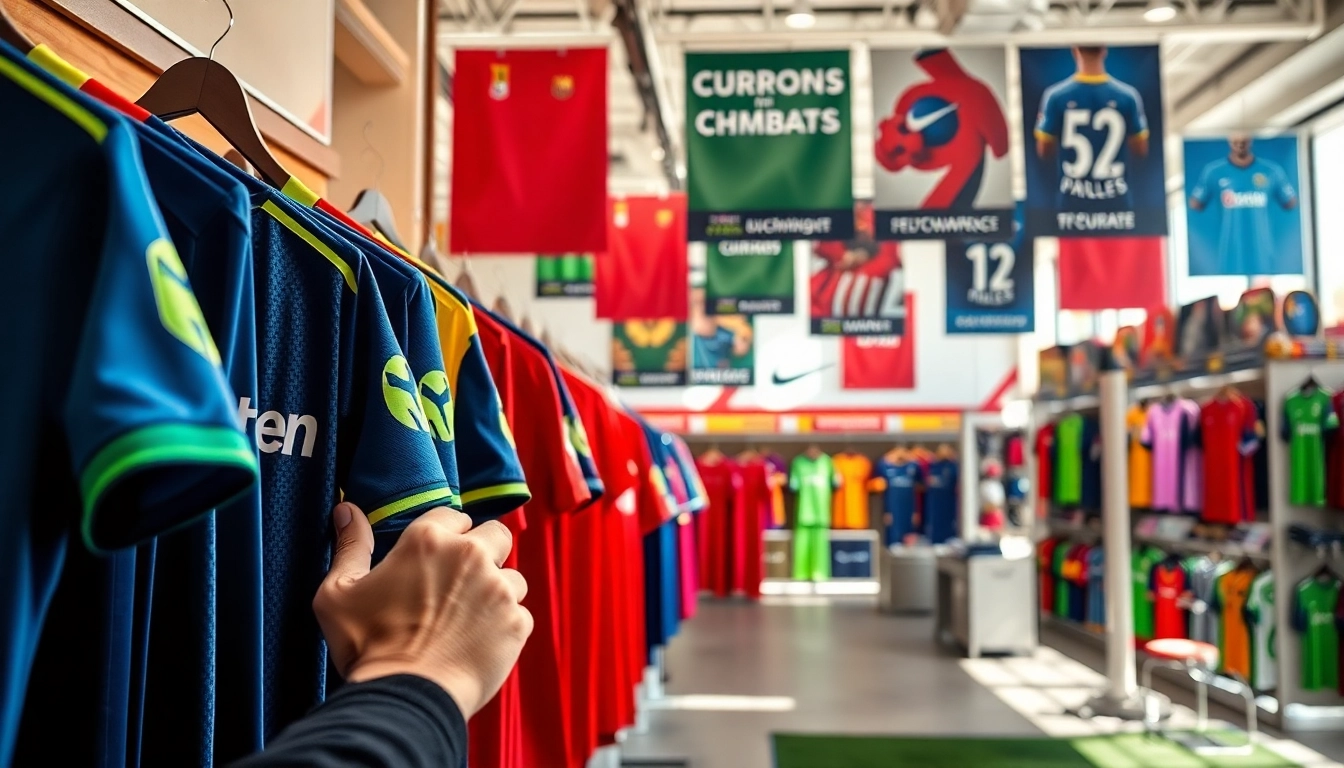
Understanding Football Kits
Football kits are more than just a uniform; they are an integral part of the game, representing team identity, culture, and heritage. For players and fans alike, football kits embody the spirit of competition and community. In this comprehensive guide, we will explore the multifaceted world of football kits, examining their components, their role in performance, and the latest trends in design.
What Are Football Kits?
A football kit typically includes a shirt, shorts, and socks, forming the complete attire worn by players during matches. These kits are designed not only for aesthetics but also for functionality. Each component serves a specific purpose, whether to provide comfort on the pitch or to represent a team’s branding effectively. Moreover, football kits can vary widely by league, brand, and even occasion, with some teams opting for classic designs while others may experiment with contemporary styles.
The Importance of Quality in Football Kits
Quality is paramount when it comes to football kits. A well-constructed kit can enhance a player's performance and comfort, while a poorly made one can lead to distractions during play. Materials used in kits must be lightweight, breathable, and moisture-wicking to keep players dry and agile. Furthermore, durability is essential; a kit should withstand the rigors of intense matches and frequent washes without losing its shape or color.
Components of a Football Kit
The primary components of a football kit include:
- Shirts: Usually made from polyester or a polyester blend, shirts are designed to fit snugly yet allow freedom of movement. Many feature advanced technologies such as ventilation zones to enhance breathability.
- Shorts: Shorts are crafted for comfort, typically with an elastic waistband for a secure fit. The fabric is often lightweight, facilitating ease of movement during play.
- Socks: Football socks are designed to support the calf and often contain additional cushioning for comfort. They also feature compression technology to aid blood circulation.
- Footwear: While not technically part of the kit, suitable cleats are vital. They provide the necessary grip and support on the field, influencing overall performance.
Choosing the Right Football Kits
Selecting the right football kit involves various considerations, from personal preferences to practical requirements. Understanding these factors can greatly enhance the experience for players and fans alike.
Factors to Consider When Selecting Football Kits
When choosing a football kit, consider the following factors:
- Fit: Opt for a size that allows for ease of movement without being overly baggy. A proper fit enhances comfort and performance.
- Weather Conditions: Choose kits designed for specific weather scenarios, such as lightweight kits for hot conditions and thermal layers for cold weather.
- Personal Style: Kits come in myriad styles and designs. Personal preference in colors and patterns should reflect the player's personality or the team's identity.
- Team Regulations: Some leagues or teams may have specific requirements regarding kit design and colors. Adhere to these guidelines to ensure compliance.
Best Practices for Sizing and Fitting Football Kits
To ensure an optimal fit, here are a few best practices:
- Measurements: Take accurate body measurements before purchasing. Use size charts provided by manufacturers to select the right size.
- Try Before You Buy: If possible, try on the kits to ensure comfort, especially around the shoulders, chest, and waist.
- Consider Layering: If wearing additional clothing underneath, account for this in the sizing to maintain comfort without constricting movement.
Materials and Technology in Football Kits
Technological advancements have transformed the materials used in football kits. Common fabrics include:
- Polyester: Known for its durability and lightweight properties, polyester is a popular choice for performance wear.
- Spandex: Often blended with other materials, spandex offers stretchability, ensuring ease of movement.
- Mesh Panels: Used for ventilation, mesh panels help to regulate body temperature during play.
- Moisture-Wicking Fabrics: These materials draw moisture away from the skin, aiding in sweat management and comfort.
Enhancing Performance with Football Kits
Football kits play a vital role in enhancing player performance. The right choice can contribute significantly to overall game efficiency and player satisfaction.
How Football Kits Affect Player Performance
Performance can be affected by various elements, which include:
- Weight of the Kit: Lighter kits can enhance agility and speed, allowing players to move more freely on the field.
- Temperature Regulation: Breathable materials keep players cool, reducing distractions caused by overheating.
- Ergonomic Design: Kits designed with player movement in mind enhance natural body movements, aiding performance.
The Role of Comfort in Football Kits
Comfort is non-negotiable for optimal performance. The right football kit should:
- Facilitate unrestricted movement.
- Provide adequate support where necessary, especially around crucial areas like the lower back and shoulders.
- Minimize the risk of chafing and skin irritations through the use of seamless designs and softer materials.
Choosing the Right Footwear Alongside Football Kits
Footwear is as critical as the kit itself. Selecting the appropriate footwear should consider:
- Field Conditions: Firm-ground cleats are ideal for dry, firm surfaces, while soft-ground cleats offer better traction on softer fields.
- Player Position: Different positions may require varying support and traction. For example, forwards may prefer lighter shoes for speed, while defenders might opt for stability.
- Personal Preference: Comfort and fit should guide the choice of footwear, similar to the football kits.
Trends in Football Kits Design
Football kit design is a dynamic field, evolving continuously to reflect cultural shifts, technological advancements, and consumer preferences.
Color and Pattern Innovations in Football Kits
Innovations in color and pattern are at the forefront of football kit design. Current trends include:
- Bold Colors: Many teams are opting for vibrant and striking colors to stand out on the field and in marketing initiatives.
- Unique Patterns: Designs that incorporate unique graphics or team slogans have become increasingly popular, allowing teams to express individuality.
- Retro Designs: Nostalgic elements are being reintroduced, appealing to fans' sentiments through vintage styles.
Popular Brands and Their Signature Styles in Football Kits
Different manufacturers have established distinct styles and functionalities in their kits:
- Performance-Centric Designs: Some brands focus heavily on the technology behind the materials, prioritizing performance-enhancement features.
- Fashion-Forward Fits: Other brands target the casual market, designing kits that are stylish enough for off-field wear.
The Impact of Cultural Trends on Football Kits
Cultural trends can greatly influence football kit designs. This influence is often seen through:
- Pop Culture Collaborations: Teams may collaborate with artists or designers, leading to unique and appealing kits.
- Environmental Awareness: An increasing number of teams are looking at sustainable materials and practices in the production of kits.
Purchasing Football Kits
When it comes to purchasing football kits, consumers must navigate a plethora of options available in the market.
Where to Buy Authentic Football Kits
Authenticity is key when choosing a football kit. It’s important to purchase from reputable sources to ensure quality. Popular buying avenues include:
- Official Team Stores: These often offer the most current kits directly from the source.
- Online Sports Retailers: Many websites specialize in football apparel, often showcasing a vast selection of kits for various teams.
- Local Sporting Goods Stores: These may carry prominent teams and provide the chance to try kits on for size.
Understanding Pricing and Value for Football Kits
Pricing for football kits can vary significantly based on several factors, including:
- Brand Value: Popular brands with higher market recognition may price their kits premium due to perceived value.
- Limited Editions: Special edition kits can attract higher prices due to their scarcity and collector value.
- Material Quality: Kits made with advanced technology and superior materials may come at a higher cost but often provide better performance.
Tips on Caring for and Maintaining Football Kits
Proper care for football kits extends their lifespan and maintains their appearance:
- Washing: Follow the manufacturer's instructions regarding washing to prevent damage. Generally, cold water and a gentle cycle are recommended.
- Avoiding Harsh Chemicals: Steer clear of bleach and other harsh detergents that could damage the fabric.
- Drying: Air drying is usually best; avoid putting kits in the dryer, which can shrink or damage the materials.