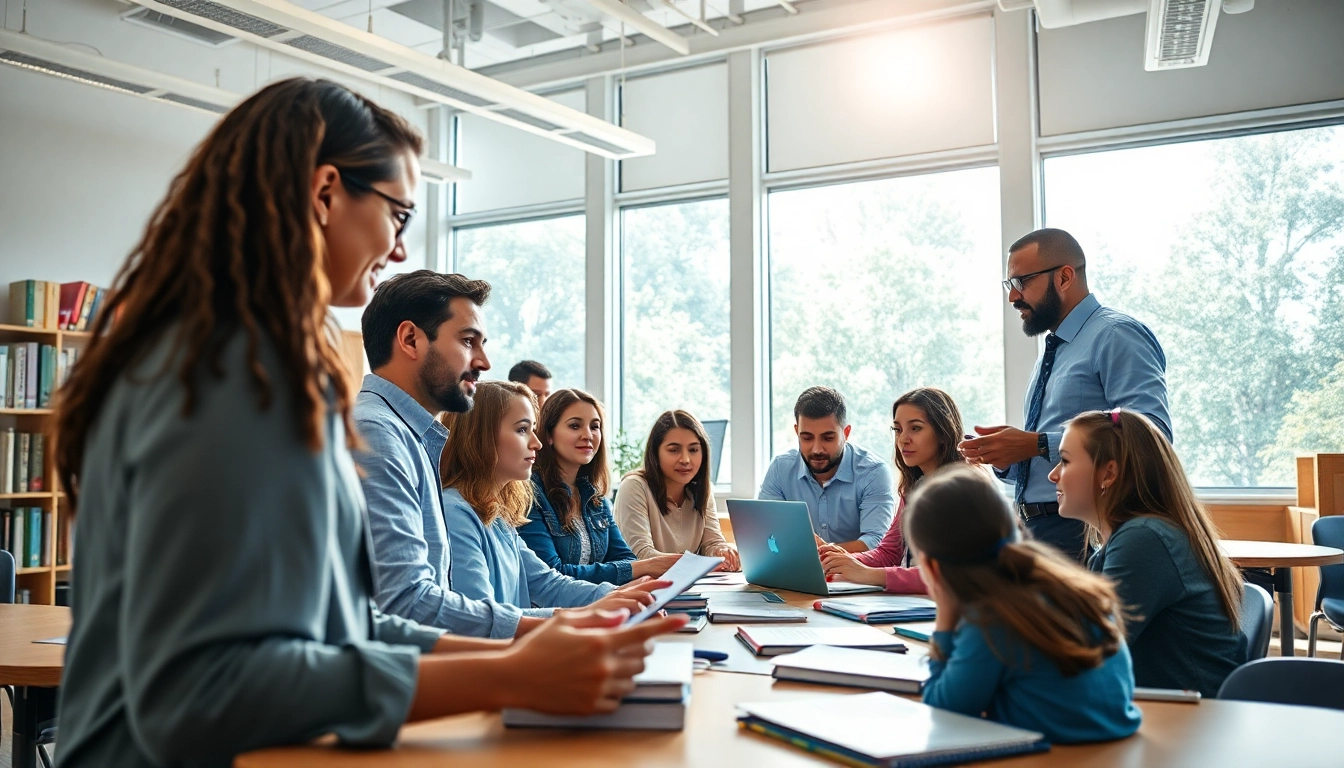
1. What is Education?
1.1 Definition and Importance of Education
Education is a dynamic process that encompasses the transmission of knowledge, skills, attitudes, and values from one generation to another. It serves as a foundation for personal and societal growth, equipping individuals with the tools necessary to navigate life’s challenges and opportunities. Beyond mere academic learning, education fosters critical thinking, creativity, and social responsibility. The significance of education is not limited to its role as a cornerstone of personal development; it is also a vital pillar of economic stability and social cohesion. Access to quality Education shapes individuals’ futures and impacts communities, nations, and the world at large.
1.2 Historical Perspectives on Education
The history of education is rich and varied, spanning ancient civilizations through modern times. Early forms of education were predominantly informal, occurring within family units or tribal gatherings where knowledge was passed orally. As societies evolved, structured educational systems emerged. Ancient Egypt and Mesopotamia, for example, established schools dedicated to scribal training, while Ancient Greece laid the philosophical foundations for higher learning with figures like Plato and Aristotle championing critical inquiry and debate. The Middle Ages saw the rise of universities as institutions for higher learning, particularly in Europe, marking a significant turning point in educational structure. Over time, education has transformed to adapt to the needs of society, with a growing emphasis on inclusivity, cognitive development, and practical skills necessary for a changing workforce.
1.3 Different Types of Education Systems
Education systems around the world vary significantly based on sociocultural contexts, political structures, and economic conditions. These systems can be broadly categorized into several types:
- Formal Education: This structured form of education typically follows a curriculum set by educational authorities, such as public and private schools, colleges, and universities.
- Informal Education: Learning that occurs outside formal institutions, such as community education programs, apprenticeships, and mentoring.
- Non-formal Education: Organized educational activities that do not lead to formal certification, such as workshops and adult education classes.
- Vocational Education: Focused on teaching specific trades or skills, preparing individuals for particular careers in various industries.
- Online Education: Increasingly popular, this form utilizes digital platforms to deliver courses and educational resources, providing flexible learning opportunities.
2. The Benefits of Education
2.1 Personal Development through Education
Education fosters personal development by enhancing an individual's cognitive abilities, emotional intelligence, and social skills. Through structured learning experiences, students gain insights into various subjects, enabling them to develop critical thinking and problem-solving abilities. Additionally, education promotes self-confidence as individuals succeed in academic and extracurricular activities, encouraging positive self-perception and personal growth. Lifelong learning is also a crucial aspect, where acquiring knowledge outside traditional settings contributes significantly to self-improvement and adaptability in a rapidly evolving world.
2.2 Economic Advantages of Education
The economic advantages of education are well-documented. A higher level of education often correlates with better job prospects, higher wages, and lower rates of unemployment. Skilled labor is in high demand, and individuals equipped with degrees or vocational training have a competitive edge in the job market. Additionally, education contributes to the overall economic health of a community. As individuals gain skills and contribute to the workforce, they increase productivity, innovation, and consumer spending—all of which are positive drivers for economic growth. Furthermore, education reduces dependency on social welfare systems, leading to a more sustainable economy.
2.3 Education and Societal Growth
Education plays a crucial role in societal growth by fostering social cohesion and reducing inequalities. It empowers individuals, particularly marginalized groups, by providing them with the knowledge and skills essential for full participation in society. An educated populace is better equipped to engage in civic activities, advocate for change, and hold governments accountable. Moreover, education fosters a culture of peace and understanding, helping to bridge cultural divides and mitigate conflicts. Countries with high education levels tend to exhibit more stable governance, lower crime rates, and enhanced public health outcomes.
3. Challenges in the Education System
3.1 Access and Equity Issues
Despite the recognized benefits of education, significant barriers to access and equity persist globally. Socioeconomic status, geographical location, and systemic discrimination can hinder certain groups from obtaining quality education. Many underprivileged areas struggle with insufficient resources, overcrowded classrooms, and underqualified teachers, which contribute to learning disparities. To address these challenges, policymakers must prioritize inclusive education initiatives, invest in community educational support, and implement reforms aimed at reducing inequality, ensuring that all individuals have the opportunity to benefit from quality education.
3.2 The Impact of Technology on Education
The rapid advancement of technology has transformed educational methodologies, offering both opportunities and challenges. Online education, while making learning more accessible, can also exacerbate existing inequalities if not implemented thoughtfully. Students from low-income backgrounds may lack access to necessary technology or reliable internet connectivity, putting them at a disadvantage compared to their peers. Additionally, the overreliance on technology can detract from critical social interactions and the development of interpersonal skills. It's essential for educators and institutions to find a balance between leveraging technology's advantages while addressing its drawbacks, fostering a holistic education approach.
3.3 Addressing Learning Differences
Diverse learning needs among students necessitate tailored educational approaches. Traditional one-size-fits-all methods can neglect students with learning disabilities, different cultural backgrounds, or varied learning styles. Inclusive education practices promote differentiation in instruction, allowing educators to address each student's unique needs effectively. Support systems such as special education programs, tutoring services, and the use of assistive technologies are vital in creating an equitable learning environment. Recognition of the value each student brings to the classroom underscores the importance of tailoring educational strategies to accommodate varying abilities and backgrounds.
4. Innovative Methods in Education
4.1 Blended Learning Approaches
Blended learning combines traditional face-to-face education with online learning, offering a flexible and personalized educational experience. This method allows students to engage with course materials at their own pace, facilitates differentiated instruction, and fosters greater student autonomy. With tools such as learning management systems, educators can curate diverse resources that accommodate various learning preferences. Successful implementation of blended learning requires adequate training for educators, ensuring they are well-equipped to integrate technology into their teaching practices effectively.
4.2 Project-Based Learning Techniques
Project-based learning (PBL) is an educational approach that encourages students to engage in real-world projects, promoting active learning and critical thinking. PBL cultivates collaboration skills, as students work together on shared objectives. By emphasizing problem-solving and inquiry-based learning, students gain deeper insights into the subject matter, making connections between theoretical concepts and practical applications. Effective PBL starts with well-defined goals and outcomes and requires ongoing assessment and reflection to enhance learning experiences.
4.3 Role of Educators in Modern Education
The role of educators transcends traditional teaching; they are facilitators, mentors, and leaders in the learning environment. Modern educators must adapt their strategies to accommodate diverse learning styles and incorporate innovative teaching methods. Professional development is crucial, as educators need continual training to stay abreast of educational advancements and to effectively engage students in the digital age. Building strong relationships with students and fostering an inclusive classroom culture are essential for promoting a positive learning experience, ensuring that every student feels valued and supported.
5. Future Trends in Education
5.1 The Rise of Online Education
Online education is rapidly gaining traction, driven by advancements in technology and shifting societal expectations. This trend allows learners to access quality education from anywhere, breaking the barriers of time and geography. However, as more institutions adopt online delivery methods, challenges such as ensuring academic integrity, fostering student engagement, and maintaining quality standards must be addressed. Educational institutions must develop robust online programs that integrate effective learning experiences and offer students necessary support throughout their educational journeys.
5.2 Lifelong Learning as a New Norm
The concept of lifelong learning is increasingly recognized as essential in our fast-paced, knowledge-based society. Individuals are now expected to continuously update their skills and knowledge to remain competitive in the workforce. Lifelong learning encompasses formal education, professional development, and informal learning opportunities. Institutions that promote continuous education by offering flexible programs, such as evening classes, online courses, and workshops, are better positioned to adapt to workforce changes and address the evolving needs of learners.
5.3 The Global Perspective on Education
Education today is not confined within national borders; it holds a global significance. The interconnectedness of the world calls for a global education perspective that fosters cross-cultural understanding and collaboration. International educational partnerships, exchange programs, and collaborative projects enable students to engage with diverse cultures and ideas. Furthermore, global challenges such as climate change, inequality, and health crises require collective educational efforts, equipping learners with the necessary competencies to address these issues on a larger scale.