Understanding Sliding Shower Doors for Tubs
When it comes to bathroom design, sliding shower doors for Tubs have become a popular choice for homeowners seeking a blend of style and functionality. These doors are not only aesthetically pleasing but also practical for space optimization in smaller bathrooms. This guide aims to explore various aspects of sliding shower doors, including their benefits, materials, and sizing considerations, to help you make an informed decision.
What Are Sliding Shower Doors?
Sliding shower doors are typically installed on bathtub enclosures, functioning by sliding smoothly along a track. Unlike traditional hinged doors that swing open, sliding doors utilize a horizontal movement which minimizes the amount of space they require. This feature is particularly advantageous in compact bathrooms where swinging doors might impede movement.
These doors can be made of various materials including framed or frameless glass, with options ranging from basic acrylic to high-end tempered glass. The choice of material directly affects the door's appearance, durability, and maintenance needs.
Benefits of Sliding Doors Over Traditional Options
Choosing sliding shower doors over traditional hinged doors offers several advantages:
- Space-Saving: Sliding doors require less bathroom space since they don't swing out, allowing for more room in smaller areas.
- Modern Aesthetic: Sliding doors provide a sleek, modern look that can enhance the overall design of your bathroom.
- Easy Accessibility: These doors offer wide openings for entry and exit, providing a convenient access point without any obstruction.
- Variety of Styles: Available in numerous designs and finishes, sliding doors can fit various decor themes, from minimalistic to luxurious.
Common Materials Used in Sliding Shower Doors
The materials used for sliding shower doors greatly affect their style, maintenance requirements, and cost. Here are some common options:
- Glass: High-quality tempered glass is most popular due to its durability and sleek appearance. It can be found in framed or frameless styles, with options for clear, frosted, or tinted glass.
- Acrylic: A more budget-friendly option, acrylic doors are lighter and easier to install but may be less durable than glass.
- Vinyl: Some sliding doors are made of vinyl, offering good resistance to moisture and easier cleaning, though they might lack the elegance of glass.
Choosing the Right Sliding Shower Doors for Tubs
Selecting the appropriate sliding shower doors involves more than merely choosing a style; it encompasses considerations of design, measurement, and the specific needs of your space.
Factors to Consider in Your Selection
Before making a purchase, you should consider the following factors:
- Size: Measure your bathtub properly to ensure the doors fit without restricting access.
- Style: Decide between framed and frameless styles based on aesthetic preferences and bathroom layout.
- Compatibility: Ensure the chosen doors can be installed on your bathtub; some systems may require specific configurations or track systems.
- Weight: Heavier doors, usually made of thicker glass, offer a premium look but require sturdier tracks.
Design Options and Styles Available
The design options for sliding shower doors are vast, encompassing various styles to suit your home’s aesthetic:
- Framed Doors: These doors have metal or plastic frames that provide additional support. They tend to be easier to install and more affordable.
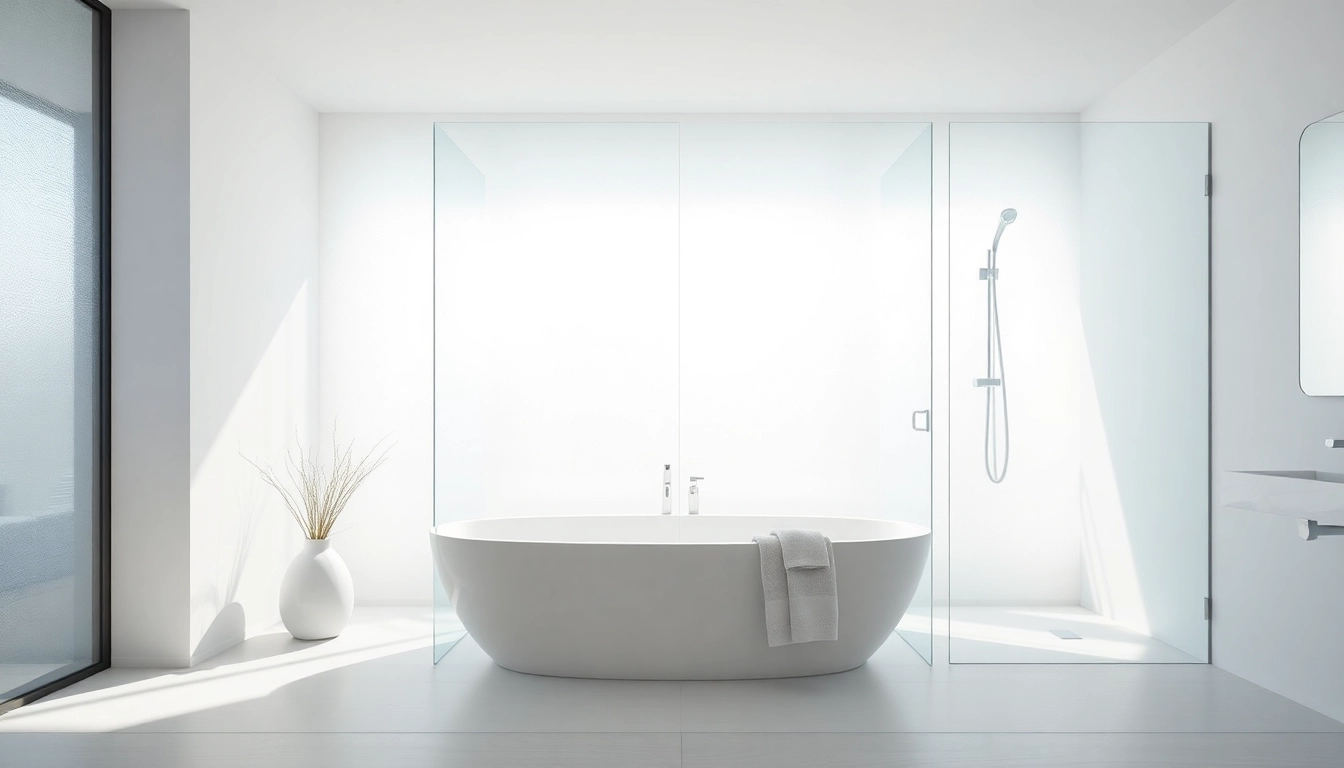
- Frameless Doors: Offering a sleek and modern look, frameless doors create an illusion of more space and allow for greater visibility.
- Decorative Patterns: Some doors come with decorative etching or tinted glass for added privacy and style.
Understanding Measurements and Fit
Accurate measurements are crucial. Here’s how to ensure a proper fit:
- Measure the width of your tub’s opening, ensuring you account for any fixtures.
- Determine the height from the floor to the top of your tub to select a door that provides sufficient coverage without leaving gaps.
- Consider any architectural features like tiles and frames that may impact the installation process.
Installation Tips for Sliding Shower Doors for Tubs
Installing sliding shower doors can be a rewarding DIY project if approached correctly. Here’s how to get it right:
Required Tools and Materials for Installation
Before you begin, ensure you have the necessary tools and materials including:
- Drill and drill bits
- Level
- Measuring tape
- Screwdriver
- Stud finder
- Sealant or caulk
Step-by-Step Installation Guide
- Prepare the Area: Clear the space around your bathtub and clean the surfaces where the doors will be installed.
- Measure and Mark: Use your measuring tape to determine where the track will be installed, marking the measurements accurately with a pencil.
- Install the Track: Attach the upper and lower track systems according to the provided instructions, ensuring they are level.
- Hang the Doors: Carefully lift and slide the doors into place on the tracks, ensuring they operate smoothly.
- Seal Edges: Apply sealant around the edges of the doors to create a watertight seal.
Common Installation Mistakes to Avoid
Avoiding pitfalls during installation can save you time and hassle:
- Neglecting Measurements: Always double-check your measurements before making any cuts or attachments.
- Improper Sealing: Ensure a proper seal to prevent leaks which can damage cabinetry or flooring.
- Forgetting the Manual: Always refer to the manufacturer's instructions for specific installation requirements.
Maintenance and Care for Sliding Shower Doors for Tubs
Maintaining sliding shower doors extends their lifespan and keeps your bathroom looking pristine. Here are some tips:
Cleaning Techniques for Glass Doors
Regular cleaning can help prevent water spots and soap scum buildup:
- Use a Soft Cloth: Clean with a microfiber cloth to avoid scratches.
- Glass Cleaner: Opt for a non-abrasive glass cleaner, or a mixture of vinegar and water for a natural solution.
- Wipe Down After Use: A quick wipe after each use can reduce build-up and make deep cleaning easier.
Preventing Common Issues
Avoid common problems associated with sliding doors:
- Track Maintenance: Regularly clean the tracks to prevent dirt and grime from hindering door movement.
- Inspect Seals: Routinely check seals for damage and replace them promptly to avoid leaks.
When to Seek Professional Help
While many installation and maintenance tasks can be done by yourself, consider hiring a professional if:
- The installation process feels overwhelming or if you're dealing with unique spaces.
- You notice persistent leaks or damage that you cannot diagnose.
Frequently Asked Questions about Sliding Shower Doors for Tubs
What are the disadvantages of a sliding shower door?
Sliding shower doors require regular track maintenance for smooth operation and may limit entry space, making access challenging in small bathrooms.
Can you put sliding doors on a bathtub?
Yes, several types of sliding doors are designed specifically for bathtubs, providing a seamless water barrier and stylish access.
Are glass doors on a tub a good idea?
Glass doors can elevate your bathroom's appearance, showcasing tile work and providing a modern, clean look, but may require regular cleaning.
Can you put a frameless shower door on a tub?
Yes, frameless doors can be installed on tubs and offer a high-end look, enhancing the bathroom's transparency and perceived space.
How do sliding shower doors affect bathroom space?
Sliding shower doors conserve space since they do not swing outward, making them ideal for smaller bathrooms where every inch counts.