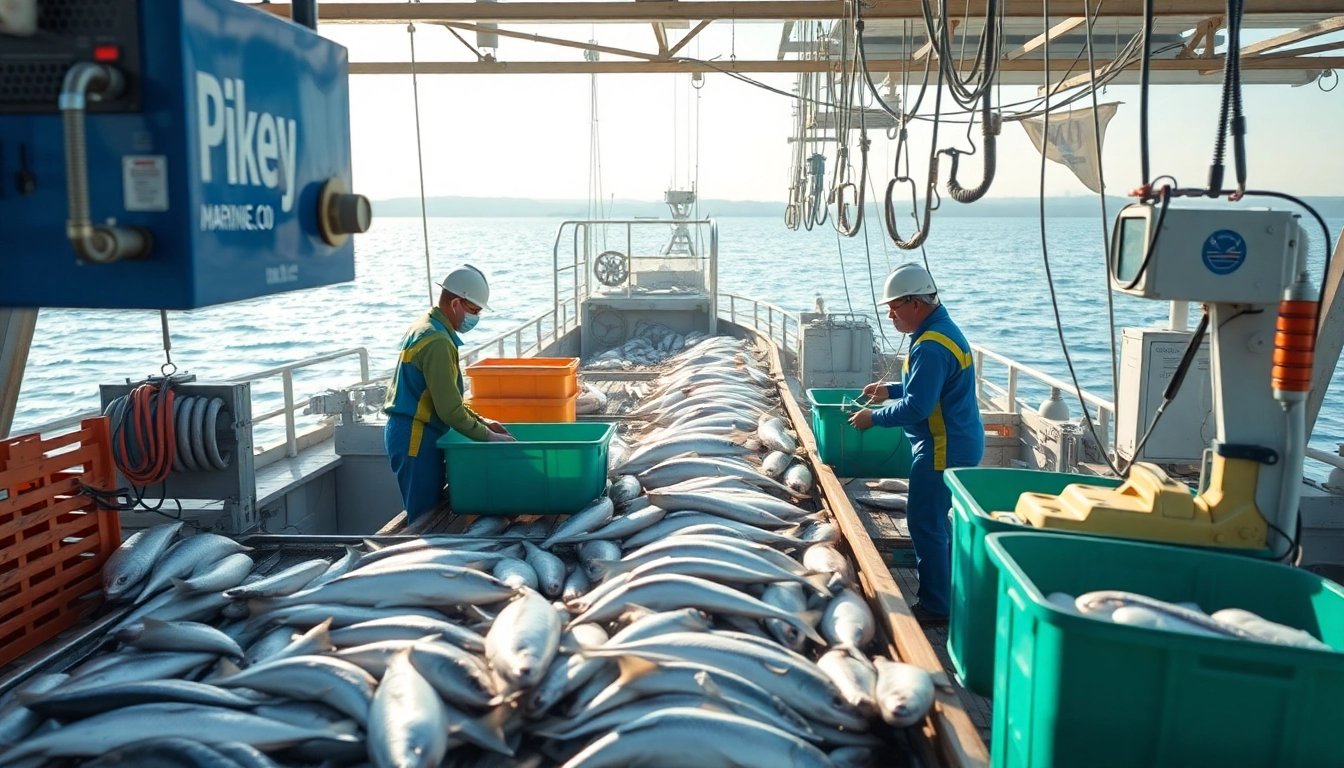
Understanding Wild Catch Fish Handling Systems
Definition and Purpose of Wild Catch Fish Handling Systems
Wild catch fish handling systems refer to the processes and technologies implemented to manage the catching, storing, and transporting of wild fish from ocean or freshwater bodies to the market. These systems are designed to preserve the quality and freshness of the catch while ensuring compliance with environmental standards and regulations. The primary purpose is to minimize stress on the fish, reduce mortality rates post-capture, and maintain the best possible condition of the fish throughout its journey.
Importance in the Fishing Industry
In the fishing industry, the importance of effective handling systems cannot be overstated. They play a critical role in supply chain efficiency, sustainability, and profitability. Improved handling systems lead to higher quality fish arriving at markets, which in turn positively affects consumer demand and prices. Moreover, with a stronger emphasis on sustainable practices, utilizing effective wild catch fish handling systems is imperative for protecting marine ecosystems and promoting responsible fishing practices.
Key Components of Effective Handling Systems
Effective wild catch fish handling systems consist of several critical components:
- Transportation Methods: The vehicles used for transportation, such as boats and refrigerated trucks, are vital in maintaining optimal conditions.
- Sorting and Grading Equipment: Tools that help assess the quality of the fish ensure that only the best are marketed.
- Temperature Control: Equipment designed for maintaining water temperature is crucial for the health of live fish.
- Storage Facilities: Proper storage systems are needed for both short and long-term holding, including tanks and ice facilities.
- Monitoring Systems: Technology that helps monitor fish condition, oxygen levels, and water quality through IoT devices.
Challenges in Wild Catch Fish Handling
Common Difficulties Faced by Operators
Operators in the fishing industry face various challenges when dealing with wild catch fish handling. Key challenges include limited access to advanced technology, inadequate training for crew members, and high operational costs. Moreover, environmental conditions such as rough seas can complicate transportation efforts, leading to delays and potential loss of the catch.
Impact of Improper Handling on Fish Quality
Improper handling can create significant detriments to fish quality. Stress during capture and transportation can lead to physical injuries, decreased shelf life, and lower overall market value. High mortality rates not only affect economic viability but can also alter ecological balance if certain species are overfished or poorly managed.
Regulatory Considerations and Compliance
Compliance with local and international fishing regulations is paramount. Regulatory bodies monitor fishing practices to ensure sustainability and ethical treatment of marine life. Operators must remain informed about standards regarding catch limits, handling practices, and reporting procedures to avoid legal ramifications and potential fines.
Best Practices for Handling Wild Caught Fish
Optimal Techniques for Maintaining Freshness
To ensure fish remain as fresh as possible, several best practices should be followed:
- Immediate Iced Storage: Fish should be immediately placed on ice after capture to lower body temperature.
- Proper Bleeding: Bleeding fish post-capture reduces spoilage effects by removing blood, which can accelerate deterioration.
- Avoid Overcrowding: Adequate space in storage tanks ensures that fish do not suffer from stress from overcrowding or lack of oxygen.
Innovative Technologies in Fish Handling
Innovative technologies are reshaping how fish are handled in the wild catch industry. Technologies such as automated sorting machines, advanced refrigeration units, and real-time monitoring systems allow for greater efficiency and quality control. These technologies can provide data-driven insights that help enhance operational practices and reduce waste.
Training and Development for Crew Members
Investing in training crew members is critical for the effective use of handling systems. Regular training sessions focusing on equipment usage, species-specific handling conditions, and safety protocols can greatly enhance the efficiency of operations. Equipping crews with knowledge of best practices also contributes to improved fish quality and reduced operational issues.
Case Studies and Success Stories
Effective Implementations of Handling Systems
Numerous case studies illustrate successful implementation of wild catch fish handling systems. For instance, a cooperative in the Pacific Northwest integrated a sophisticated monitoring system that tracks water quality and fish health. This innovation reduced mortalities by 30% and increased the marketability of their product.
Comparative Analysis of Handling Methods
A comparative analysis of handling methods reveals stark differences in effectiveness and sustainability. Traditional methods, while still used, often fail to maintain fish quality compared to modern practices that utilize technology and adhere to regulatory standards, proving the need for continual improvement.
Lessons Learned from Industry Leaders
Industry leaders emphasize the importance of adaptability and continuous improvement in their handling methods. They advocate for the integration of new technologies, regular training for crews, and strong compliance with environmental regulations. These lessons encourage others in the industry to prioritize quality and sustainability.
The Future of Wild Catch Fish Handling Systems
Emerging Trends and Technologies
Emerging trends in wild catch fish handling systems point towards increased automation and the use of AI in logistics and quality control. This will likely streamline operations while minimizing human error. Predictive analytics will further enhance decision-making related to handling and storage.
Sustainable Practices in Fish Handling
Sustainable practices are becoming a focal point in the wild catch industry, with a significant push for eco-friendly handling methods that reduce ecological impacts. Strategies include selective harvesting techniques and improved waste management practices to enhance overall sustainability.
Preparing for Industry Changes and Innovations
The fishing industry is poised for evolution, and stakeholders must prepare for changes brought about by regulations, consumer demand, and technological advancements. Emphasizing adaptability and continuous learning will be invaluable for staying relevant and competitive.
Frequently Asked Questions
What are wild catch fish handling systems?
These systems are processes and technologies designed to manage the catching, storing, and transporting of wild fish, ensuring their quality and sustainability.
Why is proper fish handling important?
Proper handling maintains fish freshness, reduces spoilage, and ensures compliance with regulations in the fishing industry, thus enhancing market value.
What challenges do operators face in fish handling?
Common challenges include limited access to technology, high operational costs, and the need for adequate crew training, impacting fish quality and survival.
How can fish quality be preserved during handling?
Fish quality can be preserved through immediate iced storage, proper bleeding, and avoiding overcrowding in handling tanks.
What are emerging trends in fish handling?
Emerging trends include increased automation, the use of AI technologies, and a stronger focus on sustainability measures in wild catch fish handling.