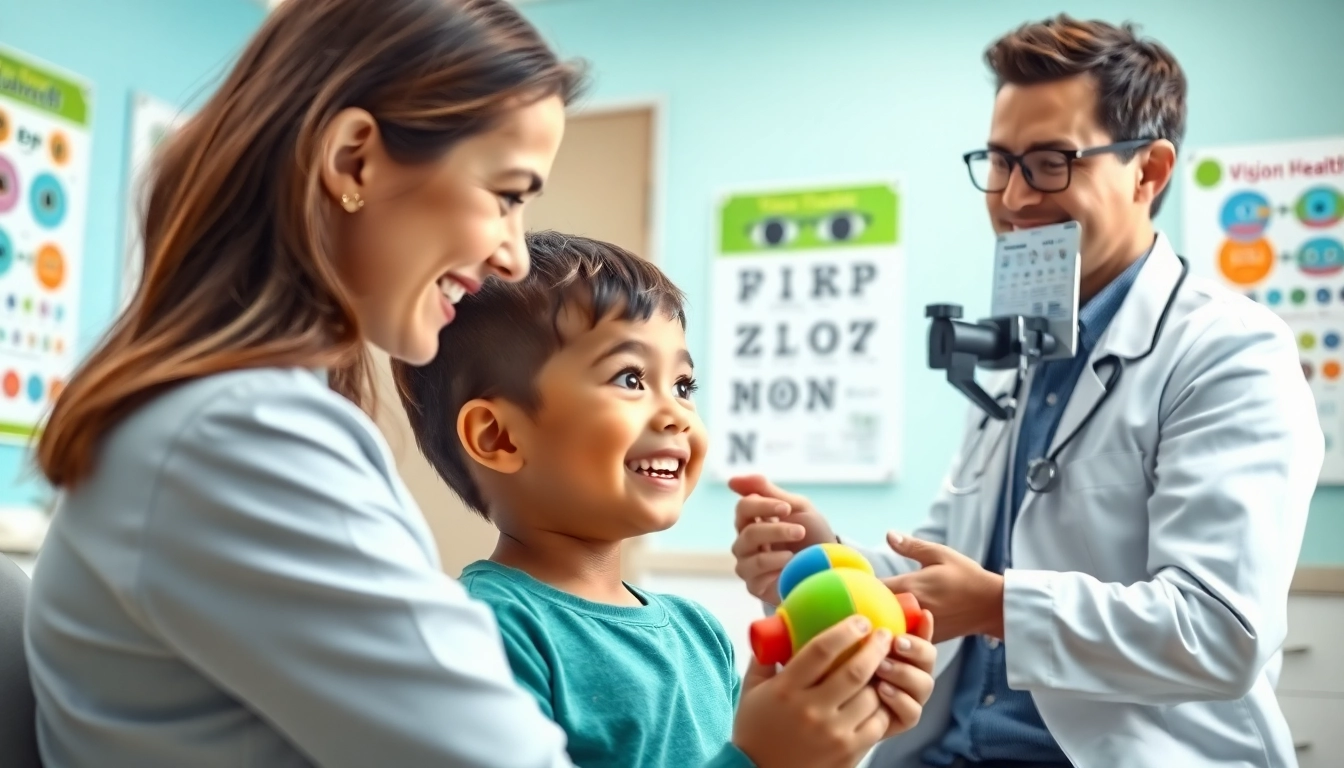
Understanding Our Children's Vision
Vision plays an essential role in the early development of children, affecting not only their ability to learn and communicate but also their overall engagement with the world around them. As parents and caregivers, understanding Our Children's Vision requires a comprehensive look at how vision impacts growth and development, along with recognizing potential issues that may arise during these formative years.
Importance of Vision in Child Development
Proper vision is crucial as it directly influences a child's development in numerous ways. Vision is integral for cognitive development, social interaction, and physical activities. Research has consistently demonstrated that children who have healthy vision processes information more effectively, which leads to improved learning outcomes. In preschool and early school years, children engage in activities that require good vision, such as reading, writing, and playing sports.
The ability to see clearly allows them to understand their surroundings, take part in group activities, and develop relationships with peers. Furthermore, visual skills such as hand-eye coordination and depth perception are essential as children partake in various physical play activities. It is no surprise that poor vision can lead to frustration and challenges in academic performance.
Common Vision Issues in Children
Various vision issues can affect children at different stages. Some of the most common conditions include:
- Myopia (Nearsightedness): This occurs when distant objects appear blurry. It is increasingly prevalent in children due to increased screen time.
- Hyperopia (Farsightedness): Opposite to myopia, this condition causes difficulty viewing objects up close.
- Astigmatism: A common refractive error that leads to blurred vision due to an irregular shape of the cornea.
- Amblyopia (Lazy Eye): This condition becomes evident when one eye fails to achieve normal visual acuity, often as a result of strabismus (crossed eyes) or significant refractive errors.
- Strabismus: When both eyes do not align properly and may focus on different objects, leading to double vision or suppressed vision in one eye.
Recognizing these common visual issues early on can significantly impact treatment outcomes and help avoid potential long-term vision impairment.
Signs Your Child May Need an Eye Exam
Being proactive in scheduling eye exams is essential for early detection of any vision issues. Signs that your child may need an eye exam include:
- Squinting or closing one eye to see
- Frequent headaches or eye strain
- Poor performance in school or difficulty reading
- Difficulty with hand-eye coordination
- A tendency to sit too close to screens or hold books too close
If you observe any of these signs, consult a pediatric eye specialist as soon as possible. Early intervention can often lead to better treatment options and outcomes.
Practices to Support Optimal Vision
Supporting children’s optimal vision extends beyond regular eye exams. Several lifestyle practices can be integrated into their daily routines to promote healthy eyesight.
Nutritional Factors for Eye Health
A balanced diet plays a significant role in maintaining good vision. Nutrients such as vitamins A, C, and E, along with omega-3 fatty acids, are particularly beneficial for eye health. Foods rich in these nutrients include:
- Carrots: High in beta-carotene, which is converted into vitamin A.
- Leafy greens: Kale and spinach are rich in lutein and zeaxanthin that help protect the retina.
- Citrus fruits: Oranges and other citrus fruits provide vitamin C, essential for overall eye health.
- Fish: Fatty fish such as salmon is rich in omega-3 fatty acids, crucial for maintaining the health of the retinal cells.
Encouraging a balanced diet can help mitigate the risk of developing vision problems later in life.
Screen Time Guidelines for Children
In this digital age, managing screen time is vital in maintaining children's eye health. The American Academy of Pediatrics suggests the following guidelines:
- For children under 18 months: Avoid the use of screen media other than video chatting.
- For children 18 to 24 months: Introduce high-quality programming, but watch it with your child to help them understand.
- For children ages 2 to 5: Limit screen time to one hour per day of high-quality programming.
- For children ages 6 and older: Ensure consistent limits on screen time to promote balance with other healthy behaviors, such as sleep and recreational activities.
Encouraging regular breaks during screen use, known as the 20-20-20 rule—looking at something 20 feet away for 20 seconds after 20 minutes of screen time—can help reduce eye strain.
Encouraging Outdoor Play for Eye Development
Engaging in outdoor activities is essential for the visual development and general well-being of children. Studies have shown that children who spend more time outside are less likely to develop myopia. Outdoor light is beneficial, as it stimulates the production of dopamine in the retina, which may help inhibit eye elongation and prevent the onset of myopia. Outdoor play also provides opportunities for children to experience various distances and lighting conditions, which are vital in developing their visual skills.
Scheduling Eye Exams for Children
Regular eye exams are an integral part of maintaining good eye health in children. Knowing when to start and what to expect can make this process easier for both parents and children alike.
When to Start Regular Eye Check-ups
It is recommended that children have their first eye exam at 6 months of age. After that, children should receive additional exams at the age of 3 and again just before they start school. Following these initial check-ups, regular exams should occur every 1-2 years or more often if recommended by a pediatric eye specialist, especially if a vision problem is detected or if the child has a family history of eye issues.
What to Expect During an Eye Exam
During a typical eye exam, the pediatric eye specialist will conduct a series of tests to evaluate your child's visual acuity, eye coordination, and overall eye health. This may include:
- Visual acuity tests to measure how well your child sees at different distances.
- Eye muscle tests to evaluate coordination and alignment of the eyes.
- Refraction assessment to determine the appropriate lens prescription if necessary.
- Examination of the eye's internal structures using specialized equipment.
Eye exams are generally non-invasive and can often be completed in a friendly and engaging manner, making it a comfortable experience for your child.
Finding the Right Pediatric Eye Specialist
Choosing a pediatric eye specialist is an important step in ensuring your child's eye health. When selecting an optometrist or ophthalmologist, consider the following:
- Credentials and experience in treating children.
- A welcoming environment that caters specifically to young patients.
- Positive reviews or recommendations from other parents.
- Availability of comprehensive services, including advanced diagnostic tests if necessary.
A good pediatric eye specialist will make efforts to ensure your child is comfortable and involved in their eye care process.
Enhancing Awareness about Eye Health
Raising awareness about the importance of eye health is key to ensuring better vision outcomes for children. Parents and communities alike can play an active role in fostering an understanding of vision care.
Educating Parents on Vision Care
Education is the cornerstone in promoting eye health among children. Parents should be equipped with information regarding signs of vision problems, the importance of regular eye exams, and the role of nutrition and lifestyle in eye health. Regular workshops and information sessions can help parents learn about preventative measures and how to encourage healthy habits in children.
Resources for Learning About Eye Health
There are numerous resources available for parents to educate themselves and their children about eye health. These include:
- Online resources, such as government health websites and reputable children's health organizations.
- Local community programs that focus on eye health and related activities for children.
- Books and educational materials dedicated to children's vision and eye care.
Utilizing these resources enables parents to foster an environment that prioritizes eye health from a young age.
Community Engagement in Eye Health Initiatives
Community involvement plays a crucial role in raising awareness and supporting eye health initiatives. Schools can organize regular vision screenings and health fairs to encourage families to get their children’s eyes checked. Collaborating with local healthcare providers can enhance access to eye care services, especially in underserved areas. Engaging local organizations can help promote screening events and educational programs to emphasize the significance of proactive eye health management.
Measuring Success in Vision Health
To understand the effectiveness of various eye care practices, it's important to establish methods for evaluating children's vision health.
Tools to Assess Children’s Vision Health Improvements
Utilizing specific metrics helps monitor improvements in children's vision health over time. This may include:
- Tracking visual acuity scores over a series of exams.
- Observing improvements in academic performance or activities that require good vision.
- Feedback from children regarding their visual experiences in daily activities.
By collecting and analyzing this data, parents and healthcare providers can adapt their strategies to enhance vision health further.
Long-term Benefits of Addressing Vision Issues Early
Addressing vision issues as soon as they arise can yield long-term benefits, ensuring children thrive both academically and socially. Early detection and treatment of vision problems can prevent other complications, such as behavioral problems and difficulties in communication. Children who begin learning with clear vision are far more likely to develop earlier reading skills, critical thinking abilities, and emotional intelligence, demonstrating the profound impact of effective vision care.
Collaborating with Schools for Vision Screenings
Schools can serve as a critical juncture for promoting vision health through regular screenings. Collaboration between schools, parents, and eye care professionals can facilitate screening programs that catch vision problems early. Providing training for teachers and staff can empower them to recognize potential vision issues in students and refer them for assessments. These proactive measures contribute significantly to the overall health and education of the child.