Understanding the Basics of Gardening
What is Gardening?
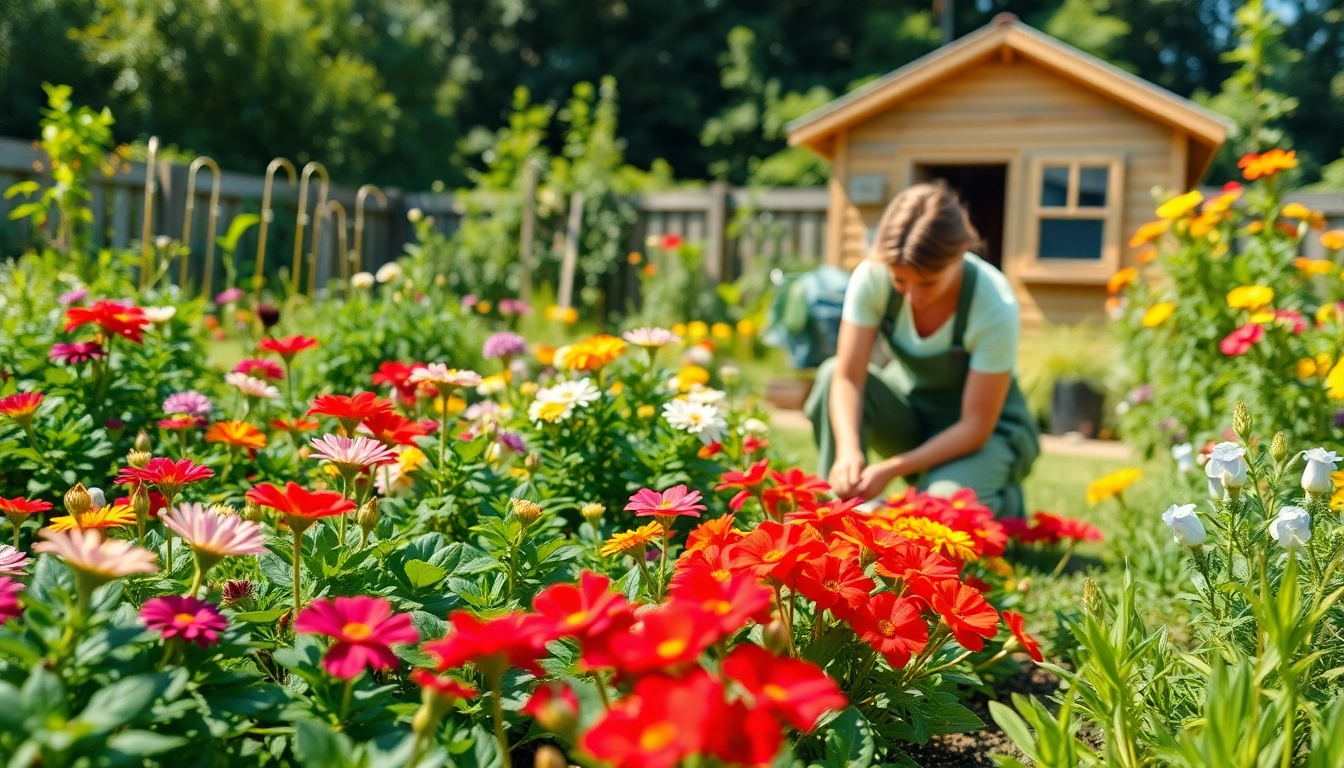
Gardening is the practice of cultivating and nurturing plants in specific environments to produce a variety of outcomes, including flowers, fruits, vegetables, and herbs. At its core, it brings people closer to nature and allows them to engage in an activity that is as artistic as it is functional. Gardening can be both a therapeutic hobby and a sustainable means of food production. Whether you are planting a single pot of herbs on your balcony or cultivating an expansive vegetable garden in your backyard, the journey begins with understanding the fundamental principles of Gardening.
The Importance of Soil Health in Gardening
The foundation of any successful garden lies in the soil. The health of the soil determines the growth and well-being of your plants. Healthy soil is rich in organic matter and teeming with microorganisms that enhance plant growth. Key factors to consider include soil texture, nutrient levels, pH balance, and moisture retention. Testing your soil helps in understanding what amendments it might need, such as compost, mulch, or specific fertilizers. By prioritizing soil health, gardeners can create a robust environment for their plants, leading to a bountiful yield.
Choosing the Right Plants for Your Environment
Choosing plants suited to your climate, soil type, and sun exposure is paramount in achieving gardening success. Each plant has specific requirements regarding light, water, and soil nutrition. Understanding your USDA Hardiness Zone can help you gauge what plants will thrive in your area. Native plants are often a reliable choice as they are adapted to your local conditions. Additionally, consider the seasonal lifecycle of the plants, spacing needs, and their intended use in your garden—be it for aesthetics, food production, or attracting beneficial wildlife.
Essential Tools and Supplies for Gardening
Must-Have Gardening Tools for Every Beginner
Investing in the right tools is crucial for any gardener, especially beginners. Essential tools include:
- Hand Trowel: Ideal for digging and transplanting.
- Pruning Shears: Perfect for trimming and shaping plants.
- Garden Fork: Effective for turning soil and incorporating compost.
- Weeder: Useful for removing unwanted weeds without damaging your plants.
- Gloves: Essential for protecting your hands from thorns and dirt.
- Watering Can or Hose: Both are important for hydrating your plants efficiently.
Having the right tools at hand not only streamlines gardening tasks but also makes the overall experience more enjoyable.
Organic vs. Synthetic Fertilizers: What You Need to Know
When it comes to nourishing your plants, gardeners often face the choice between organic and synthetic fertilizers. Organic fertilizers, such as compost, manure, and bone meal, release nutrients slowly and improve soil health over time. They promote a balanced ecosystem in the garden. Conversely, synthetic fertilizers offer quick nutrient delivery but can lead to soil depletion and runoff issues if not used responsibly. Understanding the long-term impact of your fertilizer choice is crucial in sustainable gardening practices.
Creating a Gardening Checklist for Success
A gardening checklist can help ensure that you cover all essential tasks and do not overlook crucial details. It can include:
- Assessing soil health and making necessary amendments.
- Planning what to plant based on the season.
- Setting up irrigation and watering schedules.
- Regularly checking plants for pests and diseases.
- Timing your planting and harvesting to maximize yield.
By following a checklist, you'll streamline your gardening efforts and improve your chances of a fruitful harvest.
Mastering Gardening Techniques
Watering Practices: How Much and When?
Watering is a critical aspect of gardening that can make or break your plants' health. Knowing when and how much to water is essential. Factors such as plant type, weather conditions, and soil type will affect your watering schedule. A good rule of thumb is to water deeply but infrequently, encouraging roots to grow deeper into the soil. Using a moisture meter can provide insights on when to water, keeping your plants hydrated without overdoing it.
Pruning Basics for Healthy Plants
Pruning is vital for maintaining healthy plants, encouraging new growth, and preventing disease. It involves cutting away dead or overgrown branches and stems to promote better air circulation and light penetration. When pruning, it's essential to use clean tools to avoid transmitting diseases, and to prune at the right time—usually during the dormant season for most species. Understanding the specific needs of each plant will guide your pruning practices effectively.
Effective Weeding Strategies in Gardening
Weeds compete with your plants for light, nutrients, and water, making effective weeding essential for any gardener. Regularly inspecting your garden and removing weeds by hand or using tools can keep infestations at bay. Mulching can also be a highly effective strategy; it suppresses weeds while retaining moisture and improving soil quality as it decomposes. Additionally, some gardeners employ natural herbicides or boiling water to eliminate persistent weeds without harmful chemicals.
Gardening Challenges and Solutions
Dealing with Pests: Organic Methods for Gardening
Pest management is a common challenge for gardeners. Embracing organic pest control methods is not only safer for the environment but can also enrich soil health. Techniques include introducing beneficial insects (like ladybugs and lacewings), using neem oil, or creating traps with soapy water. Intercropping and companion planting can also deter pests naturally, maintaining a balanced ecosystem in your garden. These strategies can help keep pests at bay while promoting a healthy plant environment.
Managing Weather Extremes in Your Garden
Weather extremes, such as heatwaves or unexpected frosts, pose significant risks to garden health. To safeguard your plants, understanding your local climate is crucial. Applying mulch can help regulate soil temperature and moisture levels. Creating windbreaks with larger plants or structures can protect against high winds, while frost blankets can shield delicate plants from sudden cold. Planning your garden layout with these considerations can significantly enhance resilience against environmental stressors.
Preventing Common Plant Diseases
Plant diseases can derail your gardening efforts, so implementing preventative measures is essential. Familiarize yourself with common issues like powdery mildew and blight, and ensure adequate spacing for air circulation between plants. Regularly inspecting your plants helps catch early signs of disease, making treatment easier. Practices such as crop rotation and using disease-resistant varieties can further reduce the risk of infection in your garden.
Advanced Gardening Strategies for Enthusiasts
Companion Planting for Improved Growth
Companion planting is a technique in which certain plants are grown together to mutually benefit each other. For instance, planting marigolds alongside tomatoes can help repel pests. Additionally, crops like beans can fix nitrogen in the soil, improving nutrient availability for nearby plants. Researching which plant combinations thrive together can significantly enhance yield, reduce pest problems, and lead to healthier plants overall.
Vertical Gardening: Maximizing Small Spaces
For gardeners with limited space, vertical gardening presents an innovative solution. This method involves growing plants upward rather than outward, utilizing trellises, wall planters, and hanging pots. Vegetables such as cucumbers and tomatoes can thrive in vertical gardens, making it easy to maximize produce in small areas. Beyond functionality, vertical gardens can also be stunning focal points, adding beauty to small patios or balconies.
The Art of Creating a Seasonal Gardening Calendar
Having a seasonal gardening calendar can help you organize planting and harvesting schedules effectively. This calendar should outline the ideal times for planting seeds, transplanting seedlings, and harvesting crops. Additionally, including reminders for tasks such as fertilizing and pruning will keep you on track throughout the growing season. Seasonal checklists not only promote better productivity but also lead to a more enjoyable gardening experience as you stay engaged with your garden year-round.