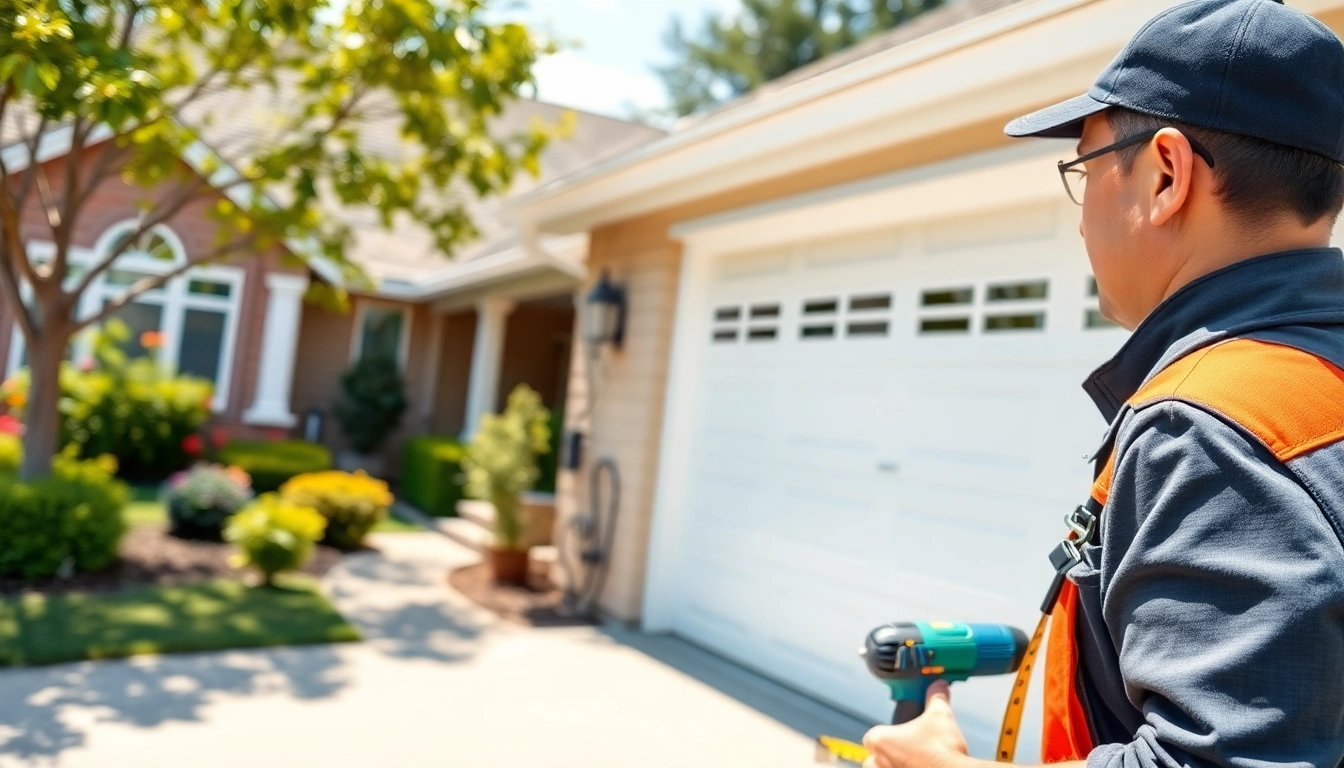
Understanding Garage Door Replacement Basics
What is Garage Door Replacement?
Garage door replacement is the process of removing your existing garage door and replacing it with a new one. This often includes not just the door itself, but may also involve new hardware, tracks, and even the opener system. Homeowners may opt for a replacement due to various reasons like age, aesthetic updates, or performance issues. A properly executed Garage Door Replacement can enhance your home’s curb appeal, improve security, and boost energy efficiency.
Signs You Need a Garage Door Replacement
Several indicators may suggest it's time to consider replacing your garage door:
- Frequent Repairs: If you're regularly calling for repairs, it might be more cost-effective to replace the door.
- Visible Damage: Look for dents, bent tracks, rust, or other signs of wear that impact functionality.
- Noise Levels: Excessive noise during operation can signify the need for a new door or new opening hardware.
- Safety Concerns: If the door self-closes slowly or is malfunctioning, it can pose safety risks.
- Outdated Features: Modern garage doors come equipped with better insulation and safety features that older models lack.
Common Misconceptions About Garage Door Replacement
Garage door replacement is often surrounded by myths that may deter homeowners from proceeding. Common misconceptions include:
- All Doors Are the Same: Each garage door features unique designs and functional elements, making selection very important.
- DIY Is Always Cheaper: While DIY may save some costs, improper installation can lead to expensive repairs down the line.
- Replacement Is Only for Damaged Doors: Even functional doors may benefit from replacement due to improved energy efficiency and aesthetics.
Choosing the Right Garage Door for Replacement
Factors to Consider When Selecting a Garage Door Replacement
Choosing the right garage door replacement requires careful thought. Important factors include:
- Style: Whether you want traditional, modern, or carriage-style doors, the design should complement your home’s exterior.
- Material: The garage door’s material directly influences durability, maintenance, and insulation. Materials range from steel to wood.
- Insulation: Insulation is crucial, especially if your garage is part of your home’s heating or cooling envelope.
- Security Features: Newer models come equipped with better locking mechanisms and sturdier materials.
- Budget: Decide on a budget before shopping, understanding that the price can vary greatly based on features and materials.
Types of Garage Doors for Replacement
Garage doors come in several types, each providing different functionalities and aesthetics:
- Sectional Garage Doors: Composed of panel sections, these doors are common and open vertically.
- Roll-Up Garage Doors: Great for spaces with limited headroom, these doors roll into a coil above the opening.
- Side-Hinged Garage Doors: Opening like traditional doors, these are typically found on older homes.
- Tilt-Up Garage Doors: These are single-panel doors that tilt up to open and are often easier to install than other types.
Comparing Materials for Garage Door Replacement
The material of your garage door has a significant impact on durability, maintenance, and cost. Here’s a breakdown of common materials:
- Steel: Durable and low maintenance, steel doors are secure and can be insulated for energy efficiency.
- Wood: Aesthetically pleasing, wood doors provide natural beauty but require more maintenance to prevent decay and damage.
- Aluminum: Lightweight and resistant to rust, aluminum doors can be an excellent option but might dent easily.
- Fiberglass: This material mimics wood but offers better durability and less maintenance.
Preparing for Garage Door Replacement
Assessing Your Existing Garage Door
Before proceeding with a garage door replacement, thoroughly assess your current garage door. Check for:
- Physical wear and tear.
- Issues with the opening mechanism.
- Type of insulation, if any.
- The overall aesthetic and compatibility with your home.
Budgeting for Garage Door Replacement Costs
Budgeting is an essential step in the replacement process. Costs can vary based on:
- Door Type: Sectional doors tend to be more affordable compared to customized wooden doors.
- Material: As previously mentioned, materials have varying costs, with steel generally being cheaper than wood.
- Installation Fees: Professional installation can add significantly to the total cost, so obtaining multiple quotes is recommended.
Finding a Qualified Installer for Garage Door Replacement
Finding the right professional for your garage door installation is crucial. Focus on:
- Reviews and References: Consider feedback from previous clients to gauge the installer’s reliability and quality of work.
- Licensing and Insurance: Verify that your installer is licensed and insured to protect yourself from liabilities.
- Experience: Look for professionals with proven experience in garage door replacements.
The Garage Door Replacement Process
Step-by-Step Guide to Garage Door Replacement
Following a systematic process can ensure a successful garage door replacement. Here are the typical steps involved:
- Remove the Existing Door: Carefully detach the door from the tracks and springs.
- Prepare the Opening: Clean and inspect the door frame and ensure it is free of damage.
- Install the New Door: Follow the manufacturer’s instructions for fitting the new door, ensuring alignment and secure installation.
- Set Up the Hardware: Attach all necessary hardware, including tracks and springs, as per the installation guide.
- Final Adjustments: Test the door's performance and make any necessary adjustments to ensure smooth operation.
Safety Tips During Garage Door Replacement
Safety should be a priority throughout the replacement process. Remember to:
- Use safety glasses to protect your eyes from debris.
- Wear gloves to guard against sharp edges.
- Have additional support when lifting heavy sections of the door.
- Follow all safety precautions outlined in the manufacturer's installation manual.
Common Problems Encountered During Garage Door Replacement
Be prepared for potential challenges during the replacement process, such as:
- Alignment Issues: If the door isn't aligned correctly, it can lead to operational problems.
- Spring Tension Problems: Incorrectly installed springs can be dangerous and affect the door's balance.
- Hardware Failure: Using unsuitable parts can lead to premature wear or failure of the system.
Post-Replacement Care for Your New Garage Door
Maintenance Tips for Garage Door Replacement
Once your new garage door is in place, regular maintenance is essential to ensure its longevity. Key maintenance tips include:
- Regularly lubricate moving parts, including rollers and hinges.
- Inspect the door annually for signs of wear or damage.
- Keep the tracks clean and free of debris.
Signs Your New Garage Door Needs Attention
Monitor your garage door for signs that it may need professional attention, such as:
- Increased noise during operation.
- Struggles to open or close smoothly.
- Visible wear or damage to panels and hardware.
When to Call a Professional After Garage Door Replacement
Even with a new installation, there are times when contacting a professional is advisable, including:
- If you notice persistent operational issues.
- After experiencing any accidents or structural damage to the door.
- When it's time for an annual inspection or maintenance check.