Understanding Home Renovation
Home renovation is more than just a way to refresh your living space; it encapsulates the essence of improving a property's value, functionality, and aesthetic appeal. Whether you're contemplating a minor facelift or a complete overhaul, understanding the fundamentals of Home renovation is crucial. This comprehensive guide will delve into the various aspects of home renovation, from planning to execution and tackling common challenges.
What is Home Renovation?
Home renovation refers to the process of improving a broken, damaged, or outdated structure. This can involve various projects, including upgrading fixtures, adding rooms, or redefining spaces. It's not just limited to the physical alteration of homes but also includes enhancing the utility of the space and making the home more energy-efficient.
Types of Home Renovation Projects
Home renovations can be categorized into several types, each addressing different facets of a home:
- Aesthetic Renovations: These projects focus on improving visual appeal. Examples include painting, flooring updates, or landscaping.
- Functional Renovations: These upgrades enhance the utility of a space, like adding shelving or optimizing layouts.
- Structural Renovations: These involve altering the framework, such as knocking down walls or reinforcing foundations.
- System Upgrades: Think along the lines of HVAC installations, electrical systems, or plumbing replacements.
- Eco-Friendly Renovations: Upgrading to energy-efficient appliances, insulation, or solar panels to reduce environmental impact.
Benefits of Home Renovation
Investing in home renovation offers numerous advantages:
- Increased Property Value: Quality renovations can significantly increase the resale price of a home.
- Enhanced Comfort: Tailored renovations can increase a home's livability, making it more enjoyable to live in.
- Improved Efficiency: Upgrades such as energy-efficient appliances save on utility bills and reduce the home's carbon footprint.
- Personalization: Renovations allow homeowners to customize their space to better reflect their tastes and lifestyles.
- Increased Functionality: Structural changes can create an open floor plan that enhances the flow of home life.
Planning Your Home Renovation
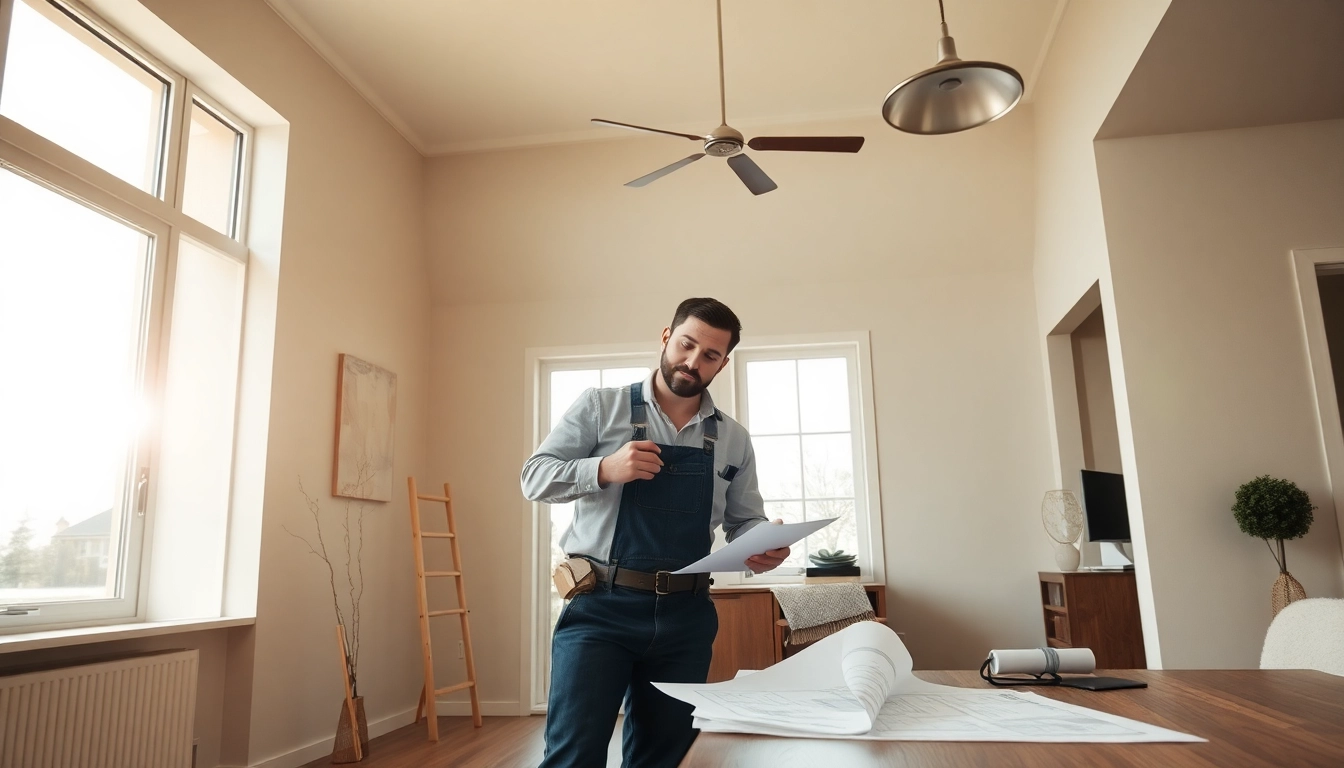
Effective planning is critical to the success of any home renovation project. Failing to plan can lead to budget overruns, extended timelines, and disappointing results.
Setting a Budget
Establishing a clear budget is paramount. Begin by determining how much you can afford to spend, factoring in expenses beyond just labor and materials:
- Contingency Fund: Set aside 10-20% of your budget for unexpected costs that may arise.
- Detailed Breakdown: Outline costs associated with materials, labor, permits, and design consultations to avoid surprises.
- Financing Options: Explore loans or financing options if the budget is tight, ensuring to understand interest rates and repayment terms.
As you create your budget, keep in mind that quality is usually proportional to cost, so it's wise to prioritize where to splurge versus where to save.
Choosing the Right Design
Design selection sets the tone for your renovation. Key considerations when selecting a design include:
- Style Preference: Consider your personal style and whether it leans more traditional, modern, or somewhere in between.
- Functionality: Your design should facilitate the intended use of the space, enhancing the daily experience of those living there.
- Resale Value: Consider designs that are broadly appealing to maintain or increase the home's marketability.
- Professional Help: Engaging with an interior designer can offer professional insights, potentially preventing costly missteps.
Creating a Timeline
A well-defined timeline can help manage the chaos of a renovation:
- Project Phases: Break down the project into phases, such as design, demolition, and construction.
- Set Milestones: Establish milestones to track progress within each phase, which can help identify any delays early on.
- Flexibility: Accept that construction timelines can vary, and remain flexible to adapt as needed.
Executing Your Home Renovation
With plans in hand, the next step in the home renovation journey is execution, where careful management is essential for success.
Hiring the Right Professionals
Choosing the right professionals can make or break your renovation project. Here are aspects to consider:
- Experience and Specialization: Look for contractors with a strong portfolio in projects similar to yours.
- Licenses and Insurance: Ensure that your contractors are licensed and insured to protect yourself from liability.
- References and Reviews: Talk to past clients and check online reviews to gauge a contractor's reliability and quality of work.
- Communication: A contractor who communicates effectively can keep you informed and aligned with the project goals.
DIY vs. Contractor Work
The decision between DIY projects and hiring professionals often boils down to your skills, the project's scope, and budget. Key points to consider include:
- Skill Level: Assess your capabilities. Some renovation tasks like painting or minor repairs may be feasible to tackle alone.
- Time Commitment: DIY can be time-consuming, so consider if your schedule allows for this investment.
- Quality Assurance: Critical tasks, particularly those involving plumbing or electrical work, are best left to professionals.
Permits and Regulations
Many renovations require permits to ensure compliance with local building codes. Here are steps to navigate the permitting landscape:
- Research: Investigate what types of renovations require permits in your locality.
- Submit Applications: Be prepared to submit plans and specifications for the work to be completed.
- Inspections: Some projects may require inspections during or after completion. Ensure compliance with regulations to avoid fines.
Common Challenges in Home Renovation
Every renovation project comes with its own set of challenges, but recognizing them early can help mitigate potential setbacks.
Dealing with Unexpected Costs
One of the most common challenges in any renovation is the emergence of unexpected costs. To navigate this, consider the following:
- Thorough Assessment: Conduct a detailed assessment of the existing structure, which can reduce the likelihood of surprises.
- Contingency Planning: Always incorporate a contingency in your budget to cover unforeseen expenses.
- Regular Updates: Keep communication open with your contractors about potential issues that may arise during the execution stage.
Managing Contractor Expectations
Establishing clear expectations with your contractor from the beginning is crucial for a smooth renovation. Strategies include:
- Clear Objectives: Clearly express your vision and objectives to your contractor to avoid miscommunication.
- Scheduling Meetings: Regular check-ins can help ensure the project is on track and address any emerging concerns.
- Documentation: Keep records of all agreements and modifications made during the project for clarity and reference.
Time Management in Renovation Projects
Staying on schedule is vital for project completion. Here are tips for effective time management:
- Detailed Timeline: Have a clear, detailed timeline that outlines every aspect of the renovation.
- Realistic Timeframes: Avoid over-optimism; allow extra time for potential delays.
- Delegate Effectively: Assign roles and responsibilities to ensure that no task is left unattended.
Maximizing Value through Home Renovation
Renovating isn't just about changing spaces; it’s also about maximizing the inherent value of your property.
Renovations That Increase Home Value
Certain renovation projects tend to offer better returns on investment. Consider the following examples:
- Kitchens: Updated kitchens with modern appliances often yield the highest returns.
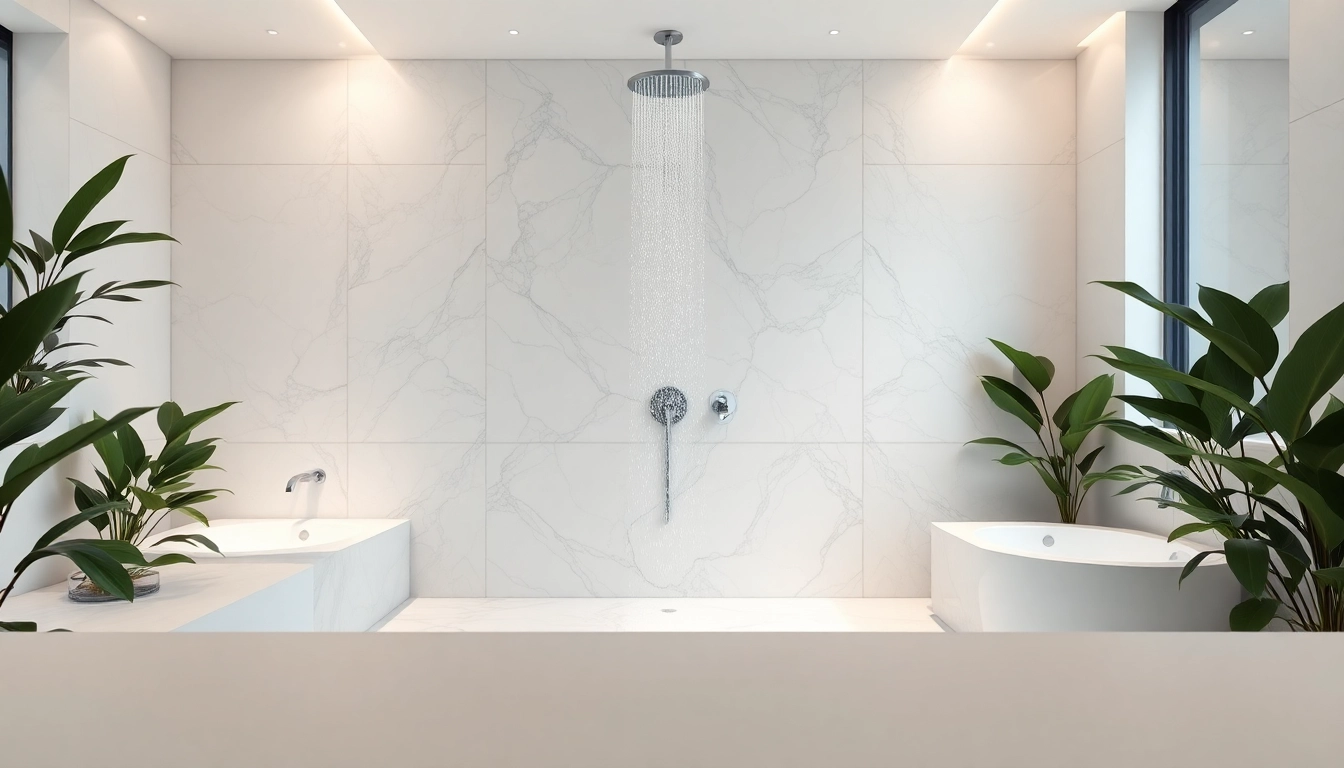
- Baths: Master bath upgrades can significantly enhance property appeal.
- Open Floor Plans: Creating open concepts can make homes feel more spacious and better connected.
Consulting a real estate agent can provide local insights on which renovations yield the best return in your area.
Energy-Efficient Upgrades
Implementing energy-efficient upgrades not only benefits the environment but also positions your home as a cost-effective option for future buyers:
- Insulation: Better insulation helps control temperature and save on heating and cooling costs.
- Energy Star Appliances: Replacing outdated appliances with Energy Star-rated options can lead to significant savings.
- Renewable Energy: Installing solar panels may offer tax credits and long-term savings on energy bills.
Final Touches for Aesthetic Appeal
The finishing touches of a renovation can greatly enhance aesthetic appeal. Consider these elements:
- Lighting: Elegant lighting fixtures can create mood and highlight architectural features.
- Color Schemes: Choosing harmonious colors can tie a room’s elements together for a cohesive feel.
- Landscaping: Well-planned outdoor spaces can elevate curb appeal and serve as ideal entertaining areas.
In conclusion, while home renovation can be a complex and multifaceted endeavor, with diligent planning and execution, it can lead to beautiful transformations and increased property value. Embrace the process with clear goals, a strong support team, and a vision for your ideal home.