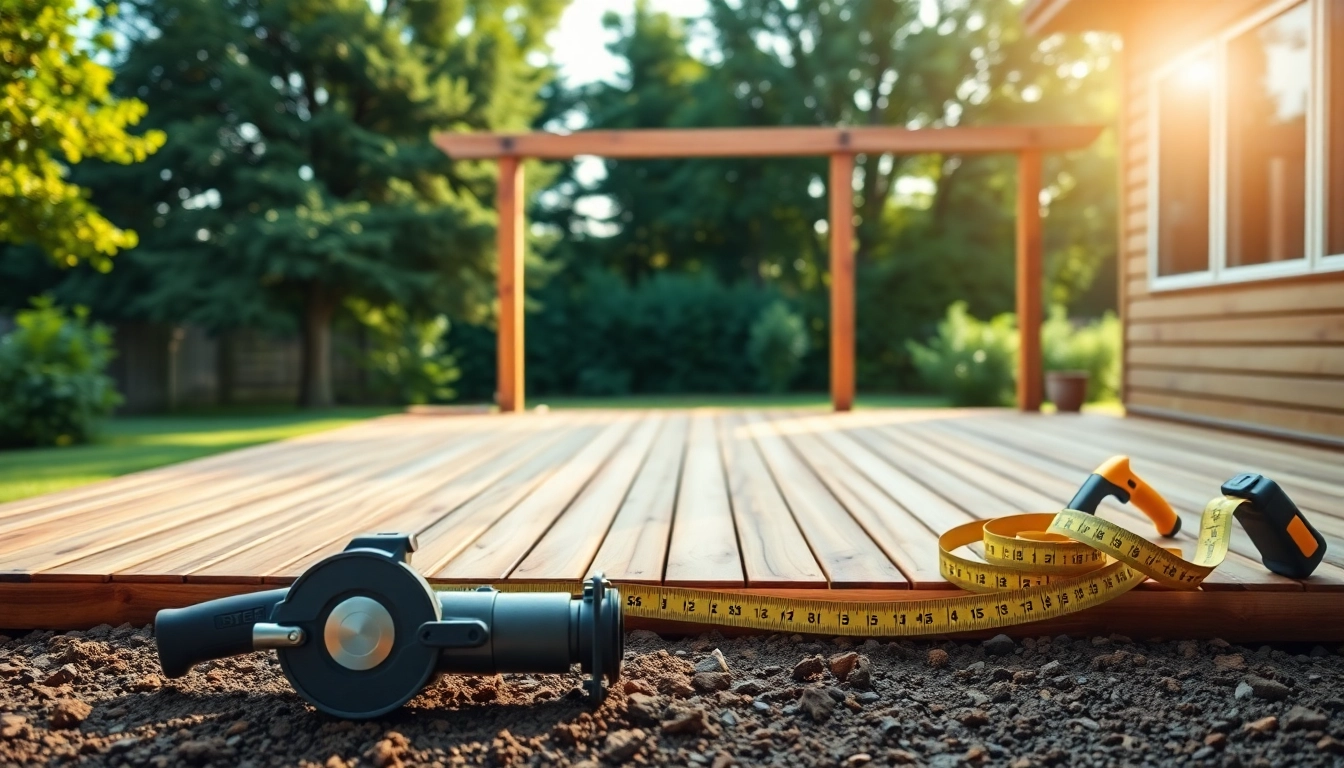
Understanding the Fundamentals of Deck Building
Deck building is an exciting and rewarding project, offering homeowners a way to enhance outdoor living spaces. Whether you're planning to host summer barbecue parties or creating a serene retreat for relaxation, understanding the fundamentals is crucial to ensure success. A well-constructed deck can significantly increase the value of your home while providing a functional outdoor area. This article provides a detailed guide on the essentials of deck building, covering everything from planning and materials to safety and maintenance. As you venture into this project, it’s important to remember the importance of thorough planning and the right resources. This includes familiarizing yourself with the various stages of deck building that will ensure your construction meets aesthetic, functional, and safety standards.
Importance of Planning in Deck Building
Before you break ground on your new deck, it’s vital to plan each step of the process carefully. Proper planning can prevent costly mistakes and rework. Begin by assessing your needs and identifying the deck's primary function. Will it be a space for entertaining guests, a resting area, or a play area for kids? Once you've established the deck’s purpose, consider how it will fit with the existing architecture of your home and landscape.
Key elements to include in your planning phase are:
- Design Specifications: Create a layout that considers size, shape, and style. Sketching your ideas or using design software can help visualize the final product.
- Local Regulations: Research zoning laws and building codes in your area. Some locales may require permits for deck construction, especially for larger structures.
- Budgeting: Determine your budget upfront. Include costs for materials, labor, tools, and potential professional help.
- Timeline: Establish a timeline for completing your deck. Consider weather conditions and seasonal impacts that might influence your project.
By anticipating challenges and planning accordingly, you will enhance the likelihood of a smooth construction process.
Common Materials Used in Deck Building
The materials you choose will significantly affect your deck's durability, maintenance, and aesthetic appeal. Here are some of the most commonly used materials in deck building:
- Pressure-Treated Wood: Ideal for its affordability and resilience against the elements, pressure-treated wood is a popular choice. It requires regular maintenance, including staining and sealing, to prolong its lifespan.
- Composite Decking: Made from a mix of wood fibers and recycled plastic, composite decking resists fading, warping, and splintering. It's low-maintenance and available in various colors and textures.
- Hardwood: For a higher-end look, hardwoods like cedar, teak, or mahogany provide natural beauty and durability. They are resistant to moisture and insects but need regular upkeep.
- Aluminum: Lightweight and resistant to rot, aluminum is a long-lasting material that requires minimum maintenance. It is available in various finishes and colors, though it usually comes at a higher upfront cost.
- PVC (Polyvinyl Chloride): Similar to composite, PVC decking is made from plastic, offering high durability and minimal maintenance requirements. It's resistant to stains and fading.
Choosing the right material should align with your project goals, budget, and the local climate.
Safety Precautions in Deck Building
Safety should always be a priority during any construction project. Implementing precautions can help prevent injuries and accidents on your deck building project. Here are essential safety tips to keep in mind:
- Use Protective Gear: Always wear appropriate safety goggles, gloves, ear protection, and dust masks when necessary.
- Follow Tool Guidelines: Read and understand the instructions for all tools and machinery you plan to use. This includes power tools, hand tools, and ladders.
- Inspect Your Workspace: Ensure that your work area is free of debris, and secure unstable materials. Good lighting can further reduce the risk of accidents.
- Secure Heavy Materials: When working with heavy materials, seek assistance or use lifting aids to avoid back injuries.
- Hydrate and Take Breaks: Physical labor can lead to fatigue. Hydrate regularly and take breaks to minimize the risk of accidents due to exhaustion.
By maintaining a strong focus on safety protocols, you can protect yourself and others during your deck building project.
Designing Your Dream Deck
The design phase is where your vision comes to life, guiding you on how your deck will function and look. Consider the following factors while designing your dream deck.
Choosing the Right Style for Your Home
When designing a deck, it’s important to align its style with your home's architecture. This continuity enhances the visual appeal while creating a coherent look. Here are some popular styles to consider:
- Traditional: Characterized by symmetry and classic lines, traditional decks often utilize wood materials and railings to complement colonial or Victorian homes.
- Modern: With clean lines and minimal decoration, modern decks often employ innovative materials like composite or aluminum. They may feature sleek furniture and integrated lighting.
- Rustic: Rustic styles emphasize natural wood and earthy tones. Features like uneven edges or reclaimed wood can add charm and uniqueness.
- Coastal: Bright colors and casual furnishings characterize coastal designs, ideally suited for beachside homes, allowing for relaxation and gathering.
Selecting a style that resonates with your home’s overall aesthetic will enhance both appeal and value.
Incorporating Functionality into Your Deck Design
Function plays a critical role in your deck's design. Consider how you plan to use the space. Will it accommodate gatherings, children at play, or relaxation areas? Here are some ideas:
- Seating Areas: Include ample seating for guests. Built-in benches or integrated seating can optimize space while creating a cozy environment.
- Outdoor Cooking Areas: For those who love to cook outdoors, adding a grill, stove, or pizza oven can enhance your deck’s utility.
- Shade Solutions: Installing awnings, umbrellas, or pergolas can provide shade, making the deck more enjoyable, especially in the summer.
- Multi-Level Decks: Consider varying the deck's height to create distinct areas for different activities, such as dining and lounging, providing more visual interest.
By considering functionality during the design phase, you can ensure that your deck meets your lifestyle needs.
Balancing Aesthetics and Practicality in Deck Building
While aesthetics are important for creating a visually stunning outdoor space, functionality and practicality should not be overlooked. Achieving the right balance involves:
- Choosing Durable Materials: Prioritize durability without compromising style. Selecting materials that withstand the elements while matching your style can meet both needs.
- Design Features: Incorporate design features like lighting, planters, and privacy screens that complement the deck's aesthetic while enhancing its functionality.
- Color Schemes: Select a color palette that coordinates with your home and landscape. This will create visual harmony while also considering how colors look under various lighting conditions.
- Maintenance Considerations: Choose finishes and treatments that will minimize maintenance needs, allowing you to enjoy your deck years down the line without constant upkeep.
By balancing aesthetics with practicality, your deck will not only look great, but it will also be a functional space that endures through years of use.
Essential Tools for Effective Deck Building
Equipping yourself with the right tools is crucial for an efficient deck building process. Here is a comprehensive list of must-have tools.
Must-Have Power Tools for Deck Building
Power tools will significantly speed up your construction process and ensure accuracy. Here are a few essential power tools:
- Circular Saw: Perfect for making quick and precise cuts in wood or composite materials, a circular saw is an indispensable tool for deck building.
- Drill/Driver: A cordless drill/driver can make attaching components quick and easy. Look for one with a sufficient battery life to handle your project.
- Reciprocating Saw: Ideal for demolition tasks and cutting through nails or screws when modifying existing structures, this tool is versatile for various cutting needs.
- Miter Saw: If you plan to create angled cuts for railings or unique designs, a miter saw will provide clean and precise cuts.
- Table Saw: A table saw is excellent for making long, accurate cuts, especially when dealing with large sheets of material.
Hand Tools Every Deck Builder Should Use
While power tools are beneficial, several hand tools are essential as well. Here’s what you should have on hand:
- Measuring Tape: Precision is key in deck building; a durable measuring tape can help ensure accurate measurements.
- Level: A level is critical for ensuring all surfaces are even, avoiding future structural issues.
- Hammer: A simple but essential tool, a hammer is crucial for driving nails and securing fittings.
- Chisels: Chisels can be helpful for more detailed work, especially in creating corners or trimming edges.
- Square: A carpenter’s square will help you maintain right angles and precise cuts, ensuring everything fits snugly together.
Safety Gear for Deck Building Projects
In addition to tools, wearing the proper safety gear is paramount. Here is essential safety equipment:
- Safety Glasses: Protect your eyes from flying debris while working with power tools or cutting materials.
- Hearing Protection: Using power tools can generate a lot of noise; earplugs or earmuffs can prevent long-term hearing damage.
- Dust Masks: A dust mask can protect you from inhaling dust and debris, especially when cutting wood or other materials.
- Work Gloves: Durable gloves can protect your hands from splinters, cuts, and other injuries while providing a better grip on tools.
- Non-Slip Footwear: Ensure safety with shoes that provide good traction and support to navigate the construction area safely.
Step-by-Step Guide to Deck Building
With planning, materials, and tools confirmed, you're ready to start building your deck. Here’s a step-by-step approach to guide you through the process effectively.
Preparing the Site for Deck Building
Effective site preparation sets the foundation for a successful deck. Follow these steps:
- Clear the Area: Remove any debris, old structures, or plants from the deck site. Ensure you have enough workspace for your tools and materials.
- Measure and Mark: Use stakes and string to outline the dimensions of your deck, confirming that the layout aligns with your design plans.
- Check for Level Ground: Use a level to ensure the area is even. If needed, conduct grading or fill in low spots to create a solid foundation.
- Install Temporary Barriers: Set up barriers to protect the area from weather conditions or accidental intrusions during construction.
By preparing adequately, you create an optimal environment for deck building.
Building the Frame: Best Practices
The framing process is where the structural integrity of your deck takes shape. Follow these best practices for a solid framework:
- Use Pressure-Treated Lumber: The framework should be constructed using pressure-treated wood to resist rot and insects.
- Frame to Size: Cut beams and joists according to your plans, ensuring accuracy in lengths to prevent issues during assembly.
- Secure Connections: Use appropriate hardware to secure joists and beams. This can include screws and brackets to ensure a solid hold.
- Check for Squareness: Regularly check for squareness during the assembly. A square frame is critical for a balanced appearance and structural strength.
- Install Joist Hangers: Consider using joist hangers for added strength, particularly in areas that will bear significant weight.
By following these guidelines, you will craft a robust structure, ensuring your deck will stand the test of time.
Finishing Touches in Deck Building
Once the frame is complete, focus on aesthetics and functionality with the finishing touches:
- Decking Installation: Choose your desired decking material to cover the frame, ensuring boards are secured properly. Be mindful of spacing for expansion and contraction.
- Railings and Stairs: Add railings for safety. Stairs should also be constructed with care, ensuring they are wide and deep enough for easy navigation.
- Apply Stains and Sealants: Treat wood with protective stains or sealants to enhance durability and maintain appearance. Composite materials should be cleaned according to manufacturer guidelines.
- Outdoor Lighting: Consider illuminating your deck with lights to create ambiance and usability at night. These can be built-in fixtures or standalone options.
- Personal Touches: Finally, add decor items such as furniture, planters, and outdoor rugs to personalize your space and make it inviting.
Attention to detail during the finishing phase will significantly enhance both the usability and enjoyment of your deck.
Maintaining Your Deck for Longevity
Regular maintenance is crucial to extend the lifespan and appearance of your deck. Here are essential tasks to ensure longevity.
Regular Maintenance Tasks for Decks
Routine maintenance tasks should be scheduled at least annually to keep your deck in top condition:
- Cleaning: Regularly sweep away debris and dirt. Use a power washer for deep cleaning, ensuring any mold or mildew is removed.
- Check for Damage: Inspect the deck for any signs of wear, such as loose boards, rusting screws, or signs of rot. Address any issues promptly to prevent deterioration.
- Reapply Sealant: Depending on conditions, reapply stains and sealants every few years to protect against moisture and UV rays.
- Inspect Railings: Ensure that all railing components are secure and in good condition to avoid safety hazards.
How to Protect Your Deck from Weather Damage
Weather can have a significant impact on the longevity of your deck. Here are effective methods to shield it:
- Use Covers or Tarps: During harsh weather events, consider using covers or tarps to protect your deck from rain, snow, or excessive sun exposure.
- Apply Protective Coating: A good quality sealant or surface coating can protect wood from moisture and UV damage.
- Trim Nearby Vegetation: Ensure that overhanging branches do not drop debris, which can promote mold growth and rot.
- Install Windbreaks: If your deck is exposed to strong winds, installing a windbreak can reduce wear and tear.
Seasonal Checklists for Deck Care
Regular check-ups aligned with seasonal changes can help maintain your deck effectively. Here’s a checklist to follow:
- Spring: Inspect for winter damage, clean debris, and prepare surfaces for staining if necessary.
- Summer: Regularly clean, reapply sealer as needed, and check for stability in furniture and railings.
- Fall: Clear leaves and debris, check for signs of wear, and prepare the deck for winter by covering or sealing.
- Winter: Ensure snow does not accumulate, remove ice to prevent damage, and inspect protection methods.
By following these seasonal steps, you can ensure your deck remains functional and visually appealing for years to come.
FAQs about Deck Building
What is the best material for building a deck?
The best material depends on your budget, maintenance preferences, and aesthetic desires. Common choices include pressure-treated wood, composite, and hardwood for varying needs.
How do I determine the size of my deck?
Consider your available outdoor space, intended use, and number of people you want to accommodate. A good rule of thumb is to plan at least 120 square feet for dining.
Do I need a permit for deck building?
Many regions require a permit for deck construction, especially if it exceeds certain sizes. Always check with your local building authority before starting.
How often should I maintain my deck?
Perform routine maintenance, including sweeping and inspections, at least once a season. Deeper cleaning and sealing should be done at least every few years.
Can I build my deck without experience?
While previous experience is beneficial, many beginners successfully build decks by following detailed guides and seeking help when needed. Always prioritize safety.