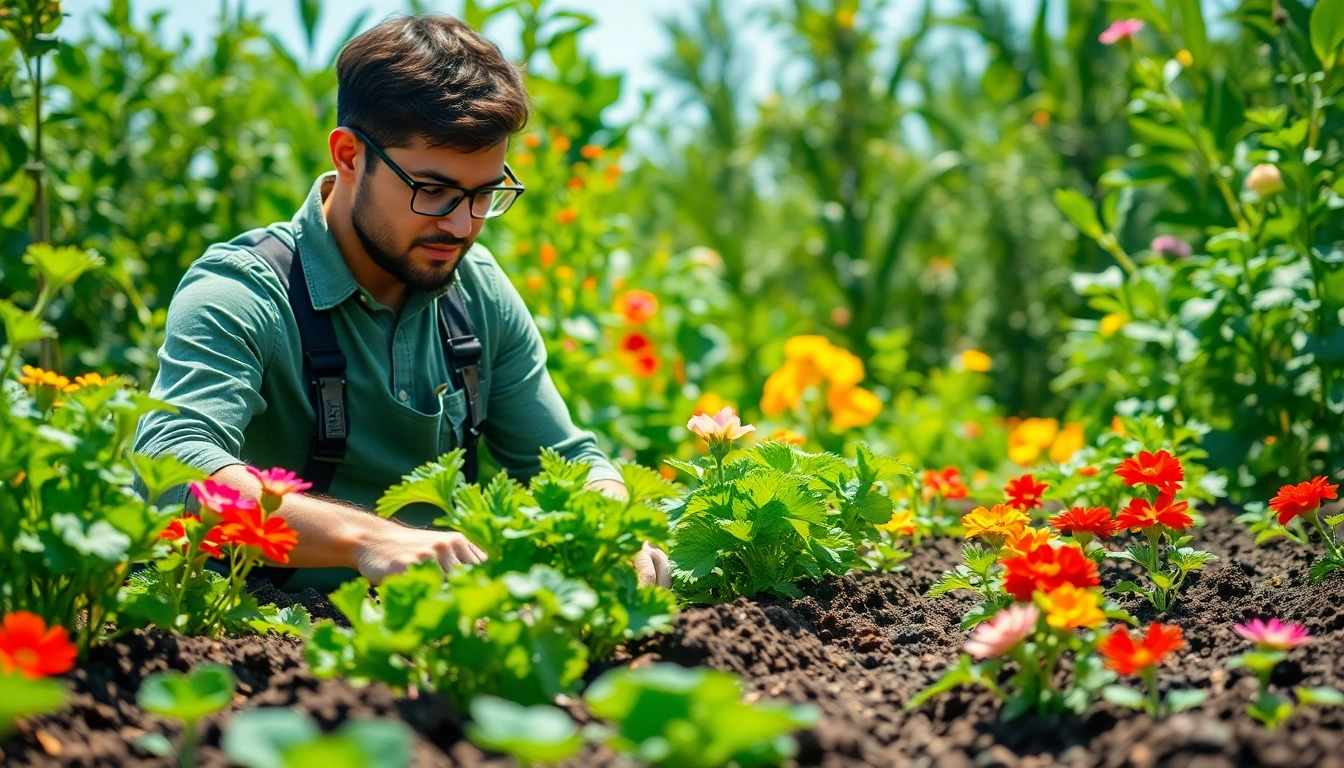
Understanding the Basics of Gardening
What is Gardening?
Gardening is the art and practice of cultivating plants for food, beauty, or therapeutic purposes. It involves the nurturing of flowers, vegetables, herbs, and fruits, creating a harmonious relationship between the grower and the natural environment. Whether one chooses to garden for aesthetic reasons or to produce home-grown food, this practice is universally appreciated for its ability to connect individuals with nature. Embracing Gardening can lead to not just physical rewards, but also emotional and environmental benefits.
The Benefits of Gardening
Engaging in gardening provides numerous benefits that enhance overall well-being. Firstly, it is a source of physical activity that promotes cardiovascular health and improves physical strength. Regular gardening work can burn calories, improve flexibility, and strengthen muscles, acting as an effective form of exercise. Secondly, gardening has proven psychological benefits. Research suggests that spending time in green spaces can reduce stress, anxiety, and depression, as it encourages mindfulness and meditation through the act of nurturing plants.
Furthermore, gardening has environmental advantages. It fosters biodiversity, helps manage soil health, and reduces carbon footprints through local food production. By creating a garden, individuals contribute to natural habitats, supporting pollinators and local wildlife.
Choosing the Right Gardening Method
New gardeners should consider various gardening methods based on their preferences, space availability, and growing conditions. One popular choice is traditional in-ground gardening, which allows for expansive plantings. Container gardening is another excellent option, especially for those with limited space. It enables people to grow vegetables and flowers on patios or balconies, providing flexibility and control over soil quality.
For environmentally conscious individuals, organic gardening emphasizes natural growing methods, avoiding synthetic fertilizers and pesticides. Hydroponic and aquaponic systems offer additional innovative techniques, utilizing water and nutrient-rich solutions to grow plants without soil, making them suitable for indoor spaces or regions with poor soil quality.
Planning Your Garden
Site Selection and Preparation
The success of any garden begins with proper site selection. Key considerations include sunlight exposure, accessibility, and proximity to water sources. Most vegetable and flower plants require a minimum of six hours of direct sunlight daily; thus, choosing a location with ample sunlight is crucial. Once an area has been selected, proper site preparation involves clearing debris, tilling the soil, and defining the garden's layout.
Soil Types and Amendments for Gardening
Understanding soil types is fundamental to successful gardening. Soil is typically classified into three main types: sandy, clay, and loamy. Sandy soils drain quickly but may lack nutrients; clay soils retain moisture but can be difficult to cultivate. Loamy soils combine the best features of both, providing a balanced structure suitable for most plants.
Improving soil quality often involves amending it with organic matter such as compost, which enhances nutrient availability and soil structure. Testing the soil pH is also important, as most plants thrive in slightly acidic to neutral pH levels (6.0 to 7.0).
Designing Your Garden Layout
Designing a garden layout requires careful planning to optimize growth and aesthetics. Start by sketching a garden plan, considering plant height, color, and growth habits. Taller plants should be placed at the back of beds to prevent shading shorter plants. Additionally, creating pathways can improve access and make maintenance easier. Grouping compatible plants can also enhance overall health and yield, as certain species can benefit from each other through pest reduction and nutrient sharing.
Plant Selection and Care
Choosing the Right Plants for Your Climate
Understanding local climate and hardiness zones is crucial when selecting plants for your garden. USDA hardiness zones provide a guide based on average annual minimum temperatures, helping gardeners choose plants that can thrive in their region. While local nurseries are great resources for choosing climate-appropriate species, researching native plants can further promote biodiversity and resilience in your yard.
Advanced Techniques for Plant Care
Once plants are in the ground, proper care is essential to ensure healthy growth. Key techniques include regular watering, fertilization, and pest management. Implementing a consistent watering schedule, particularly during dry spells, will encourage root establishment and growth. As for fertilization, using organic options such as compost or natural fertilizers can supply essential nutrients without harming the ecosystem.
Additionally, learning to recognize and manage common pests and diseases is vital. Integrated pest management (IPM) strategies focus on prevention and natural solutions, such as introducing beneficial insects or utilizing companion planting techniques.
Common Gardening Mistakes to Avoid
Many gardeners, both novice and experienced, encounter common mistakes that can hinder success. Over-watering and under-watering plants, neglecting soil health, or failing to rotate crops can result in poor yields. It is crucial to monitor plants closely, learning to recognize signs of distress and adjusting care routines accordingly. Additionally, avoiding overcrowding and selecting plants based on their growth requirements can significantly improve garden outcomes.
Tools and Resources for Gardening
Essential Gardening Tools for Beginners
A well-equipped gardener should have a basic toolset that includes items like a trowel, pruners, a watering can, and a garden fork. Each tool serves specific tasks, from digging and planting to trimming and harvesting. Investing in quality tools can enhance efficiency and make gardening more enjoyable.
Gardening Supplies You Can't Live Without
Beyond tools, there are essential supplies every gardener should consider. Good-quality soil, mulch for moisture retention, and effective pest controls are vital components of successful gardening. Additionally, support structures like trellises can aid climbing plants, while containers are essential for container gardening. Having a reliable compost bin also allows for sustainable waste management and enhanced soil fertility.
Online Resources and Communities for Gardeners
Utilizing online resources can be highly beneficial for gardeners seeking knowledge or community support. Platforms such as gardening forums, instructional videos, and social media groups provide education and an avenue for shared experiences. Local gardening clubs can also offer workshops, events, and networking opportunities, enhancing gardening skills through collaboration and community interaction.
Seasonal Gardening Strategies
Spring Planting Tips and Best Practices
Spring is a tremendous time for planting, as temperatures warm up and the frost subsides. It’s essential to prepare the soil early, allowing it to warm and stabilize. Consider starting seeds indoors for faster germination or directly sowing cool-weather crops like lettuce and peas outdoors. Careful attention to weather patterns can also guide planting times, ensuring plants aren't exposed to unexpected late frosts.
Summer Gardening Maintenance
As plants grow, consistent maintenance becomes vital. Regular watering during hot spells, prompt weeding, and timely harvests ensure plants don't become stressed or diseased. Mulching can help retain moisture and suppress weeds, proving invaluable in the hot summer months. Utilizing shading techniques for sensitive plants can also prevent sunburn and stress.
Preparing Your Garden for Winter
As the season changes, preparing the garden for winter is crucial to ensure future productivity. This involves cleaning up debris, which can harbor pests and diseases. Planting cover crops can improve soil health during the off-season, as they prevent erosion and add nutrients when tilled back into the ground. Additionally, mulching and protecting perennial plants can help them survive through cold months, ready to thrive once spring returns.