Understanding Home Renovation Goals
Embarking on a Home renovation project can be both an exciting and daunting journey. Whether you're looking to update your living space, improve functionality, or increase your home's value, having a clear understanding of your renovation goals is crucial. This section breaks down the essential components of defining your renovation objectives and aligning them with your vision.
Defining Your Project Scope
Defining the scope of your home renovation project is the first step towards success. The project scope encompasses the specific renovations you intend to undertake, which can range from minor updates, like new fixtures and paint, to major overhauls, such as complete kitchen remodels or room additions. Start by creating a list of all the areas in your home that need improvement. It's beneficial to categorize these areas into essential updates and optional enhancements. This approach will help you prioritize what needs to be accomplished first.
Determining Budget Constraints
Once you've defined your project scope, the next step is to establish a realistic budget. Assess your financial situation and set a budget that allows for flexibility. According to remodeling experts, it's advisable to allocate approximately 10-20% of your total budget for unexpected expenses. Evaluate your funding options, whether through savings, loans, or home equity, carefully analyzing any long-term financial impacts. Remember that certain renovations can provide greater returns on investment than others, influencing how you allocate your funds.
Identifying Desired Outcomes
Having clear outcomes is vital when planning a home renovation. Consider what you hope to achieve with each project area. Are you looking to increase space, improve aesthetics, or enhance energy efficiency? It can be helpful to gather inspiration from design magazines, websites, or home improvement shows. Create a vision board to visualize your goals and ensure that your renovation aligns with your expectations. This process will not only motivate you but also serve as a reference point throughout your project.
Planning Your Home Renovation
With clear goals established, the planning phase of your home renovation can commence. This critical stage encompasses timelines, professional assistance, and necessary permits, ensuring that you are well-prepared for the upcoming changes to your space.
Creating a Realistic Timeline
Establishing a timeline for your renovation can offer a roadmap for managing your project. Factors to consider include the complexity of renovations, potential delays caused by weather or supply shortages, and contractor availability. Break the timeline into phases: planning, preparation, execution, and completion. Each phase should have specific goals and deadlines. Utilizing project management tools or apps can facilitate scheduling and keep you organized throughout the process.
Hiring the Right Professionals
Choosing the right professionals for your renovation can make a significant difference in the overall experience and outcome of your project. Research local contractors, architects, and designers, looking for those with experience in your specific type of renovation. For major projects, consider obtaining multiple quotes to gauge pricing and service levels. Client reviews and portfolios can offer insights into a professional’s reliability and quality of work. Ensure you ask potential hires about licensing, insurance, and warranties to further secure your investment.
Gathering Permits and Approvals
Before starting any renovation, it's crucial to research and acquire the necessary permits and approvals from local authorities. Various projects such as structural changes, electrical and plumbing work may require specific permits to ensure compliance with safety regulations. Failing to secure these permits can lead to project delays and fines. Consulting with your contractor or a local building authority can provide guidance on the permitting process and help avoid legal complications down the line.
Implementing Home Renovation Design Ideas
Now that you have your plans in place, it’s time to implement design ideas that will enhance both functionality and architectural beauty through your renovations. Innovation in design not only meets the practical needs of your home but can create stunning visual corridors that reflect your personality.
Choosing Functional Layouts
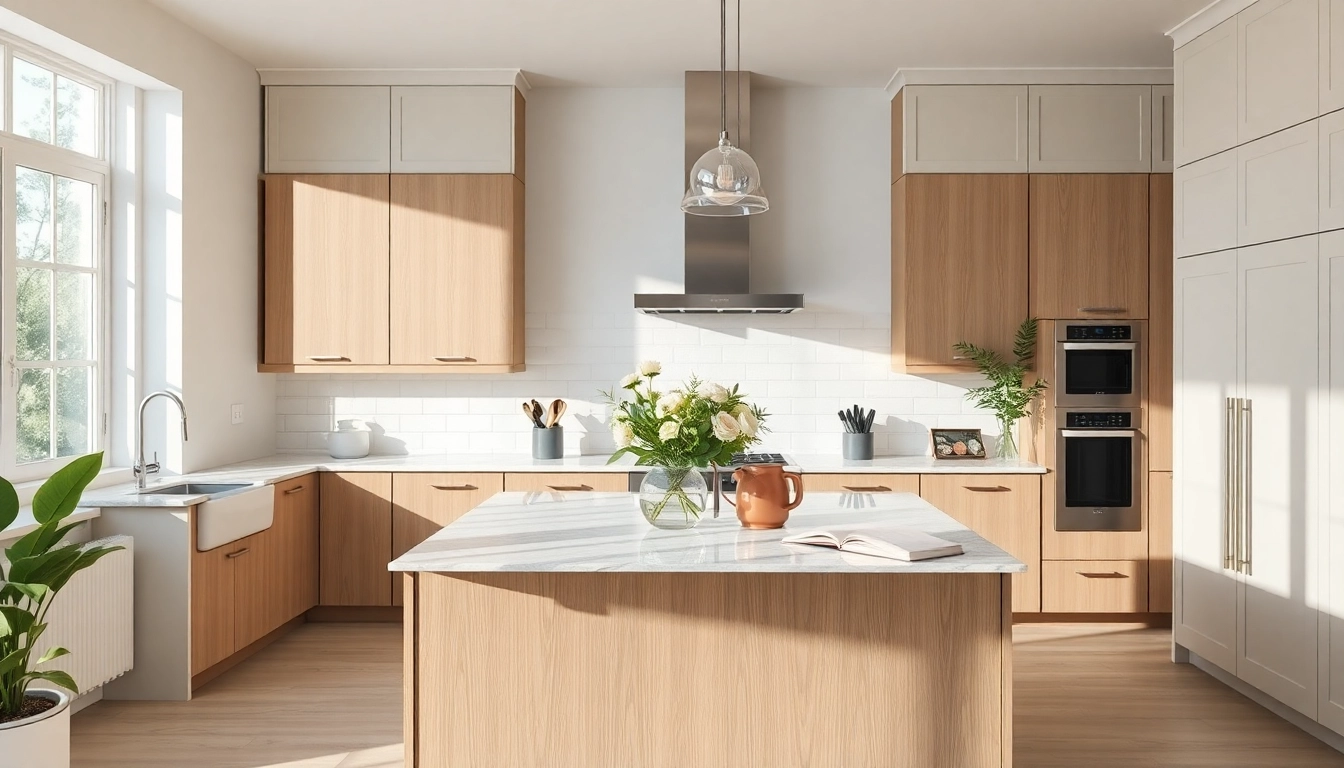
The layout of your space is a crucial element of effective renovation design. A functional layout ensures that the space flows well and serves its intended purpose efficiently. For instance, in kitchen renovations, rethinking the 'work triangle' concept (the distance between the stove, sink, and refrigerator) can optimize meal preparation. Collaborate with your designer to visualize how various aspects of your home interplay and adjust layouts to foster communication and convenience among spaces.
Incorporating Latest Trends
Staying informed about the latest trends in interior and exterior design can inspire innovative ideas for your renovation. Some popular trends include open-concept living spaces, eco-friendly materials, and smart home technology. While it's essential to blend current trends with timeless designs, ensure that your choices resonate with your personal style and contribute to the value of your home.
Utilizing Space Efficiently
Efficient space utilization is one of the most significant advantages of a home renovation. In smaller homes, creative storage solutions, such as built-in shelving or multifunctional furniture, can maximize space while improving aesthetics. In larger homes, consideration should be given to underutilized areas, like basements or attics, which can be transformed into functional living space. Implementing innovative design solutions, such as sliding doors or fold-out furniture, can also help optimize the layout.
Managing the Home Renovation Process
Successful implementation of your renovation requires diligent management of the process. This includes effective communication with contractors, addressing any disruptions or delays, and maintaining oversight of the project's progress and quality.
Communication with Contractors
Establishing good communication with your contractors is paramount to ensuring a smooth renovation process. Regular check-ins can help claim responsibilities, verify schedules, and address any ongoing issues promptly. Using project management platforms can enhance transparency, allowing you to see timelines, tasks, and updates efficiently. When misunderstandings arise, a collaborative approach to problem-solving will foster positive working relationships and achieve your project objectives.
Handling Disruptions and Delays
Renovations can often encounter unforeseen interruptions, from supply chain delays to sudden structural issues. Maintaining flexibility within your project timeline and budget is essential to navigate these disruptions. Whenever issues arise, work closely with your contractor to explore solutions while continuing to prioritize core renovation goals. Embracing adaptability not only minimizes stress but also keeps the project moving forward, even amidst unanticipated challenges.
Monitoring Progress and Quality
Monitoring the progress and quality of your renovation plays a crucial role in safeguarding your investment. Regular inspections will ensure that work is performed according to industry standards and design specifications. Create a checklist of completion criteria for various stages of the project so you can systematically evaluate progress. Engaging a third-party inspector for significant work, such as electrical or plumbing installations, can also provide an unbiased assessment of quality.
Maximizing Value in Home Renovation
Ultimately, the goal of your home renovation project should be to maximize both immediate comfort and long-term value. Implementing smart investments, enhancing curb appeal, and considering future needs can significantly influence your renovation returns.
Making Smart Investment Choices
Investing thoughtfully in your renovation can enhance your home’s value. Projects like kitchen upgrades, bathroom remodels, and adding energy-efficient windows typically yield high returns. Research trends in your local housing market to identify which renovations are desirable among potential buyers. Always weigh the benefits of more expensive choices against your budget and the expected return on investment.
Enhancing Curb Appeal
Curb appeal plays a significant role in a home's marketability and overall value. Simple enhancements, such as new siding, updated landscaping, or a freshly painted front door, can create striking first impressions. Focus on maintaining a cohesive aesthetic through exterior updates, ensuring that your home stands out while harmonizing with the neighborhood’s style. High-quality, thoughtful exterior renovations can drastically improve your home’s image and its attractiveness to prospective buyers.
Future-Proofing Your Renovations
Future-proofing your home through renovation can provide long-term benefits as lifestyles and market demands change. Anticipate adjustments that might be necessary as families grow or technology progresses. Incorporating sustainable materials and versatile designs can ensure longevity. Consider features like universal design to accommodate aging in place or adaptable work-from-home spaces that can evolve with changing needs.