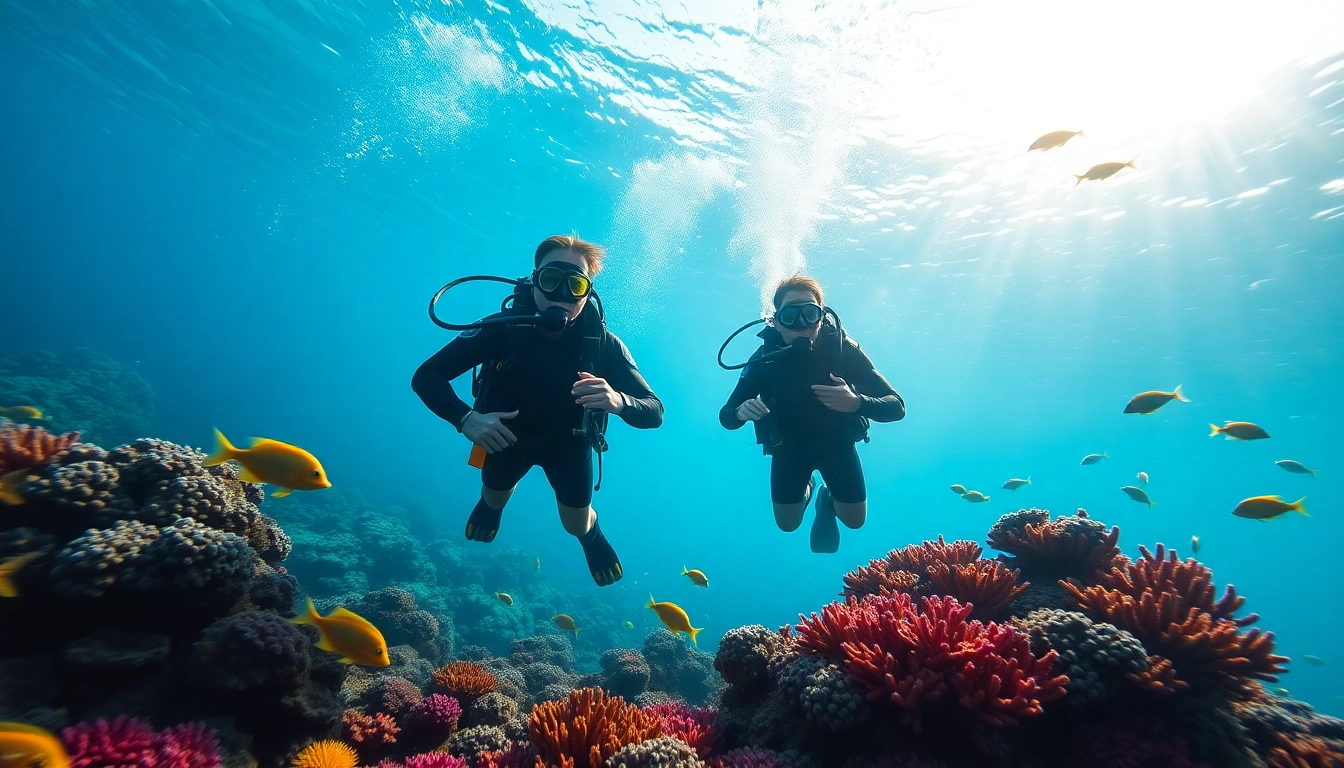
I. Understanding Scuba Diving Basics
Scuba diving is an exciting adventure that opens up an underwater world filled with vibrant marine life and stunning landscapes. For those new to the sport, it’s essential to grasp the fundamentals to ensure safety and enjoyment. Whether you're considering a diving vacation or simply exploring a new hobby, understanding scuba diving basics will serve you well.
1. What is Scuba Diving?
Scuba diving is a mode of underwater diving where a diver uses a self-contained underwater breathing apparatus (scuba) to breathe underwater. Unlike free diving, which relies solely on holding one’s breath, scuba diving allows for extended underwater exploration. Divers have tanks of compressed air attached to a regulator, enabling them to breathe while submerged.
2. Essential Equipment for Beginners
For aspiring divers, familiarizing yourself with the basic scuba equipment is crucial. Here are the primary items every beginner should consider:
- Mask: Essential for clear vision underwater, many beginners opt for a silicone skirt for comfort and a tempered glass lens for durability.
- Snorkel: Allows for breathing on the surface without lifting the head, a useful tool for novices.
- Fins: Enhance movement efficiency and ease in the water.
- Wetsuit or Dry Suit: Depending on water temperature, divers protect themselves from cold water; wetsuits allow some water in that warms against the skin, while dry suits keep water out entirely.
- BCD (Buoyancy Control Device): This device helps divers manage their buoyancy, making it easier to float while on the surface or hover underwater.
- Regulator: A vital piece that controls the air flow from the tank to the diver.
- Tank: Holds the compressed air for breathing; standard tanks come in various sizes.
3. Safety Protocols Every Diver Should Know
Safety is paramount when it comes to scuba diving. Here are essential safety protocols every diver should adhere to:
- Pre-Dive Checks: Always conduct a thorough gear check before entering the water, checking for leaks and function.
- Buddy System: Diving with a partner is critical for safety; always ensure your buddy is within reach.
- Equalization: Make sure to equalize your ears during descent to prevent barotrauma.
- Controlled Ascent: Ascend slowly, generally no faster than 30 feet per minute, to avoid decompression sickness.
- Emergency Procedures: Know how to respond to potential emergencies; practice these skills regularly.
II. Benefits of Scuba Diving
Scuba diving is not only an adventurous activity but also comes with numerous benefits that extend beyond simply enjoying the underwater beauty.
1. Health Benefits of Diving
Diving can significantly enhance physical and mental well-being. Engaging in this sport provides cardiovascular benefits through increased heart rate and improved circulation as divers swim against currents. Additionally, the weightlessness underwater is therapeutic, often easing stress and anxiety levels.
2. Environmental Awareness and Conservation
Scuba diving fosters a stronger connection to marine environments. Experienced divers often advocate for underwater conservation, helping to protect coral reefs and marine habitats. Many diving organizations promote eco-friendly practices, ensuring that divers recognize the impacts of their activities on delicate ecosystems.
3. Building Community Through Diving
Scuba diving connects individuals from diverse backgrounds, creating a community of enthusiasts who share a common passion. Whether through local dive clubs, online forums, or expedition trips, divers build friendships that transcend geographical barriers while fostering a sense of belonging.
III. Best Scuba Diving Destinations
The world is filled with astonishing spots perfect for scuba diving, each offering unique experiences that cater to various skill levels. Here are some of the top destinations to consider:
1. Top Coral Reefs to Explore
Coral reefs are among the most vibrant ecosystems on the planet, attractive to divers of all experience levels. Among the renowned dive spots:
- The Great Barrier Reef, Australia: The largest coral reef system, boasting over 900 islands and 2,900 individual reefs, making it a diving paradise.
- Palau: Known for its crystal-clear waters and stunning marine biodiversity, it offers some of the richest coral reef systems.
- Bonaire: This Dutch Caribbean island is recognized for its easy shore diving, making it a favorite for divers seeking diverse marine life.
2. Shipwrecks and Historical Sites
Exploring underwater wrecks offers divers a glimpse into history while providing unique diving challenges:
- The USS Oriskany, Florida: The largest artificial reef in the world, this aircraft carrier sank in 2006 and is now a thriving habitat for marine life.
- The Thistlegorm, Egypt: This WWII cargo ship lies in the Red Sea, and its holds are filled with military supplies and vehicles.
- The Andrea Doria, USA: Known as the “Mount Everest of shipwrecks,” this Italian liner presents challenges and rewards for experienced divers.
3. Unique Marine Life Experiences
Diving is also an opportunity to see marine life in its natural habitat. Famous spots for unique experiences include:
- The Galapagos Islands: Renowned for their biodiversity, divers often encounter unique species such as marine iguanas and hammerhead sharks.
- Cocos Island, Costa Rica: Known for large schools of fish and pelagic encounters, notably with sharks and rays.
- Komodo National Park, Indonesia: Famous for its diverse marine life and the chance to see the formidable Komodo dragon on land.
IV. Advanced Diving Techniques
For those looking to enhance their diving skills, mastering advanced techniques is essential. These skills not only promote safety but also allow for deeper exploration.
1. Deep Diving and Technical Skills
Deep diving requires additional training and safety precautions. Divers must understand the physiology of diving, including narcosis and oxygen toxicity. Key skills include:
- Proper gas management, including the use of multiple gas mixes for different depths.
- Emergency ascent procedures, such as deploying an SMB (Surface Marker Buoy) while ascending.
- Understanding dive tables and dive computers for planning and monitoring dives.
2. Night Diving Safety and Procedures
Night diving offers a different perspective of the underwater world. To ensure safety, divers should:
- Use a reliable dive light and backup light to navigate and communicate.
- Always dive with a buddy; conduct pre-dive checks together.
- Be aware of nocturnal marine life, as behaviors and visibility change at night.
3. Decompression and Emergency Management
Understanding decompression is crucial for divers who explore deeper. Familiarity with decompression sickness, or ‘the bends,’ and its prevention is key:
- Plan dives to avoid exceeding recommended depth and time limits.
- Utilize safety stops on ascent to allow nitrogen to be released from tissues.
- Be equipped to manage diving emergencies, including signaling for help or administering first aid.
V. Planning Your Dive Adventure
Effective dive planning is critical for successful and enjoyable underwater experiences. For those ready to embark on a diving journey, these steps can help streamline the process.
1. Choosing the Right Scuba School
Selecting a certified scuba school is one of the most important decisions for new divers. Look for schools that:
- Are affiliated with recognized organizations like PADI or NAUI.
- Offer comprehensive courses that include theory, skill practice, and ocean dives.
- Have positive reviews from former students and a good safety record.
2. Preparing for Your Diving Trip
Pre-trip preparation can significantly influence your overall experience. Consider the following:
- Get a health check, especially if you have pre-existing conditions that could affect diving.
- Review your equipment, ensuring everything is functioning optimally.
- Pack appropriate clothing and gear for the environment you’ll be diving in.
3. What to Expect on Your First Dive
Your first dive is an exciting milestone! Here’s what you can typically expect:
- Familiarization with equipment and pre-dive checks.
- An emphasis on buoyancy control and proper descent techniques.
- Encounters with colorful fish and possibly coral formations, depending on the dive site.
As you embark on your diving journey, remember to respect the underwater environment, follow best practices, and stay curious. For more information on diving expeditions and community engagement, visit https://marvinscubaexpeditions.com. Whether you’re a beginner or looking to advance your skills, the world beneath the waves awaits you.